Food Intelligence · Ingredients
Ingredients
Additives, oils, sweeteners & what they mean
Basics
Nutrition labels, macros, calories & more
Ingredients
Additives, oils, sweeteners & what they mean
Health Conditions
Diabetes, heart health, fatty liver & more
Food Choices
Compare foods, brands & make better swaps
Kids & Family
Family nutrition, portion guidance & healthy habits
Kitchen & Cooking
Cooking tips, methods, nutrient retention & more
25 articles
Matched to this category
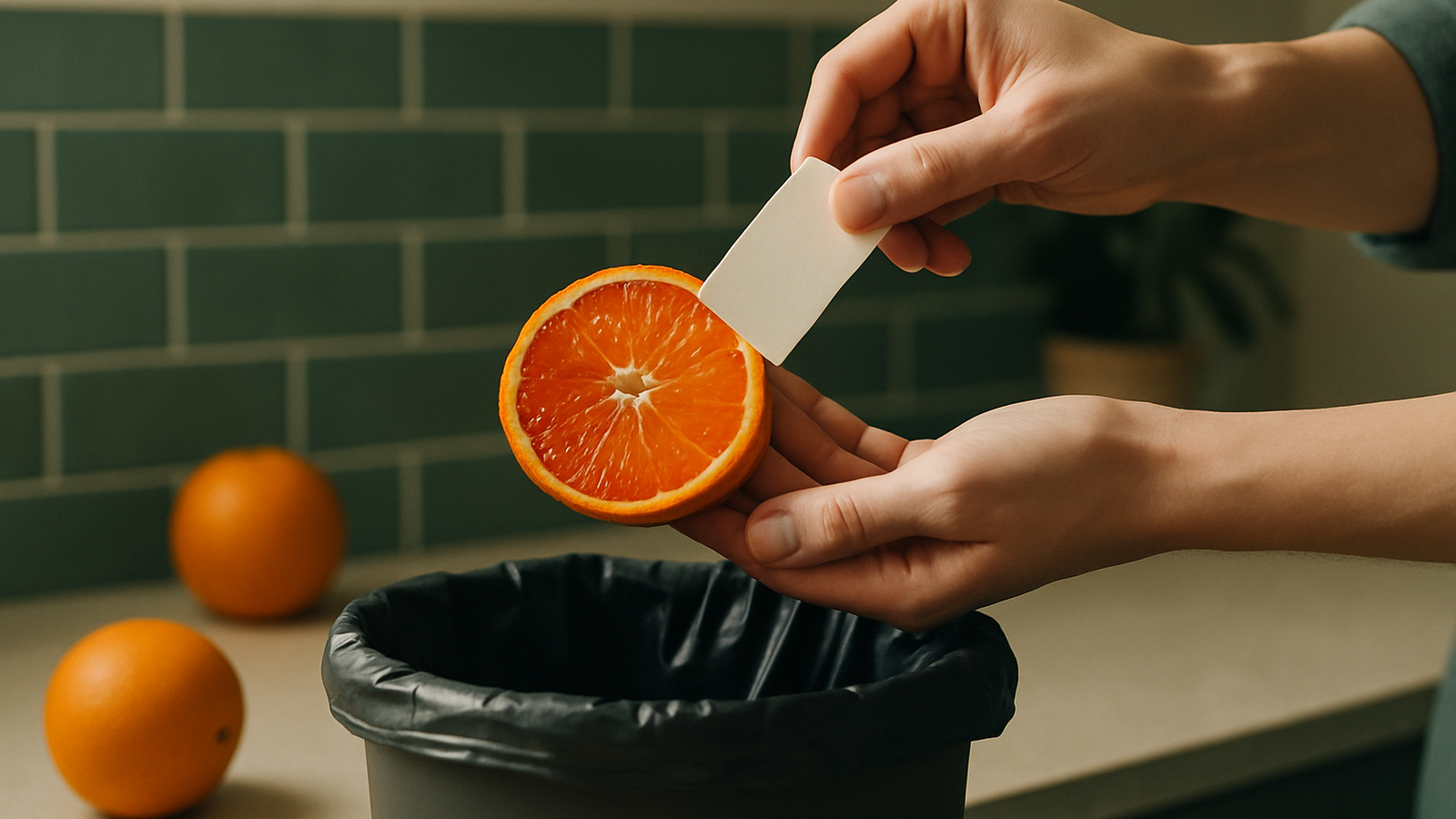 Regulatory Update
FDA revokes Orange B, proposes end for Citrus Red No. 2
The FDA revoked Orange B and proposed removing Citrus Red No. 2, two petroleum-based color additives rarely used in food. No pantry check needed.
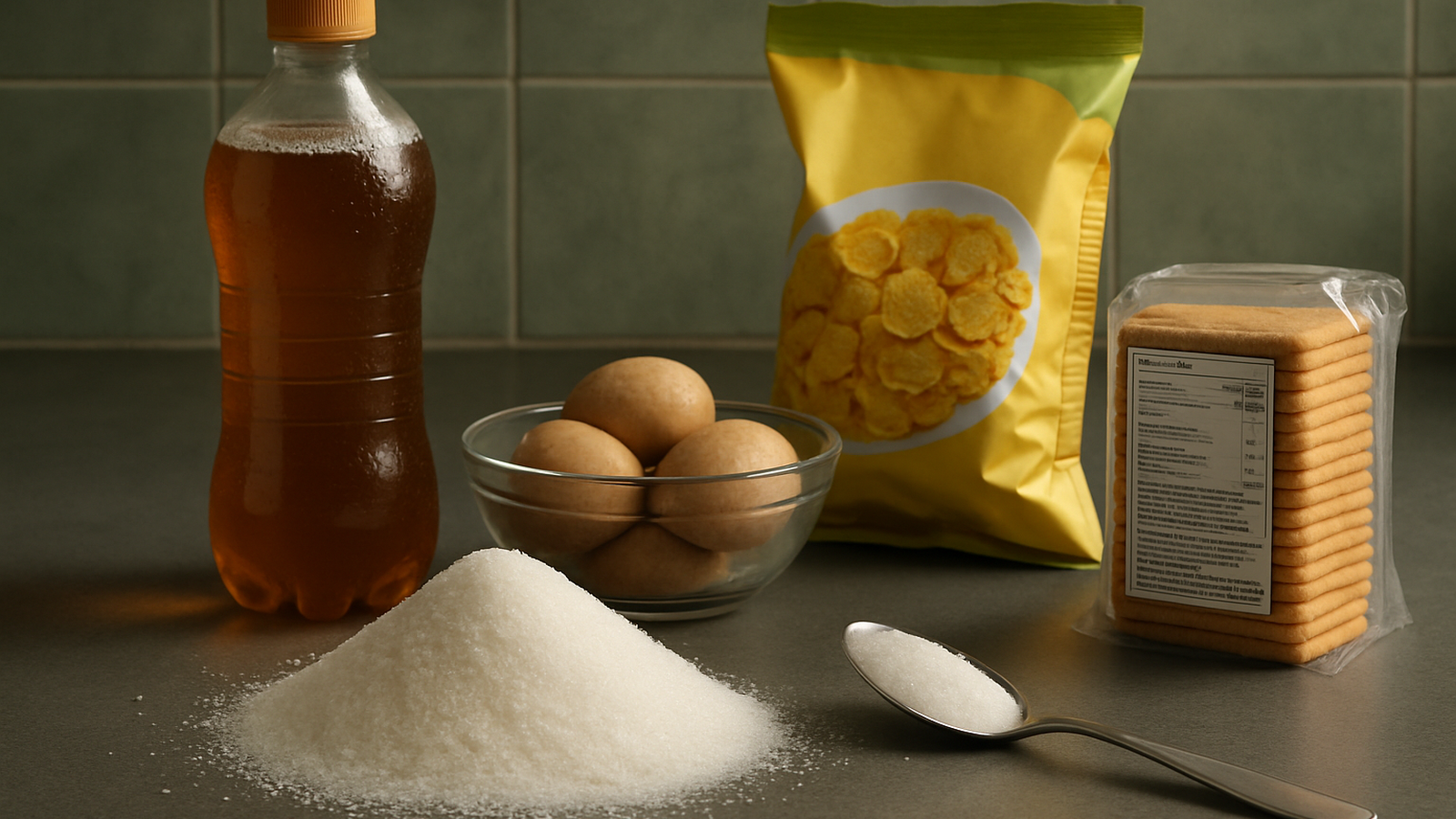 Consumer Explainer
How much sugar sits in a typical Indian day—and where to find it on packs
Learn to read ingredient lists, nutrition panels, and serving sizes to track added sugar in biscuits, chai, sauces, and snacks against WHO free-sugar
 Regulatory Update
Parliamentary panel wants sugar labels on packs—here's what exists today
A parliamentary panel in India has recommended front-of-pack sugar labels, but no regulator has set a timeline or format. Here's how to read sugar content on
 Regulatory Update
FSSAI bans 'energy drink' label—companies have 90 days
FSSAI ordered Pepsi, Red Bull, and Monster to remove 'energy drink' labels within 90 days, but has not disclosed the reasoning or alternative terms.
 Consumer Explainer
Photo calorie apps may undercount your meals—but details are thin
Photo-based calorie trackers may underestimate meal energy, but tested apps, sample sizes, and error margins remain unpublished. Here's what to check.
 Claim Check
Blood test for ultra-processed intake reported—without validation data
A news report claims a blood test can measure ultra-processed food intake, but no peer-reviewed study, biomarkers, or clinical access have been disclosed.
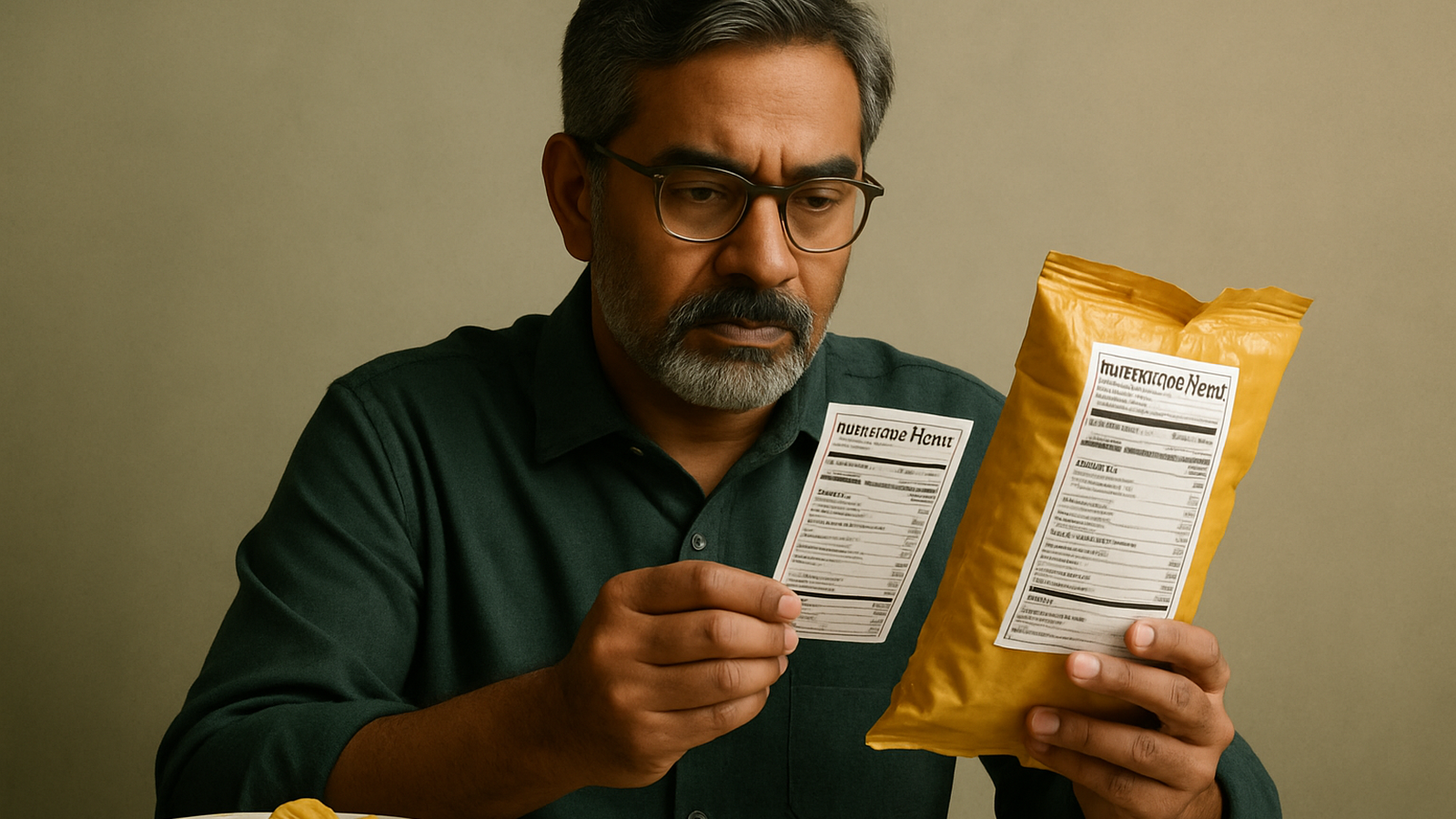 Label Decoder
Three label lines that show what's inside before marketing does
Learn to read ingredient order, the first three items, and the nutrition facts panel to verify what's inside packaged food—no app required.
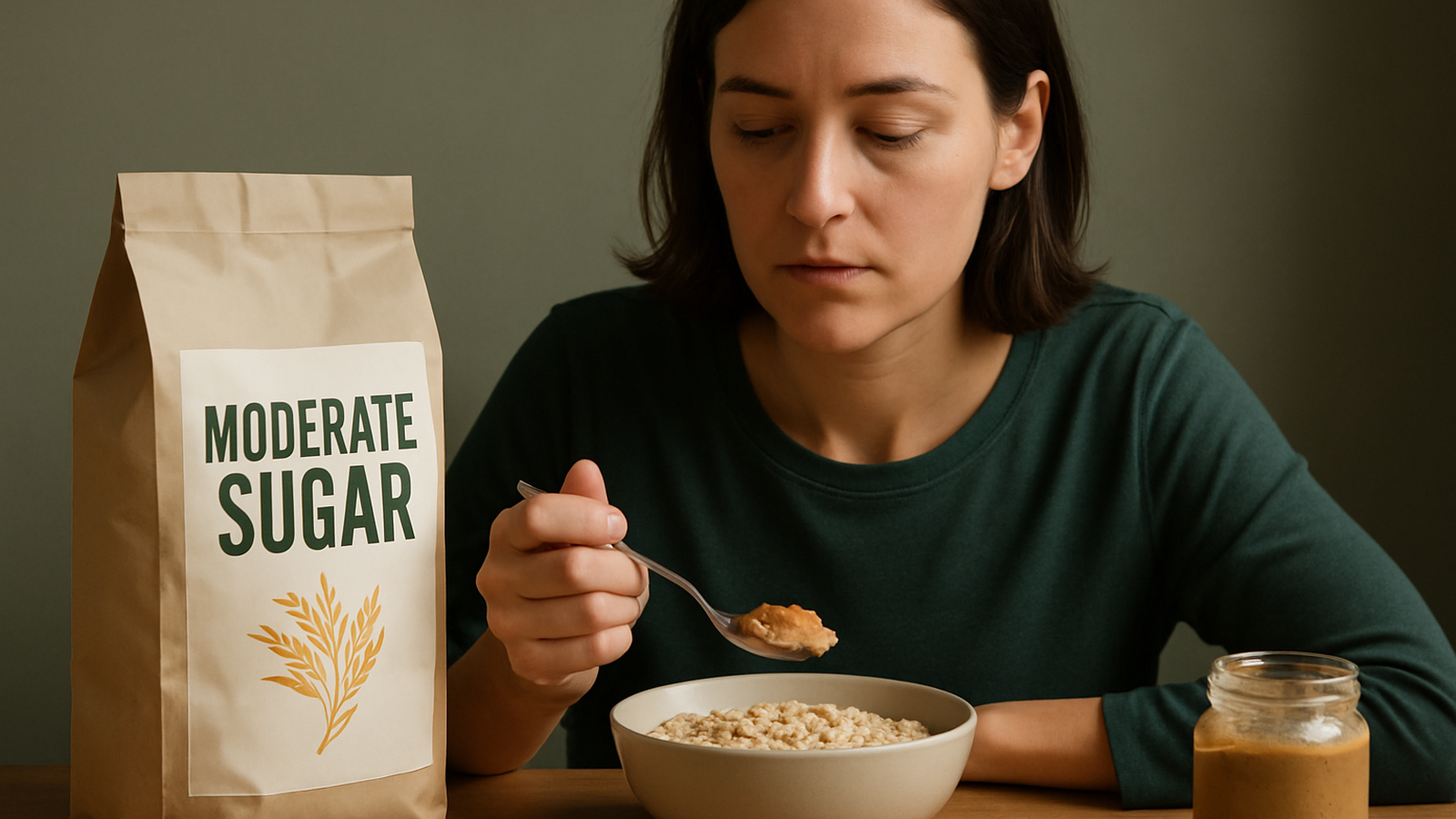 Label Decoder
No regulator defines 'moderate sugar' on your oatmeal pack
The term 'moderate sugar' on oatmeal packages has no regulatory definition. Learn which three nutrition label lines reveal added sugars, ingredient order
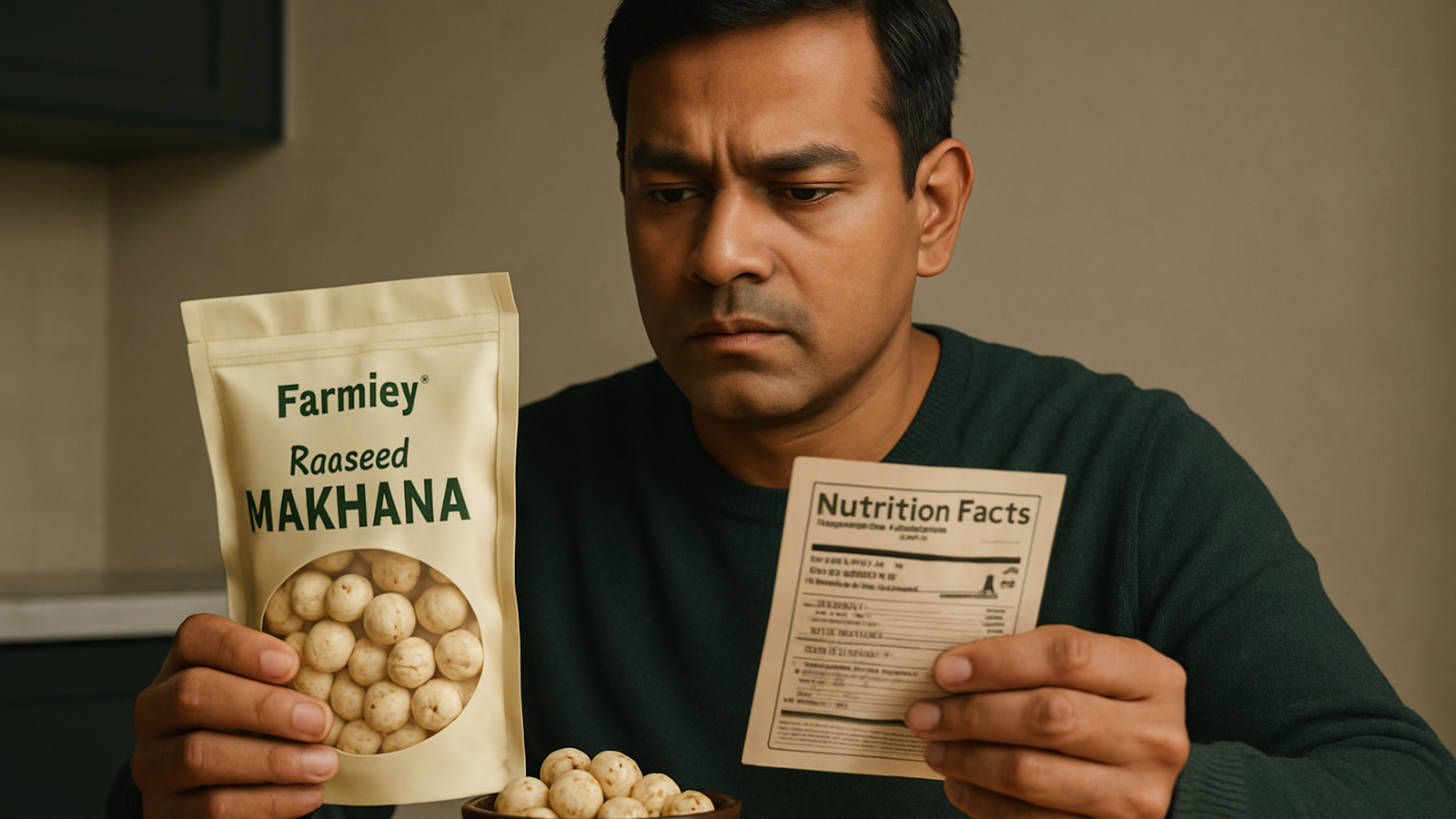 Label Decoder
Roasted makhana's sodium: what to check before you snack
Roasted makhana can carry more sodium than plain fox nuts. Learn to read serving size and sodium content on any snack pack before you buy.
 Regulatory Update
FSSAI issued notices to Ferrero, Marico, and 12 other brands for health claims
FSSAI issued notices to Ferrero, Marico, and 12+ brands for misleading health claims on paneer, spreads, and energy drinks. How to read your packs with the
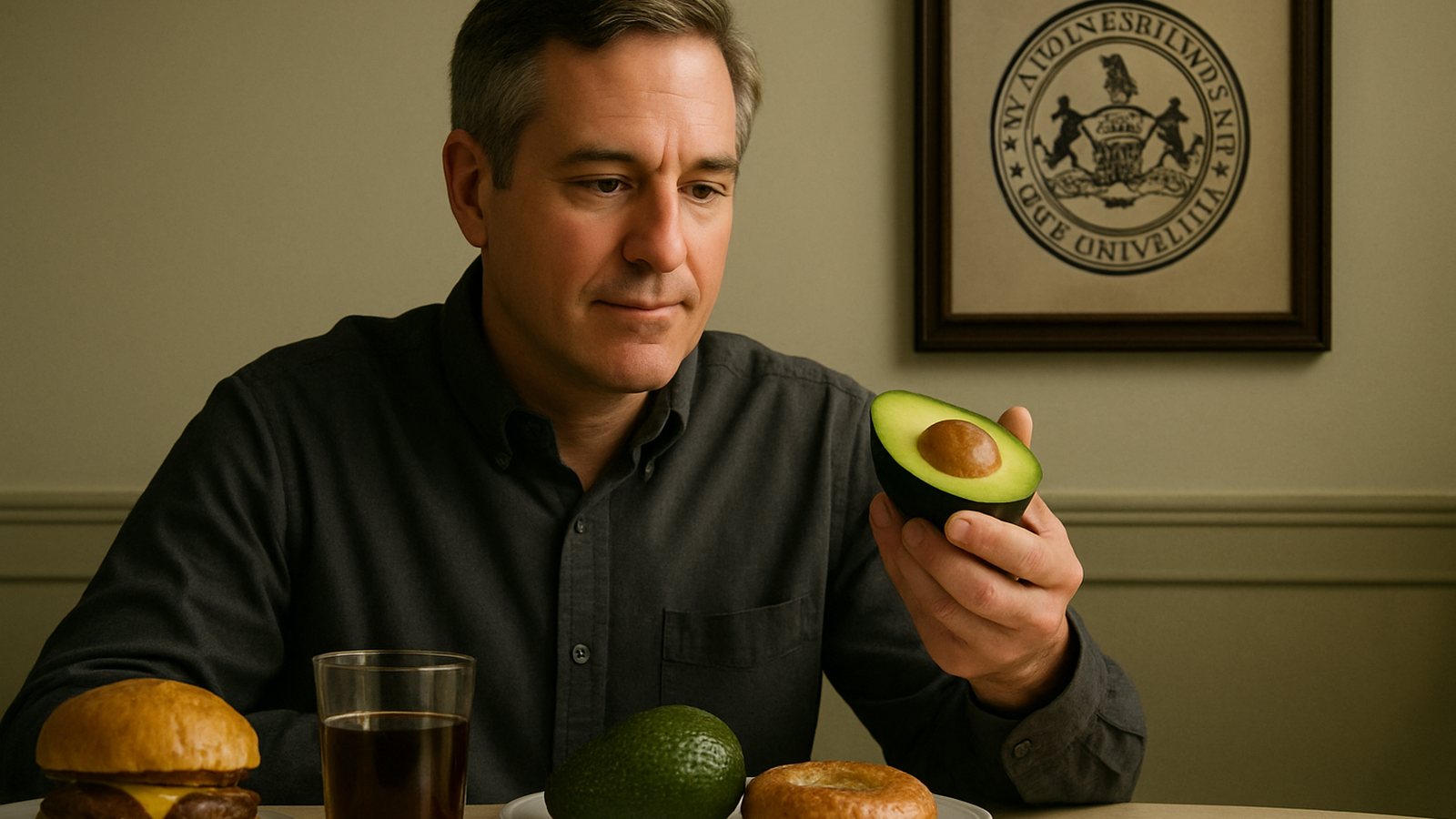 Research Explained
Adults with obesity saw cholesterol particle drop after daily avocado
Penn State study found adults with obesity who ate one avocado daily had lower oxidized LDL particles, but didn't measure heart disease outcomes or test
 Food Recall
PepsiCo recalls Doritos Chilli Heatwave for undeclared milk allergen
PepsiCo recalled Doritos Chilli Heatwave for undeclared milk allergen. If you have a dairy allergy, check your packs and return affected products immediately.
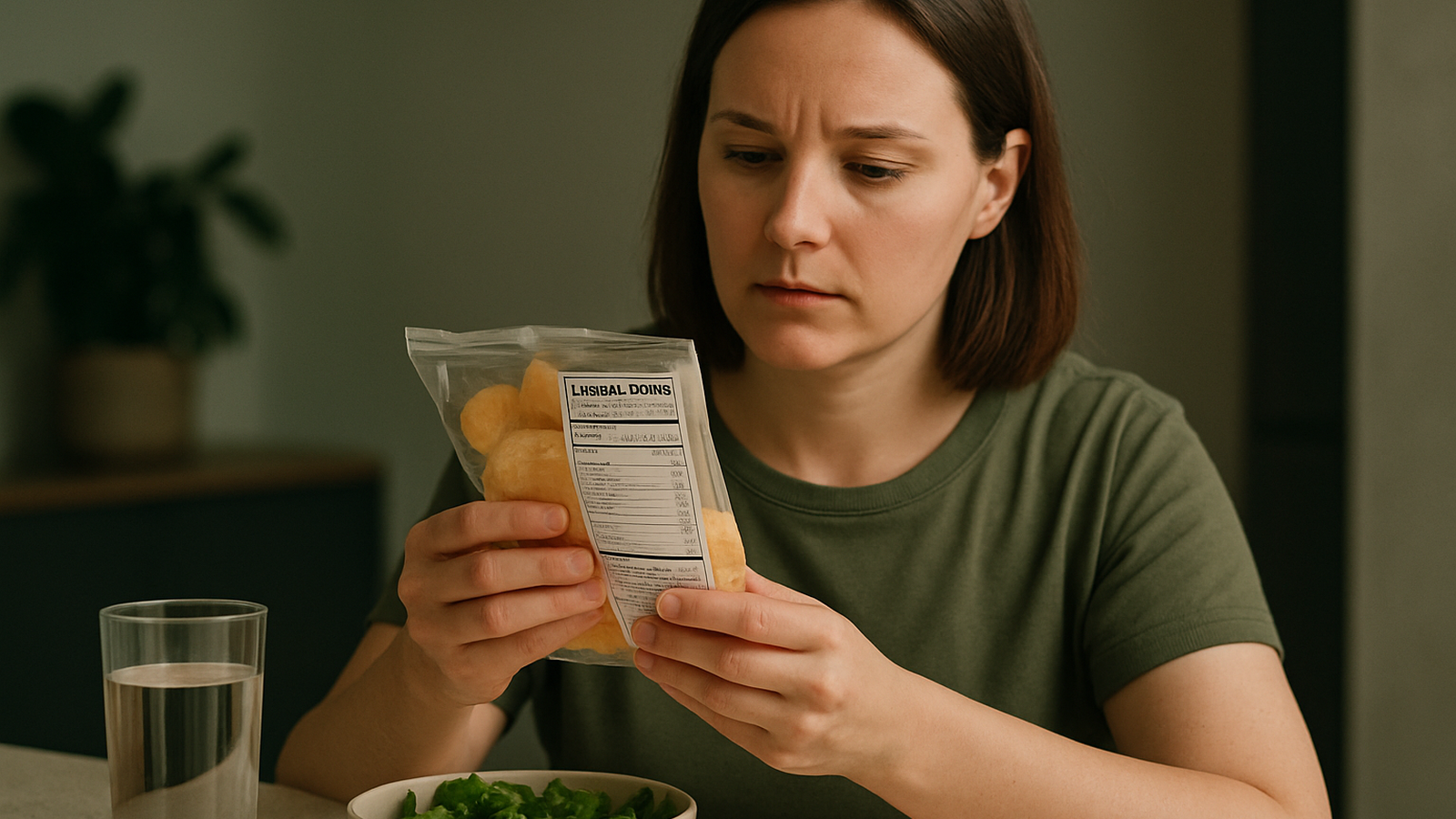 Consumer Explainer
Scientists debate ultraprocessed labels. Your cart needs none of it.
The Lancet sparked debate over ultraprocessed food classification, but CDC guidance on added sugars, sodium, and whole foods remains your verified action
 Label Decoder
FDA admits it cannot define 'ultraprocessed'—so check these lines instead
The FDA's acting food head says defining ultraprocessed foods is too complex, but three required label fields—ingredient order, additive count, and nutrient
 Research Explained
Lab study pins intestinal tumor growth on keto lipids, not ketone bodies
Study identifies lipids, not ketones, as driver of intestinal tumor growth in experimental models—but does not establish human cancer risk or change dietary
 Label Decoder
Label decoder: reading packs when “fat cat weight-loss drugs may be coming for” is the topic
A calm, useful read: teach one label habit that reduces marketing confusion.
 Meal Planning
What one week of high-protein, high-fiber meals can and cannot do
Seven-day high-protein, high-fiber meal plans offer recipe ideas and portion examples but cannot replace personalized advice or build lasting dietary habits.
 Consumer Explainer
Your protein powder tastes bland. Before you flavor it, check these label lines.
Before adding flavor drops or syrups to protein powder, check their ingredient lists for added sugars, artificial sweeteners, and undisclosed allergens.
 Claim Check
Intermittent fasting trades calorie logs for eating windows—but not better results
Intermittent fasting may be easier to maintain than calorie counting for some people, but research shows weight loss outcomes remain comparable to
 Label Decoder
FDA approves these sweeteners; WHO warns they're not diet solutions
FDA considers approved artificial sweeteners safe; WHO advises against them for weight loss. Learn to identify 12 sweetener names on ingredient panels.
 Claim Check
Sugar-substitute brain-aging study meets unchanged regulatory stance
FDA and WHO have not changed sweetener safety guidance after brain-aging headlines. The gap between one study and regulatory action explained.
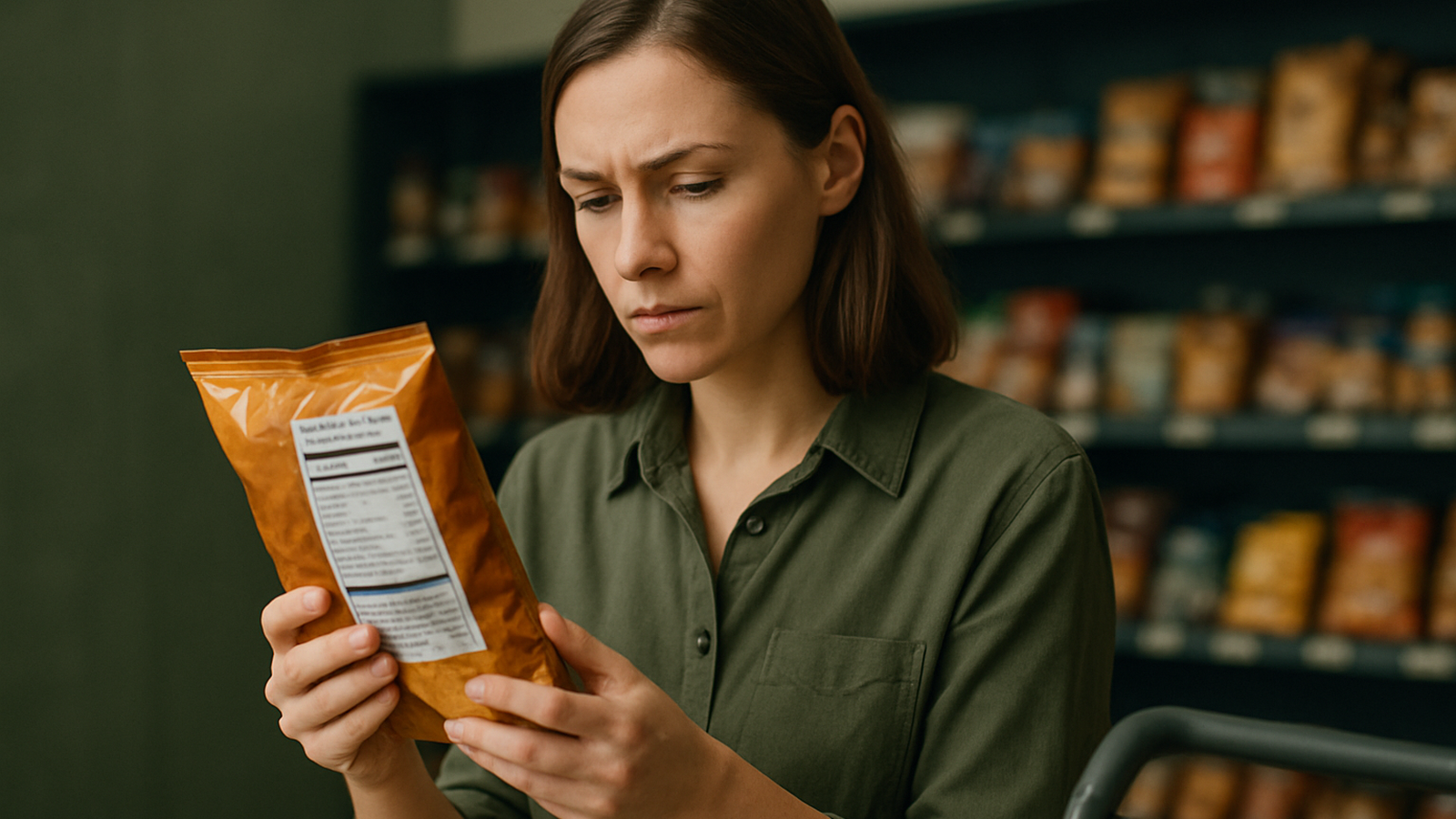 Claim Check
Can you be addicted to ultraprocessed food? Science hasn't settled that.
Studies explore ultraprocessed food addiction symptoms in adults and children, but no clinical diagnosis exists. Learn to identify these foods now.
 Claim Check
'Food noise' isn't a diagnosis—but the appetite circuits are real
'Food noise' has no clinical definition, but GLP-1 research confirms the appetite-regulating brain circuits behind persistent food thoughts are real and
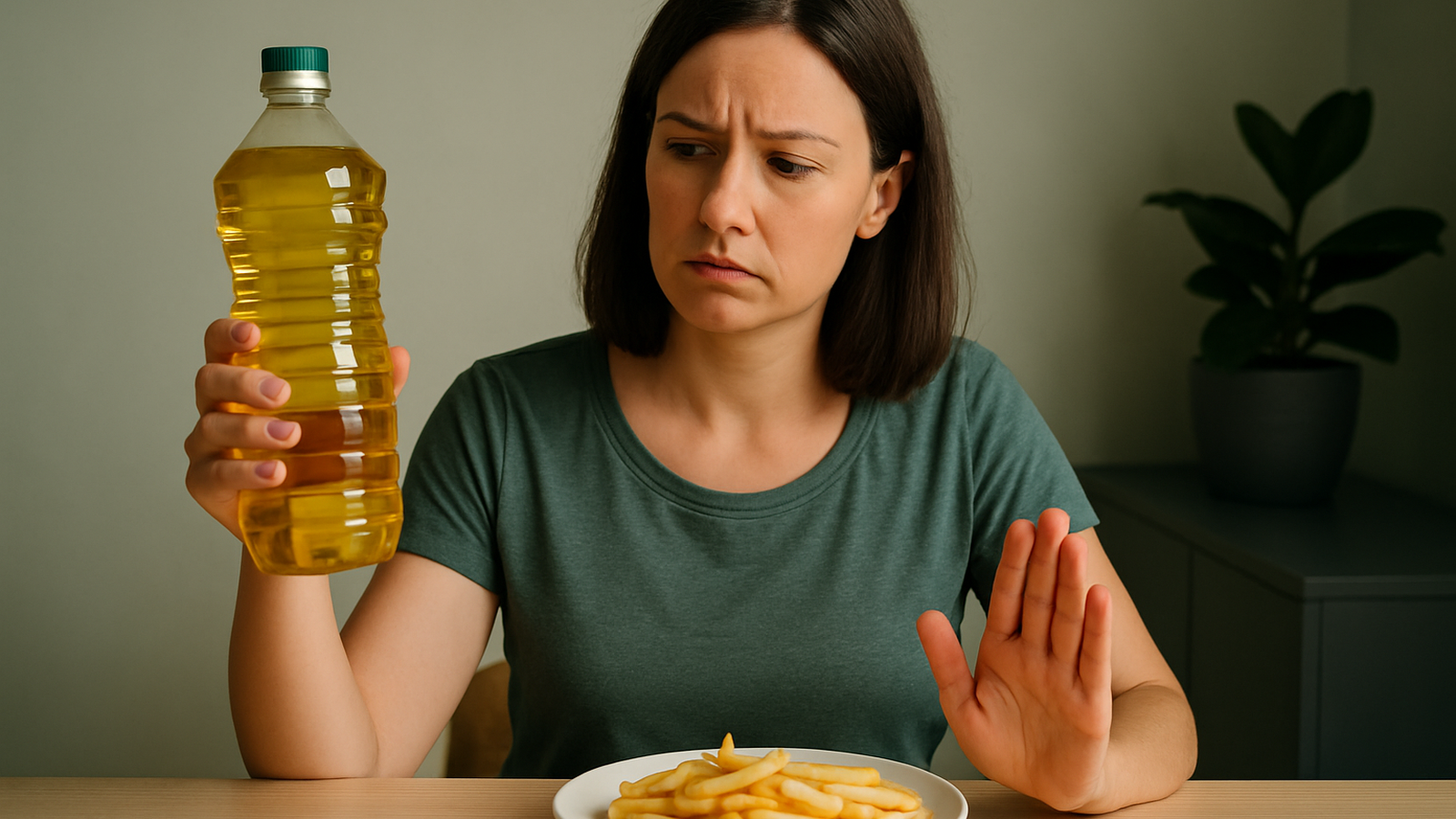 Claim Check
TikTok says seed oils are toxic. Three health authorities say otherwise.
Viral TikTok claims label canola and sunflower oils toxic, but the American Heart Association, WHO, and Harvard all recommend unsaturated plant oils over
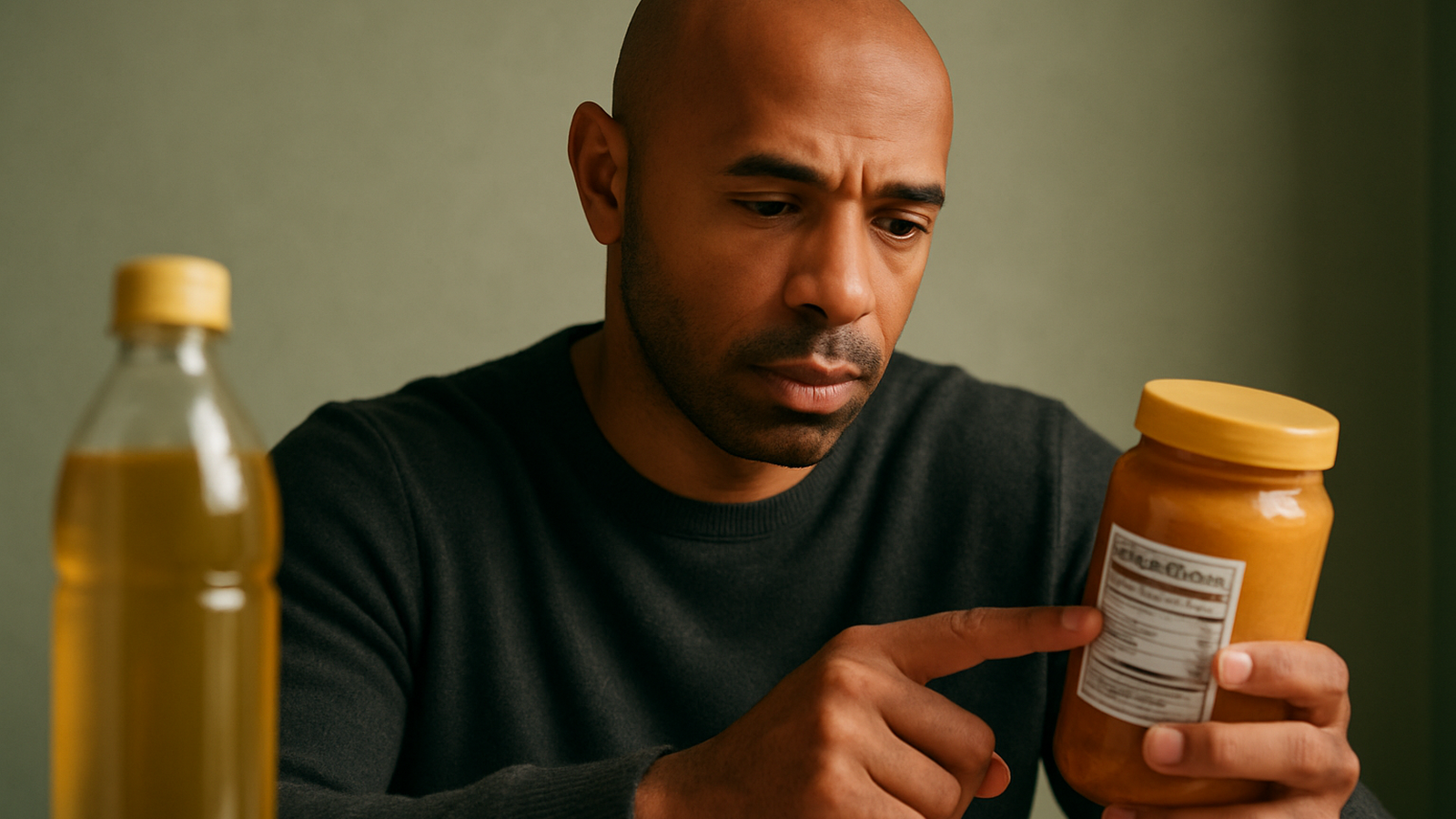 Label Decoder
Thierry Henry cut processed sugar. Here's how to find it on any label.
Thierry Henry eliminated processed sugar. Learn the three-step label test that reveals added sugars in any product—grams, % Daily Value, and ingredient names.
Trusted. Transparent. Practical.
-
Science-Backed
Grounded in credible nutrition research and guidelines.
-
Transparent Sources
We cite trusted research and official guidance.
-
Practical & Actionable
Clear takeaways you can use on your next shop.
-
Family First
Written with real household food decisions in mind.