
What Henry did—and what you can learn instead
Thierry Henry, 48, has publicly eliminated processed sugar from his diet. His decision made headlines. Your decision starts with three lines on any nutrition label.
Celebrity diet stories recur in predictable waves—someone famous quits something, media coverage follows, readers wonder whether they should follow suit. But the useful part of these stories isn't the celebrity's personal results. It's the opportunity to build a skill that works regardless of who's talking about sugar this month.
Henry's choice can't tell you what will happen in your body. But it can prompt a more practical question: Do you know how to spot added sugars in the products already in your cart? Most shoppers don't. The skill takes three minutes to learn and works on every packaged food you'll ever buy.
The two numbers that matter: grams and % Daily Value
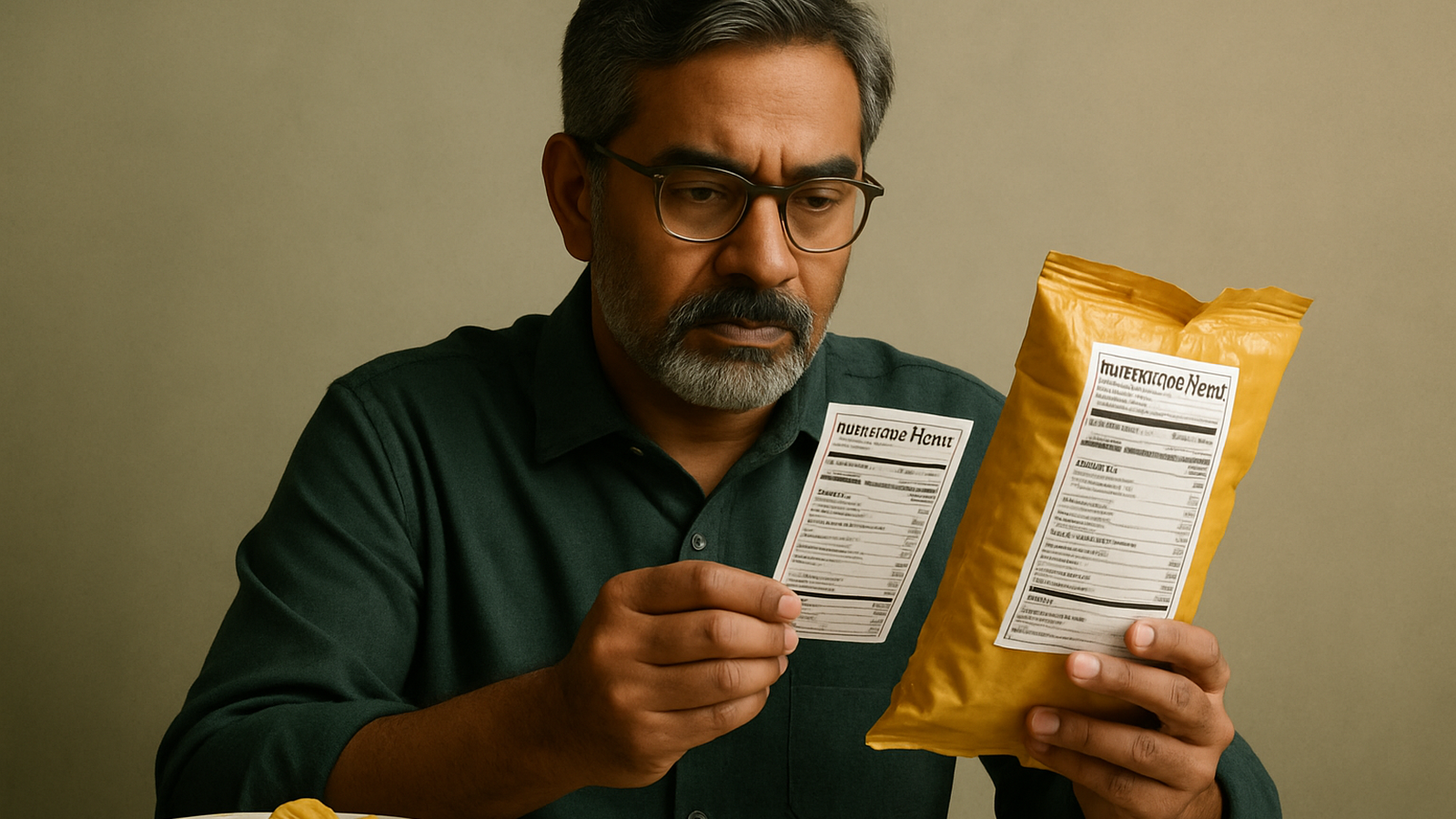
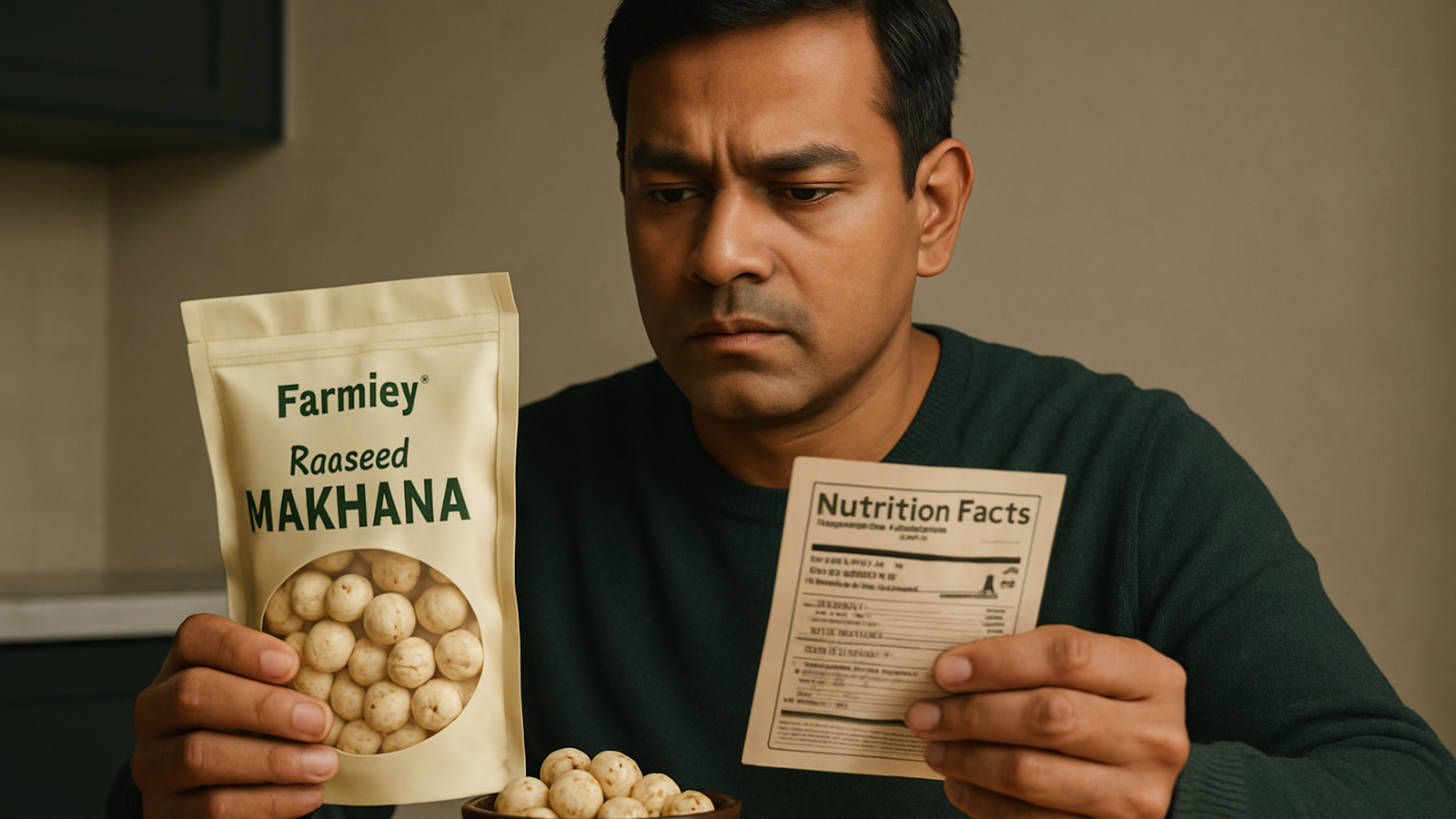
Open any Nutrition Facts panel. Find the line labeled "Total Sugars." Directly beneath it, indented, you'll see "Added Sugars" with two numbers: grams per serving and a percentage.
The grams tell you how much added sugar is in one serving of that product. The percentage—listed as "% Daily Value" or "% DV"—tells you how much of a full day's worth of added sugar that serving provides, based on a reference intake of 50 grams per day.
The FDA requires this format specifically so you can compare products at a glance. A % DV of 5% or less is considered low. A % DV of 20% or more is high. That threshold gives you a quick decision tool: if you're looking at a snack bar with 15g of added sugars and a % DV of 30%, you know that single bar delivers nearly a third of the reference daily intake before you've had breakfast, lunch, or dinner.
The % DV isn't a prescription—it's a benchmark. But it translates abstract grams into context you can use in the grocery aisle.
The ingredient list: where sugar hides under 60+ names
The Nutrition Facts panel shows you *how much*. The ingredient list shows you *what kind* and *where it ranks*.
Ingredients are listed in descending order by weight. If "sugar" appears first, sugar is the predominant ingredient by mass. But manufacturers often use multiple types of added sugar in a single product—cane syrup, fruit juice concentrate, dextrose, maltodextrin—so that no single sugar source lands in the top three.
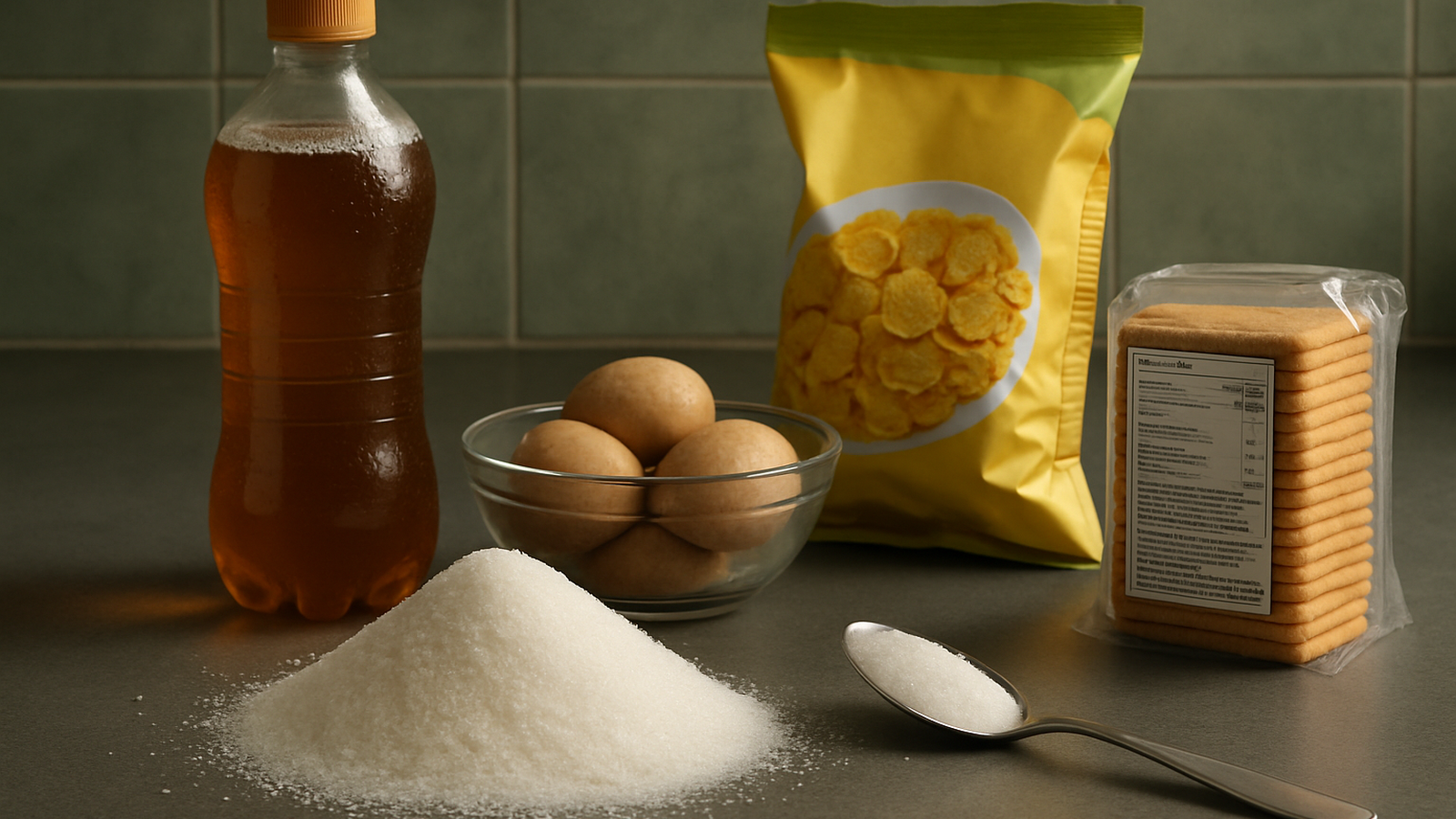
Common synonyms include anything ending in "-ose" (sucrose, fructose, glucose, maltose), syrups (corn syrup, rice syrup, malt syrup), nectars, concentrates, and terms like evaporated cane juice or crystalline fructose. All of these count as added sugars.
One practical rule: scan the first five ingredients. If you see two or more sugar synonyms in that span, the product is sugar-dense even if no single sugar tops the list. This is the multiple-source trap, and it's deliberate.
How much is too much? WHO and AHA thresholds
The World Health Organization recommends reducing free sugars to less than 10% of total energy intake, with additional health benefits when intake falls below 5%. For someone eating 2,000 calories per day, 10% translates to 50 grams of added sugars—the exact reference value used on U.S. nutrition labels. Five percent would be 25 grams.
The American Heart Association offers similar guidance and specifically advises limiting added sugars, particularly those in sugary beverages, which deliver high doses without the fiber, protein, or micronutrients that slow absorption and promote satiety.
These recommendations focus on *added* sugars—the sugars introduced during processing or preparation—not the intrinsic sugars naturally present in whole fruit, plain milk, or unsweetened yogurt. An apple contains sugar, but it also contains fiber, water, and phytonutrients that change how your body processes that sugar. A fruit snack gummy shaped like an apple does not.
Moderation, not elimination, is the evidence-based target. Excess added sugar consumption is linked to weight gain and cardiometabolic risk, but authoritative guidelines from the WHO, NIH, and CDC emphasize sustainable dietary patterns and overall nutrient density over extreme, short-term elimination diets.
Your five-second label test
Here's the sequence you can repeat on any product:
Step 1: Find "Added Sugars" on the Nutrition Facts panel, indented under "Total Sugars."
Step 2: Check the % Daily Value. If it's 20% or higher, that product is high in added sugar relative to a full day's reference intake.
Step 3: Scan the first five ingredients for sugar synonyms—syrups, concentrates, words ending in "-ose," or multiple sugar sources.
If the % DV is above 20% *and* you see multiple sugar synonyms near the top of the ingredient list, you're looking at a product where added sugar is a primary ingredient. That doesn't mean you can't buy it. It means you know what you're buying.
This test works for any product, any brand, any celebrity trend. It's yours.
What this story cannot tell you
Thierry Henry's personal results—whatever he's experienced in energy, focus, or weight—are not typical, not guaranteed, and not generalizable to your metabolism or dietary context. Celebrity testimonials do not account for the wide variability in individual health, activity levels, or the dozens of other dietary and lifestyle factors that influence outcomes.
There is no clinical evidence that total sugar elimination is superior to moderate reduction for most people. The WHO and AHA guidelines recommend *reduction*, not eradication. Natural sugars in whole fruit do not require elimination and are not included in the WHO's free-sugar limits.
This is not a clinical trend. It is not new scientific consensus. It is one person's choice, reported in the media, that happens to create an opportunity to teach a skill.
Sustainable dietary patterns—built on whole foods, balanced macronutrients, and realistic daily habits—matter more than extreme short-term elimination. Celebrity diet stories recur because they're compelling narratives. Label literacy endures because it's a transferable skill you can use regardless of what's trending.
Added sugars in common foods and drinks
Comparison basis: Typical single serving as listed on package
| Food / drink | Added sugars per serving | % Daily Value | Label clue |
|---|---|---|---|
| Flavoured yogurt (170g) | ~15–20g | ~30–40% | Sugar often 2nd or 3rd ingredient |
| Granola bar (40g) | ~8–12g | ~16–24% | Multiple syrups in top 5 ingredients |
| Sweetened iced tea (500ml) | ~20–25g | ~40–50% | Cane sugar or HFCS listed early |
| Tomato pasta sauce (125ml) | ~6–10g | ~12–20% | Sugar, dextrose, or concentrate present |
| Breakfast cereal (30g) | ~10–15g | ~20–30% | Look for maltodextrin, corn syrup |
| Energy drink (250ml) | ~25–30g | ~50–60% | Sucrose and glucose often combined |
| Fruit-flavoured snack (25g) | ~12–15g | ~24–30% | Fruit juice concentrate counts as added |
Values are approximate and vary by brand and recipe. Check the Nutrition Facts panel for exact amounts. % Daily Value based on 50g reference intake.









Comments
No login needed. Keep it kind — abusive language is filtered.