
Coverage of “fat cat weight-loss drugs may be coming for” often arrives as a short claim. The useful work is sorting what changed, what is still unclear, and what a normal household can do next.
The important question is not the loudest post — it is whether the change is supported by nutrition evidence and whether it fits your table.
Bottom line
Learning to read the nutrition label through a single lens—grams per 100 g—cuts through serving-size games and makes every comparison fair. This one habit turns confusing packages into straightforward decisions at the shelf.
The label field
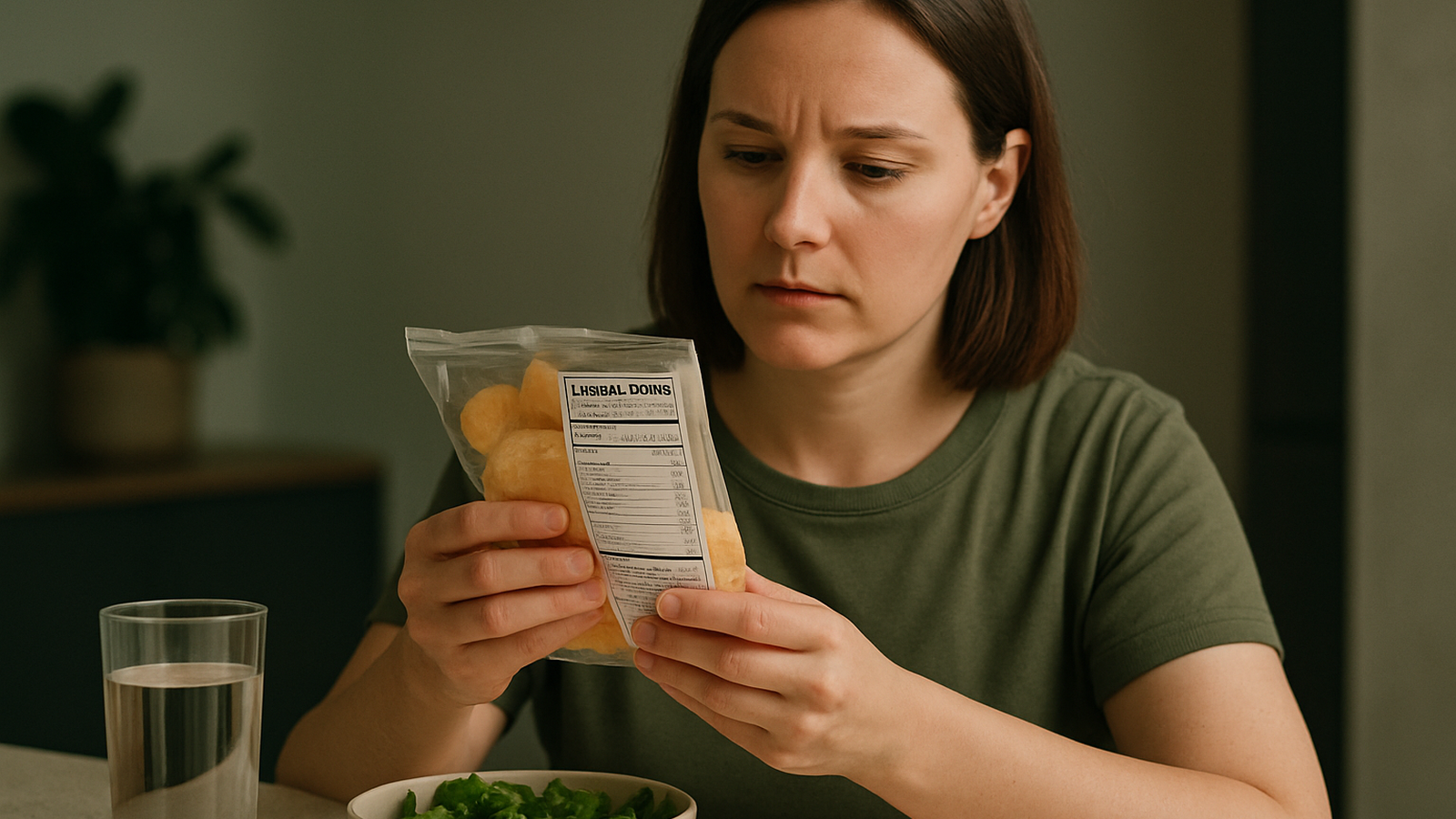
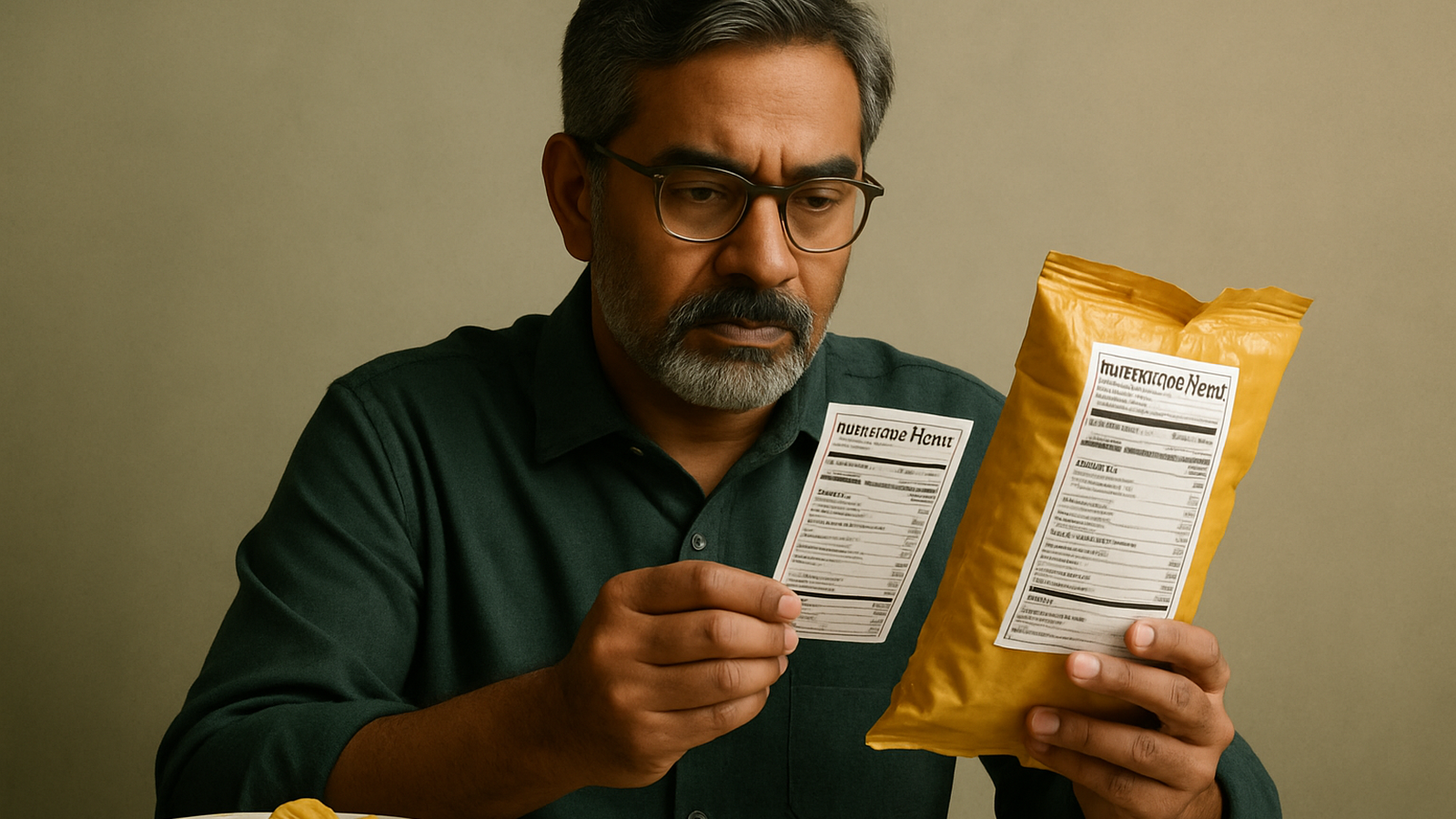
Nutrition labels carry several data points: serving size, calories, total fat, saturated fat, trans fat, cholesterol, sodium, total carbohydrate, dietary fiber, total sugars, added sugars, protein, and a column of percentage Daily Values. For most shoppers standing in the aisle, three fields do the heaviest lifting: serving size, calories, and percentage Daily Value. These are the pieces the FDA designed for quick, practical use, and they work—provided you know which traps to sidestep.
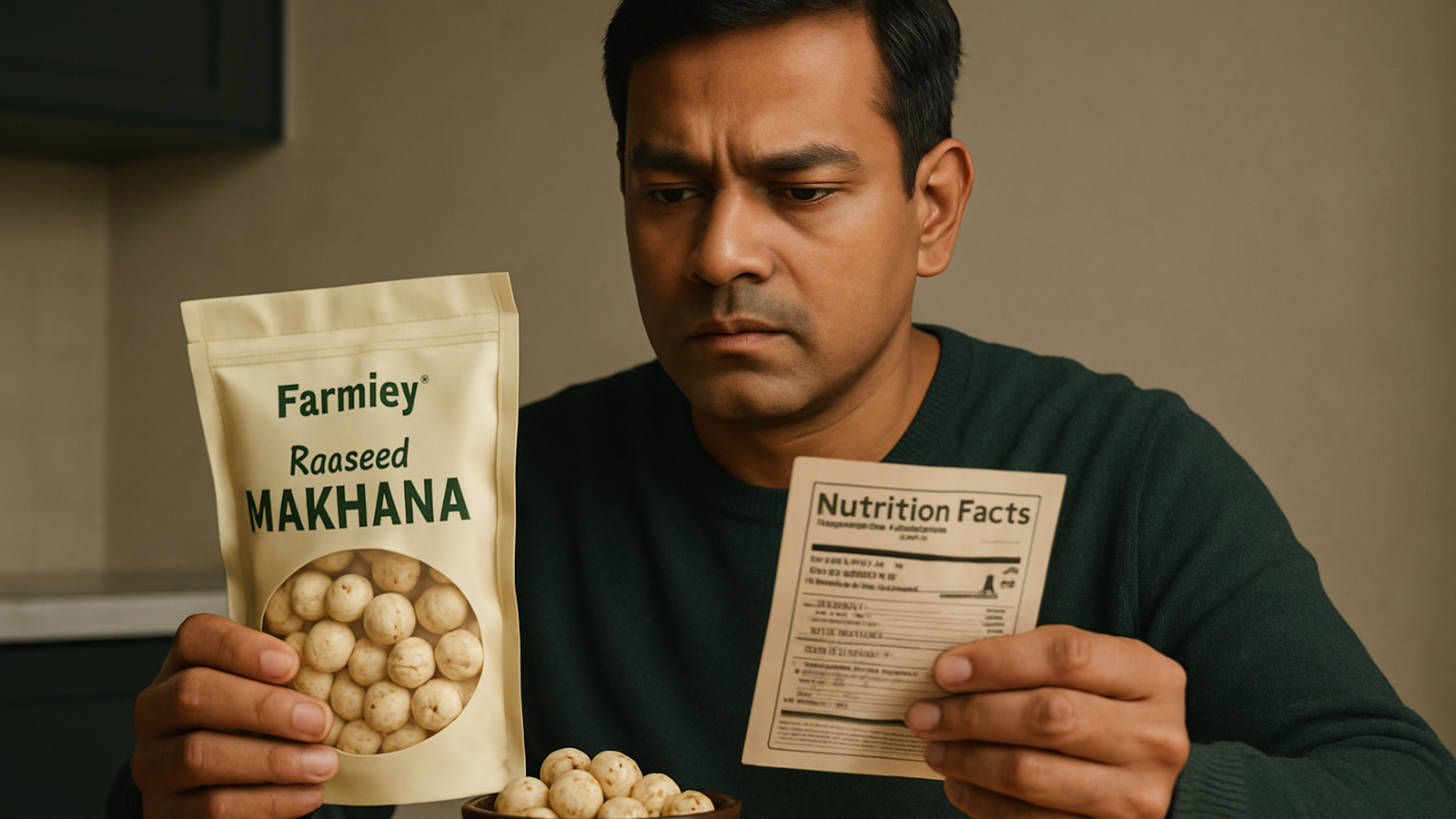
In India, packaged foods follow FSSAI labelling rules, which also require nutrition information per serving and per 100 g. That second column—per 100 g—is your equalizer. When two boxes list different serving sizes, comparing per 100 g puts them on the same scale instantly.
What it means
Serving size tells you the manufacturer's suggested portion. It does not tell you what you will actually eat, and it is not always realistic. A bag of chips might list 28 g as one serving when the whole bag holds 85 g and most people finish it in one sitting. Calories and nutrients are listed for that serving size, so if the numbers look modest, check whether you are reading one serving or three.
Percentage Daily Value shows how much of a day's recommended intake one serving delivers, based on a 2,000-calorie diet. Five percent or less is low; 20 percent or more is high. This scale helps you spot whether a food is dense in a nutrient you want more of—like fiber—or one you want to limit, such as sodium.
The per-100-g column levels the playing field. A 200-g tub and a 150-g pouch can both be translated into the same unit, so you compare apples to apples. This is especially useful across brands, pack formats, and product lines that use wildly different serving definitions.
Pattern guidance from bodies such as the USDA emphasizes nutrient-dense foods—those that deliver vitamins, minerals, fiber, and protein relative to their calorie load—while leaving room for less nutrient-dense choices in moderation. No single headline or new study rewrites your plate overnight. Population diet advice from the WHO remains stable over time, and the CDC's practical nutrition tips consistently point to overall eating patterns, portion awareness, and label literacy rather than fixating on any one ingredient or superfood claim.
Common tricks
Manufacturers are not required to make your decision easy; they are required to print accurate numbers. Within that legal frame, several tactics can mislead a rushed shopper.
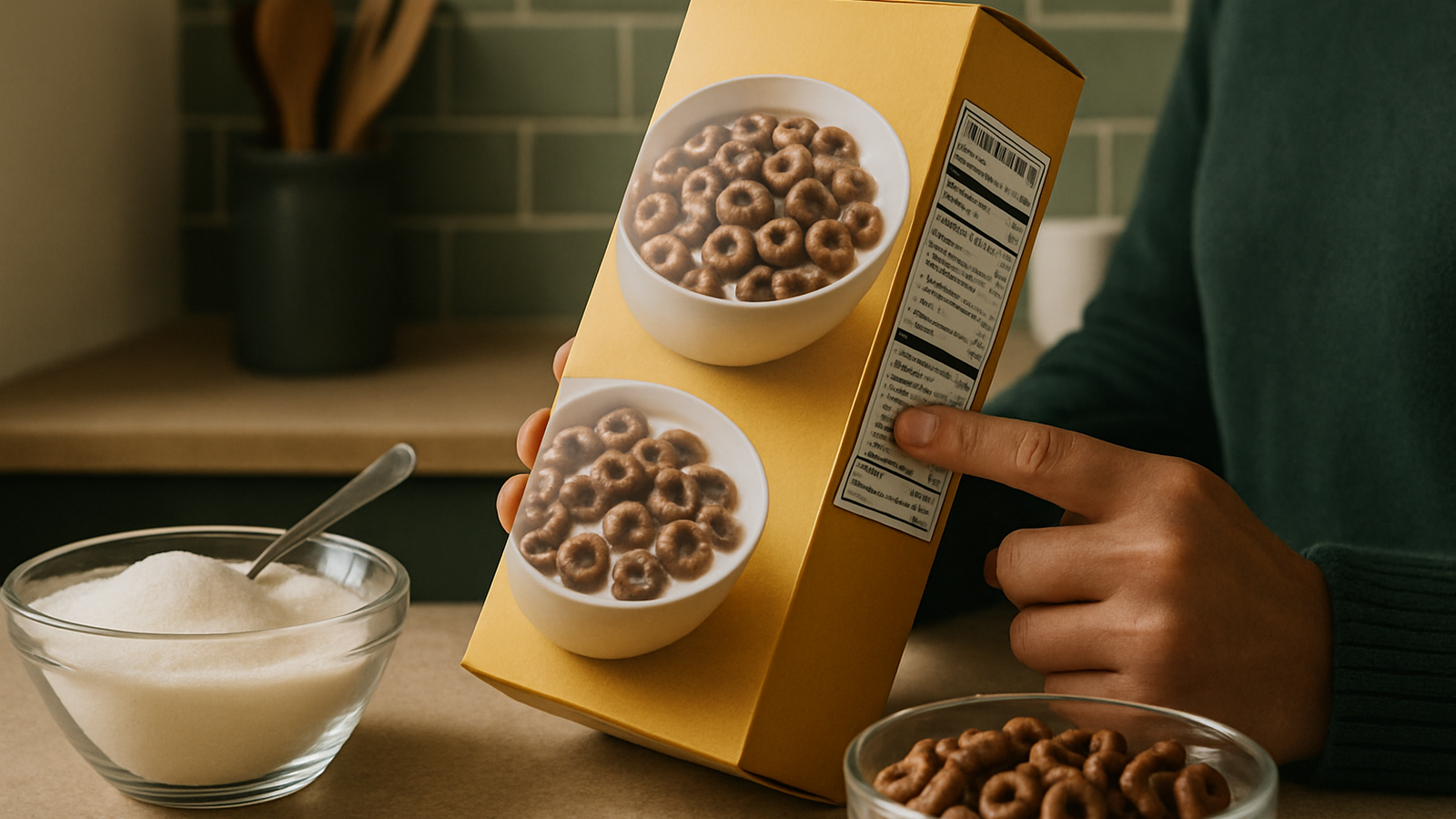
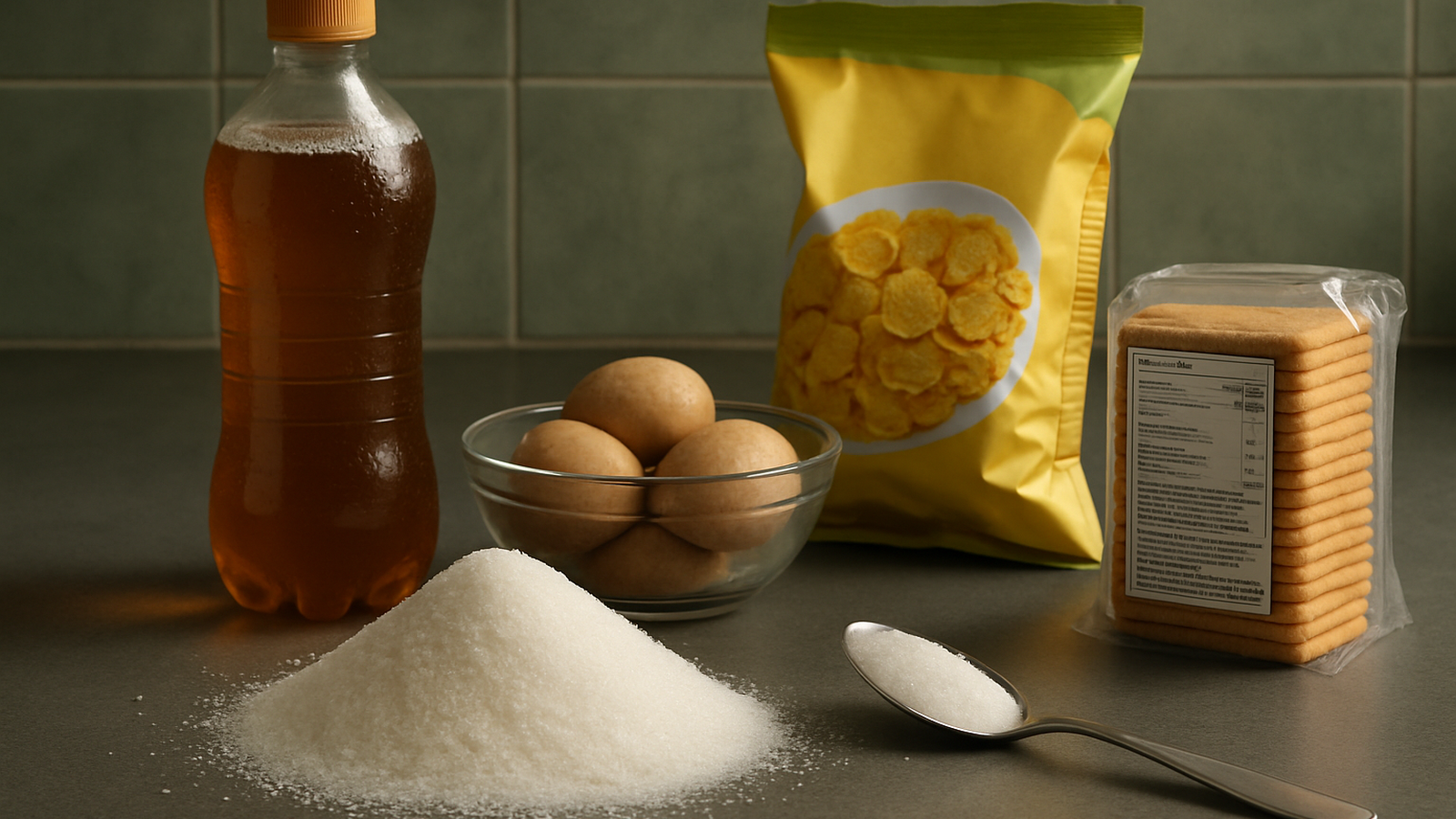
Tiny serving sizes shrink the calorie and sugar counts on the label. A bottle of sweetened tea might list 60 calories and 15 g of sugar per serving, but the fine print reveals 2.5 servings per bottle. Drink the whole thing and you have consumed 150 calories and 37.5 g of sugar.
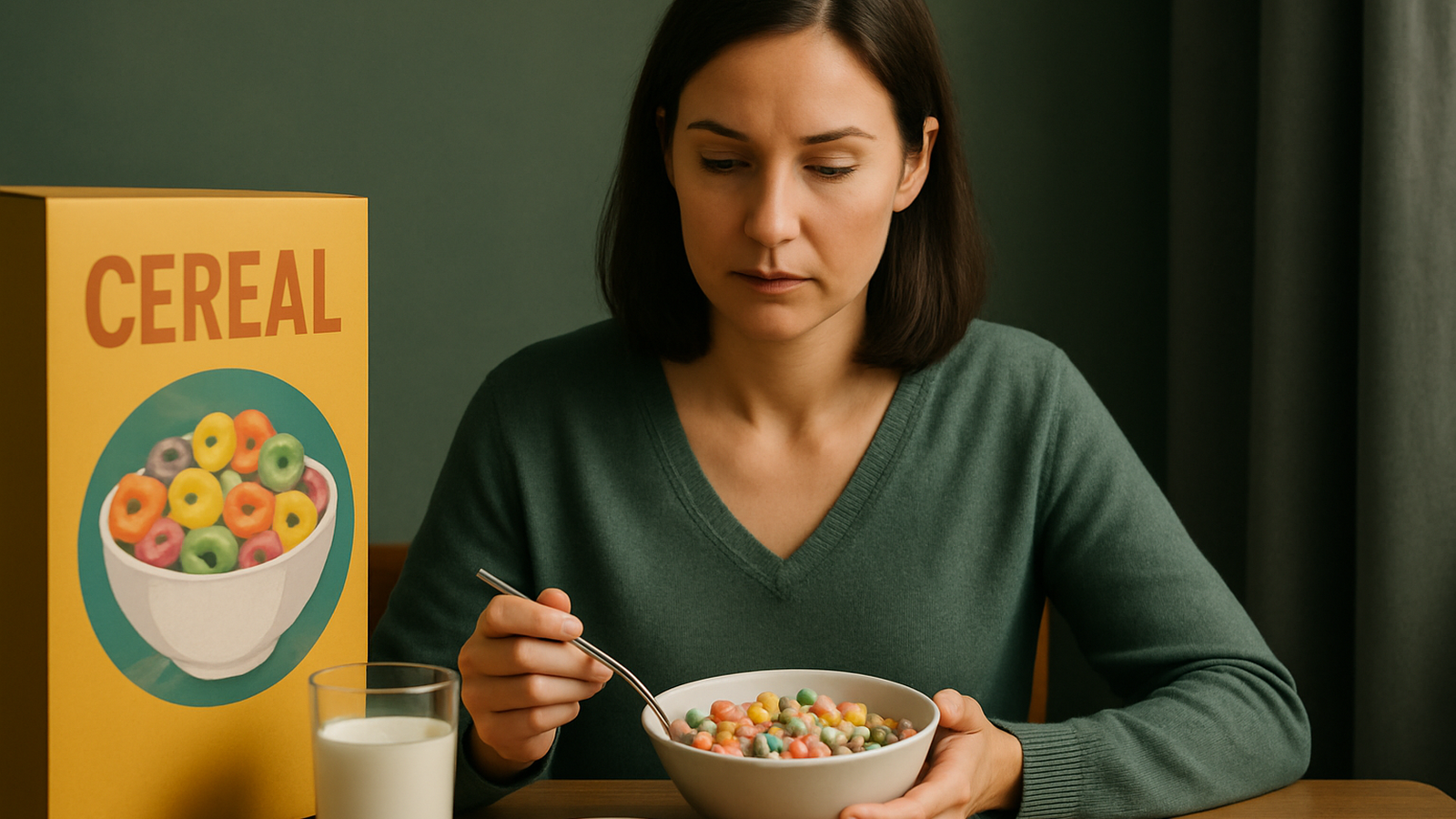
Health halos on the front use words like "natural," "organic," "gluten-free," or "low-fat" to suggest virtue, even when the nutrition table tells a different story. A gluten-free cookie can still be high in sugar and low in fiber. An organic snack bar can pack as many calories as a conventional one. The front of the package is marketing; the table is data.
Comparing unequal pack sizes becomes second nature when you shop by habit. A 40-g pouch and a 100-g box might sit side by side, and without converting to a common denominator, you cannot tell which delivers better value or fewer grams of sodium per bite.
How to read fast
Speed matters when you are juggling a cart, a list, and a toddler. A three-step routine keeps label reading quick and useful.
One: Note serving size. Glance at the top of the table. Is it one cookie, two tablespoons, half a cup, or the whole package? This anchors every number below it.
Two: Switch attention to per 100 g. If your label includes this column—and FSSAI-regulated packs do—use it for all comparisons. If the label shows only per serving, do the math: divide the nutrient amount by the serving size in grams, then multiply by 100.
Three: Check the two nutrients that matter for your decision. If you are managing blood pressure, sodium is your focus. If you are watching added sugar, scan that line. If satiety is the goal, look at protein and fiber. You do not need to read every row; pick the two that align with your reason for checking in the first place.
Practical takeaway
One action: Serving size tricks fade when you standardize on per 100 g.
Before the next repurchase, use the scanner and compare sugar, sodium, and fat per 100 g—not by package size alone. Write down the per-100-g numbers for your usual brand and one competitor. The gap may be smaller than the front-of-pack claims suggest, or it may be larger. Either way, you will know.
Who should be extra careful
Weight-loss medicines and "food noise" talk are clinical territory. If someone at home is on prescribed treatment—or considering it—grocery tips here are context only. Confirm food changes with the prescribing clinician.
Limits
This is general food and nutrition information for education. It is not medical advice, diagnosis, or treatment. When we mention packaged-food categories, that view is editorial—not a clinical trial and not a scorecard of companies. People differ by age, culture, activity, and clinical history. Where the science is thin, we say so—including "we don't know yet" when that is the honest answer.









Comments
No login needed. Keep it kind — abusive language is filtered.