
Why 7-day plans appear in your feed every week
If you've noticed the same headline format cycling through your news feed—"7-Day High-Protein, High-Fiber Meal Plan"—you're not imagining it. EatingWell has published multiple variations of these seven-day plans throughout 2026, each tailored to a different goal: blood sugar management, anti-inflammatory support, weight loss. The plans are syndicated across news aggregators like MSN and OkDiario, amplifying their visibility and making them appear in multiple places at once.
The format's appeal is straightforward. Seven days feels manageable. You get structure, recipe ideas, and a finite commitment—no open-ended diet overhaul, just one week. For households drowning in decision fatigue, that clarity can feel like relief.
But these plans are editorial content, not clinical protocols. They're produced by a media outlet, not endorsed by medical regulatory bodies. And public health guidance from the NIH emphasizes that sustainable dietary habits and overall diet quality are more effective for health than short-term or detox-style meal plans. The tension between what headlines promise and what one week can actually deliver is worth examining before you print out day one.
What seven days of structured eating actually delivers
A seven-day meal plan provides tangible, practical outputs. You get a shopping list. You see portion examples. You're exposed to protein-fiber pairings you might not have tried—lentils with roasted vegetables, Greek yogurt with chia seeds, salmon with quinoa. The format functions as an idea library, a way to see how ingredients combine and how much fits on a plate.
What it cannot provide: personalized advice tailored to your metabolism, medical history, or household constraints. It cannot guarantee metabolic changes. It cannot form habits for you. One week of eating differently does not rewire how your body processes glucose or stores fat. It does not account for your cooking skill, your budget, your family's preferences, or what happens when Wednesday's recipe calls for an ingredient you've never heard of.
The format offers exposure, not transformation. It's a reference, not a prescription.
The evidence gap between a week and a habit
The NIH's guidance is clear: long-term diet quality matters more than short-term interventions. Sustained dietary patterns—what you eat most of the time, over months and years—drive health outcomes. Detox-style intervals, including seven-day plans, do not have the same evidence base.
There is no clinical validation for the 7-day format itself. The FDA, NIH, and CDC do not endorse media-generated meal plans. These agencies provide tools—like the Nutrition Facts label—to help consumers make informed food choices over time, not to follow a one-week schedule created by a publisher.
The conflict is real: headlines promote short-term plans as solutions for specific health goals, but authoritative public health sources consistently prioritize long-term, sustainable dietary patterns. One week may introduce you to new foods, but it does not establish the repetition, flexibility, and problem-solving required to change how you eat.
When a plan adds structure—and when it adds pressure
A seven-day plan can work in specific scenarios. If you're learning what a balanced portion looks like, a week of examples can calibrate your eye. If you're stuck in a recipe rut, seven days of variety can break the loop. If decision fatigue is keeping you from cooking at all, a finite structure can reduce the mental load.
But the same rigidity that provides structure can backfire. If your household's schedule doesn't accommodate prep time, you'll fall behind by day two. If the ingredient list exceeds your budget, you'll substitute—and the structure collapses. If you treat the plan as a pass/fail test, deviation feels like failure, and guilt replaces the relief you were seeking.
The difference between using a plan as a reference and treating it as a prescription determines whether it helps or hinders. A reference offers ideas you can adapt. A prescription demands compliance, and real households rarely comply for long.
Three questions to ask before you start day one
Before you commit, evaluate whether the format fits your reality.
Does this plan account for your household's cooking time and skill? If a recipe requires techniques you've never practiced or equipment you don't own, you're setting yourself up for frustration, not learning.
Can you afford the ingredient list, or will substitutions break the structure? If swapping out expensive items undermines the protein-fiber balance the plan is built around, you're not following the plan—you're improvising under pressure.
What happens on day eight—does the plan teach you how to build your own, or does it just end? If the plan doesn't explain why certain combinations work or how to replicate the logic with different ingredients, it's a one-week script, not a skill-building tool.
If you've already printed a 7-day plan
If you've committed, redirect how you use it. Treat the plan as a recipe source, not a rigid schedule. Cook the meals that fit your week; skip the ones that don't. Notice which meals feel sustainable beyond seven days—those are the ones to repeat. Track what you learn about portions and combinations, not whether you completed every day.
The goal is not compliance. The goal is learning what works in your kitchen, with your time, for your household. A printed plan is just paper until you decide what it teaches you.
What high-protein, high-fiber eating requires beyond one week
Long-term diet quality is the approach supported by NIH guidance. That means building one habit at a time—adding a serving of vegetables to dinner, swapping refined grains for whole grains, experimenting with legumes—not overhauling everything for seven days and then returning to baseline.
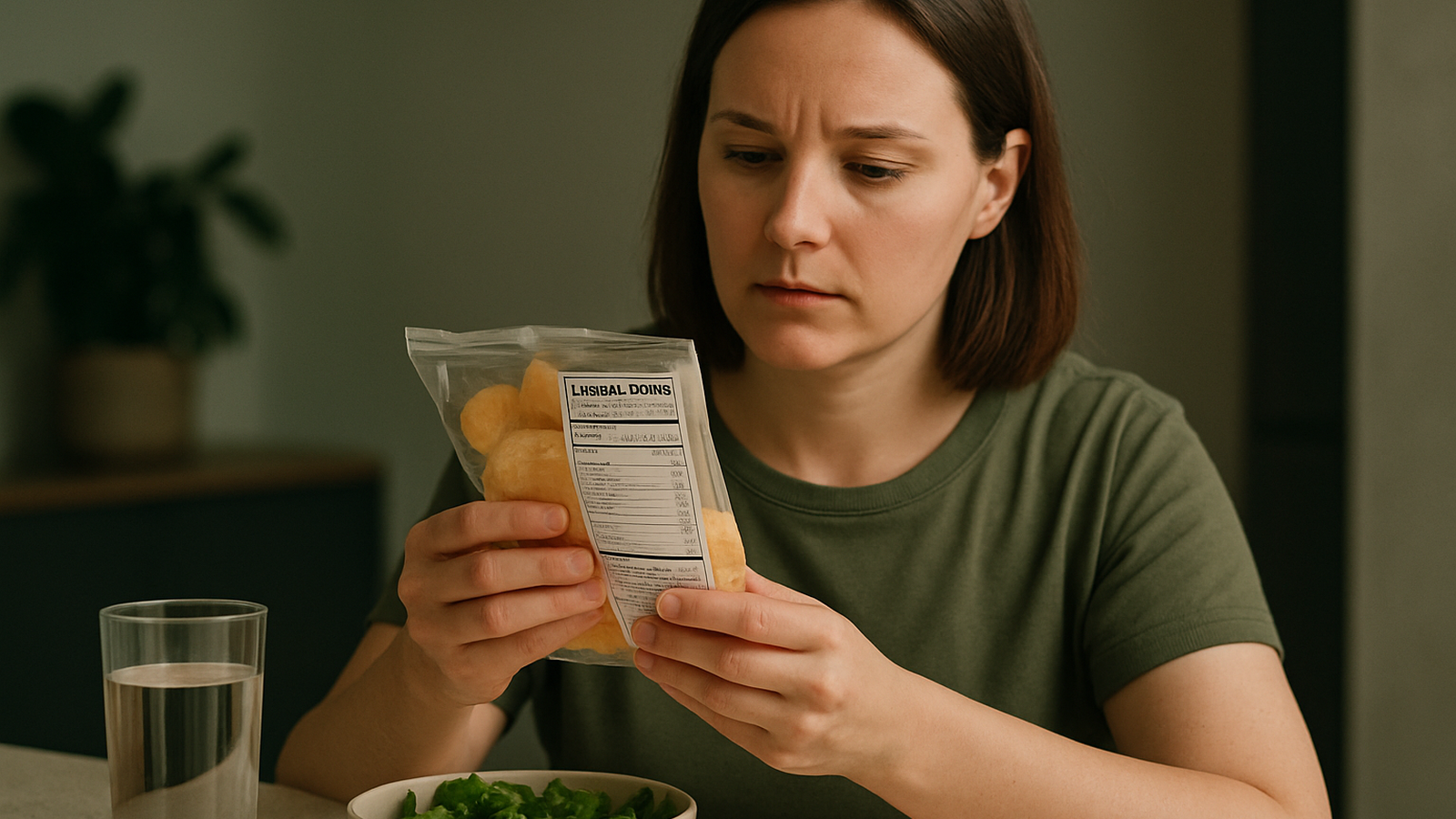
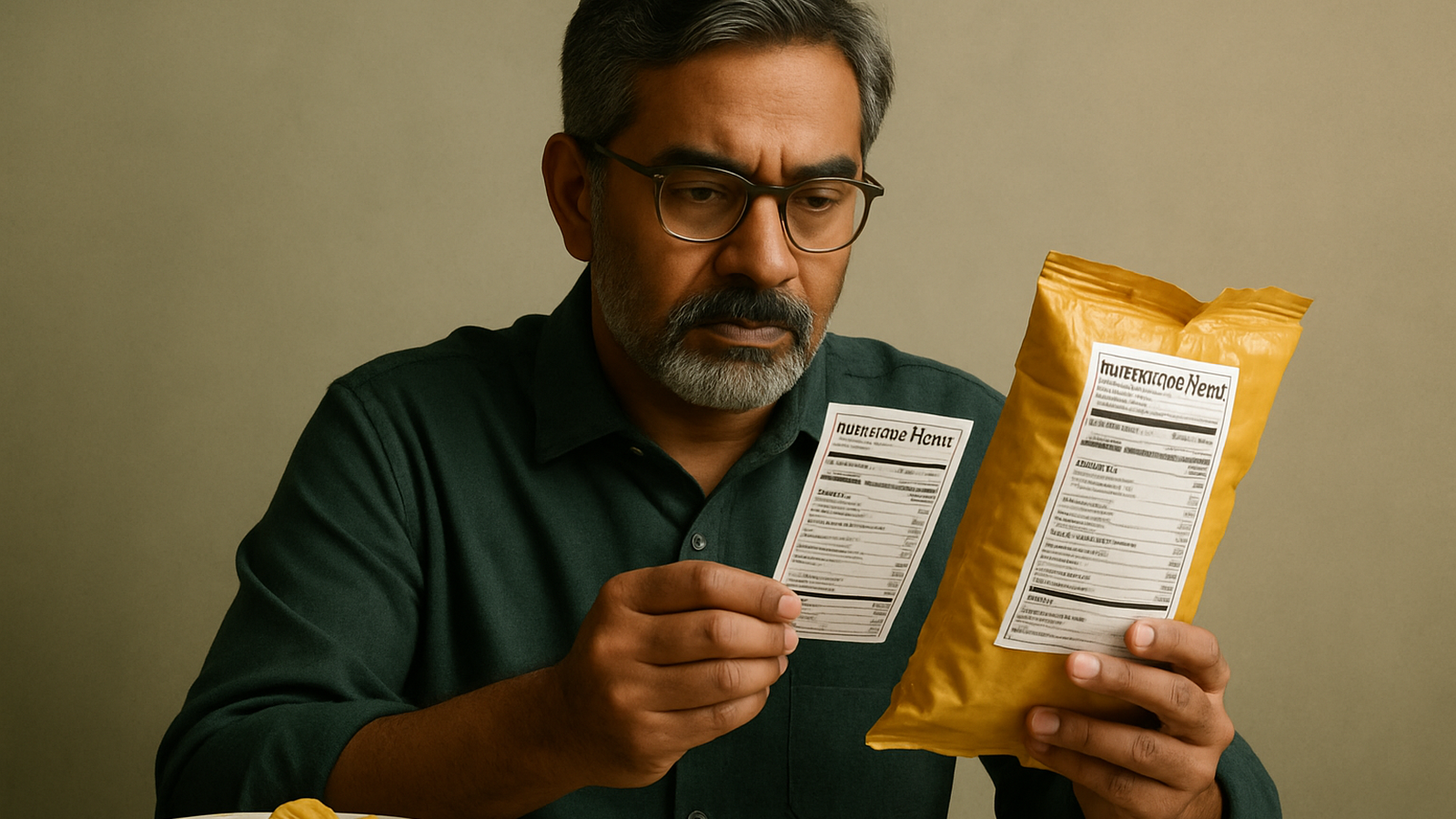
The FDA provides standardized guidance on how to interpret Nutrition Facts labels to help consumers make informed food choices. That label is a tool for ongoing decisions, not just plan-following. Learning to read it, to compare fiber and protein content across products, to notice added sugars and sodium—that's the skill that lasts past day seven.
High-protein, high-fiber eating is not a one-week event. It's a pattern you build, adjust, and sustain. Seven days can introduce you to the pattern, but only sustained practice makes it yours.
Protein + fiber combinations: quick meal-building reference
Comparison basis: Per serving as listed
| Meal component | ~Protein (g) | ~Fiber (g) | Practical pairing |
|---|---|---|---|
| 1 cup cooked lentils | ~18 | ~15 | Base for grain bowls or soups |
| 3 oz grilled chicken breast | ~26 | ~0 | Pair with vegetables or whole grains |
| 1 cup cooked quinoa | ~8 | ~5 | Side or salad base with legumes |
| ¾ cup plain Greek yogurt | ~17 | ~0 | Top with chia seeds or berries |
| 2 tbsp chia seeds | ~4 | ~10 | Stir into yogurt or oatmeal |
| 1 cup cooked chickpeas | ~15 | ~12 | Roast for snacks or add to salads |
| 3 oz salmon fillet | ~22 | ~0 | Serve with roasted vegetables |
| 1 cup cooked black beans | ~15 | ~15 | Taco filling or rice bowl base |
Values are approximate and vary by preparation method, brand, and specific variety. Combine high-protein foods with high-fiber foods to build balanced meals.








Comments
No login needed. Keep it kind — abusive language is filtered.