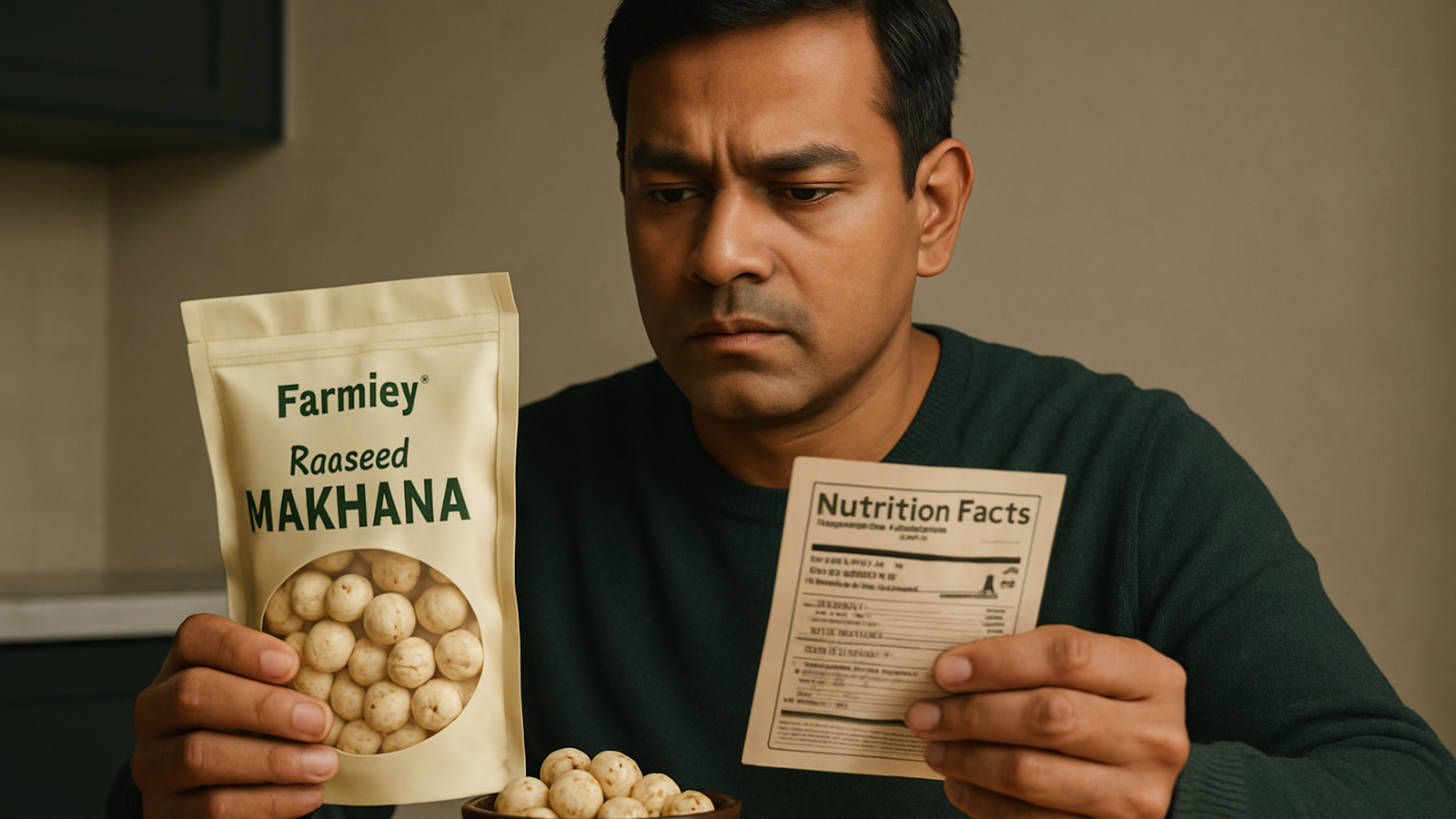
What happens when plain makhana meets seasoning
Makhana—also called fox nut or lotus seed—starts as a low-sodium ingredient harvested from the Euryale ferox plant. In its plain, puffed form, the seed carries negligible sodium and has earned a reputation as a plant-based snack with real nutrition potential: protein, fiber, and minerals without the saturated fat of many fried alternatives.
But the roasted makhana you find on supermarket shelves—seasoned with salt, spices, and sometimes oil—is a different nutritional proposition. The sodium enters during processing, not from the seed itself. Seasoning transforms the base ingredient into a shelf-stable, flavored product, and that transformation changes the numbers on the Nutrition Facts panel. Understanding this distinction matters because the health claim often attached to "makhana snacks" refers to the seed's inherent profile, not necessarily the final seasoned product you're about to eat.
The two label lines that answer the sodium question
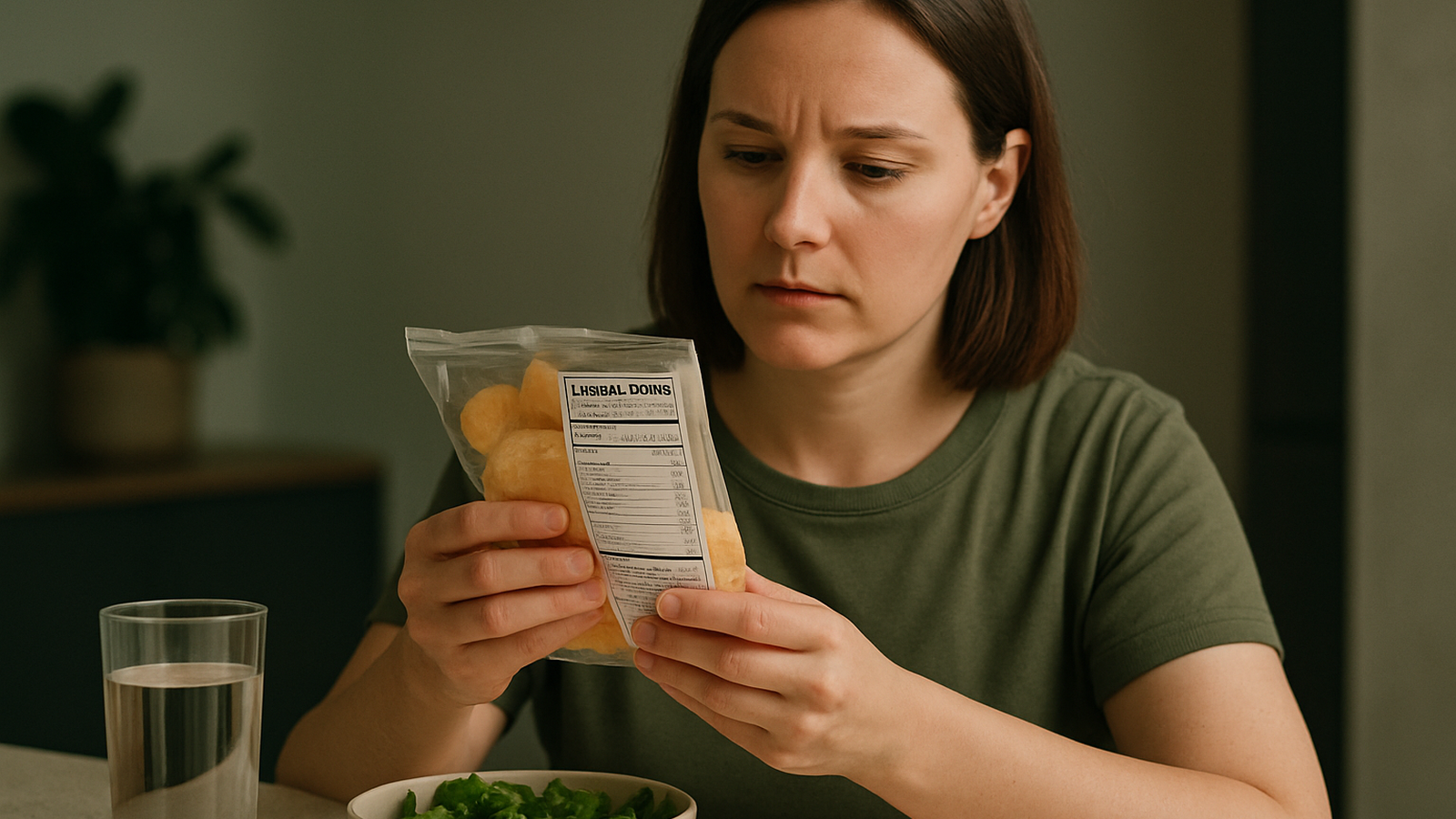
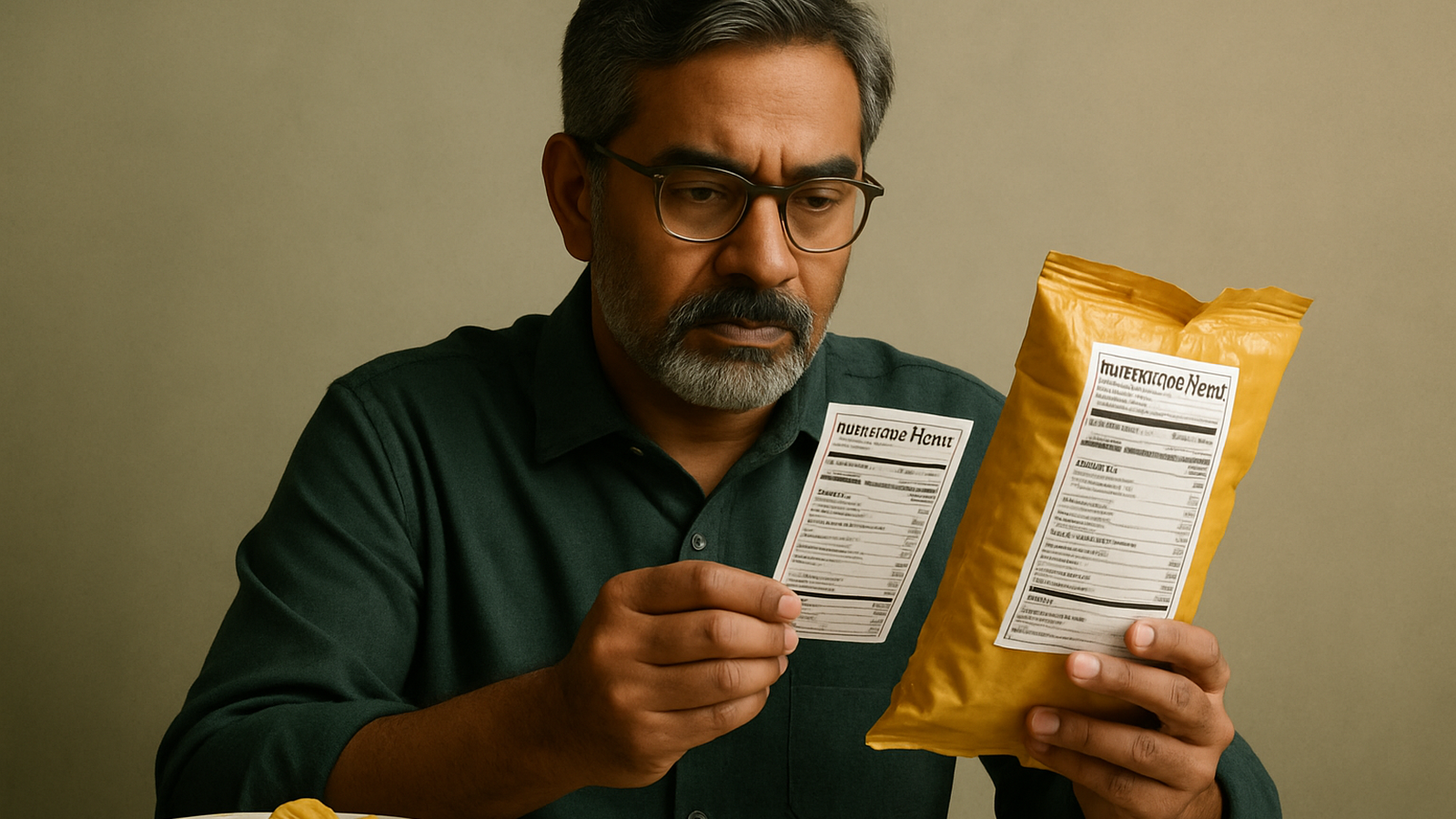
Label literacy is a practical skill for navigating the nutritional content of packaged-food environments, and two lines on the Nutrition Facts panel tell you what you need to know about sodium in any roasted makhana pack.
First, locate the serving size at the top of the panel. This tells you the portion the manufacturer used to calculate all the nutrient values below. Serving sizes are standardized by regulation—in India, FSSAI labelling and standards bind manufacturers regarding the information provided on food packaging—but they don't always match the amount you'll actually eat in one sitting.
Second, find the sodium content per serving, listed in milligrams. The FDA provides guidance on how to understand and use the Nutrition Facts label to better interpret sodium and nutrient content of packaged foods, and this number is your starting point for assessment.
Both numbers are required to assess real-world intake. If a pack lists 30 grams as one serving and you eat 60 grams, you've consumed double the sodium printed on the label. If the pack contains multiple servings and you finish it in one go, multiply accordingly.
What daily sodium guidance says—and where a snack fits
Interpreting the sodium number requires context. General guidance for adults suggests limiting sodium to around 2,300 milligrams per day, though individual needs vary. A snack that delivers 15 to 20 percent of that budget in a single serving would be considered high-sodium for a between-meal food—especially if you're eating multiple servings or multiple snacks throughout the day.
The distinction between "everyday" and "occasional" depends on your household's total sodium pattern, not a single food in isolation. If breakfast, lunch, and dinner already include processed foods, sauces, or restaurant meals, a high-sodium snack compounds intake quickly. If the rest of your day is built around home-cooked meals with minimal added salt, the same snack may fit comfortably.
Multiple servings or multiple snacks in a day make the math less forgiving. Two servings of a moderately salted snack can deliver more sodium than one serving of a heavily salted one, and the cumulative effect across the day is what shapes your total intake.
How to compare across brands when you're in the aisle
Comparing sodium content across different roasted makhana products—or any seasoned snack—requires normalizing the numbers to a common serving size. One brand may list 25 grams as a serving, another 30 grams. To compare fairly, calculate sodium per gram (divide the sodium content by the serving size in grams), then multiply by a standard portion you'd actually eat.
Plain or unseasoned versions of makhana will have lower sodium because they skip the salt and spice blend. If the base ingredient's nutrition is what you're after, those packs deliver it without the added sodium load.
This skill transfers beyond makhana. Seasoned chips, roasted nuts, flavored crackers—any snack with a Nutrition Facts panel can be assessed the same way. You don't need to wait for brand-specific reporting or regulatory benchmarks to make this comparison yourself in the aisle. The label gives you the data; the calculation takes seconds.
What this label check does not tell you
Sodium content alone does not determine individual health outcomes. A high-sodium snack does not directly cause hypertension in an individual—blood pressure is shaped by genetics, overall diet, physical activity, stress, and other factors that a single food cannot override.
We also lack specific sodium data for Farmley's roasted makhana products to publish here, and we have no evidence that this is an industry-wide problem. The concern raised by consumers—that seasoning can turn a low-sodium base ingredient into a higher-sodium snack—is valid as a general observation about food processing, but it does not establish a trend across all brands or all roasted makhana products.
Medical guidance for sodium restriction requires individual context. If you've been advised to limit sodium for a specific health condition, that conversation belongs with your healthcare provider, not a nutrition label alone.
If roasted makhana is already in your pantry
Check the label on the pack you own. Find the serving size, find the sodium per serving, and decide based on your household's total sodium intake—not a rule about a single food.
"Healthy" is context-dependent. A seasoned makhana snack can be an occasional choice even if the sodium is high, provided it's not displacing lower-sodium foods throughout the rest of your day or week. If you're eating it by the handful every afternoon, the sodium adds up. If it's a once-a-week snack alongside meals you've cooked from scratch, the impact is smaller.
Plain makhana remains a lower-sodium option if you want the base ingredient's nutrition without the seasoning. You can flavor it yourself at home with spices, herbs, or a light sprinkle of salt—giving you control over how much sodium ends up in the bowl.
The pack in your pantry isn't a mistake. It's an opportunity to practice the two-line label check that works for any snack, any brand, any time you're deciding what fits your household's eating pattern.
Sodium in common savory snacks (per 30 g serving)
Comparison basis: 30 g portion (approximate handful)
| Snack | Sodium (mg) | % of daily limit* | Label clue |
|---|---|---|---|
| Plain roasted makhana (unseasoned) | ~5–15 | ~1% | No salt in ingredients |
| Seasoned roasted makhana (typical) | ~150–300 | ~7–13% | Salt listed in top 3 ingredients |
| Salted roasted peanuts | ~180–250 | ~8–11% | Check per-gram sodium if serving differs |
| Flavored potato chips | ~200–350 | ~9–15% | Serving often 28–30 g |
| Salted popcorn (pre-popped) | ~150–280 | ~7–12% | Air-popped plain has ~5 mg |
| Roasted chickpeas (seasoned) | ~180–320 | ~8–14% | Spice blends add sodium |
| Salted crackers | ~200–400 | ~9–17% | Check servings per pack |
Values are approximate and vary by brand, recipe, and seasoning intensity. *Based on 2,300 mg daily sodium limit for adults. Always check the Nutrition Facts panel on your specific product.










Comments
No login needed. Keep it kind — abusive language is filtered.