
The FDA's acting food head has publicly stated that defining ultraprocessed foods is challenging. The agency points to evolving science as the core barrier: food processing techniques change constantly, and the research on how different methods affect health remains incomplete. This is an acknowledgment of difficulty, not a policy announcement. No new regulatory category has been created. No label requirements have changed. No rulemaking process has begun. This is administrative commentary on a classification problem, nothing more.
If you were hoping for an official FDA stamp on the term "ultraprocessed," or dreading new warnings on your favorite snacks, neither is happening. The shelves in your grocery aisle look exactly the same today as they did before this comment.
Why 'ultraprocessed' exists in headlines but not on your cereal box
The term "ultraprocessed" comes from research classification systems used by scientists to study dietary patterns and health outcomes. Researchers use these frameworks to group foods by the intensity and purpose of their processing—whether ingredients are extracted, chemically modified, or reassembled into forms that don't resemble whole foods.
The FDA does not regulate foods by processing intensity categories. It regulates specific nutrient claims, health claims, and mandatory disclosures like ingredient lists and nutrition panels. Without a legal definition, there is no enforcement mechanism. The term "ultraprocessed" will not appear on ingredient lists, nutrition labels, or anywhere else the FDA requires manufacturers to print information.
This gap between research vocabulary and regulatory reality means the word lives in studies and news coverage, but has no official standing in U.S. food law. The FDA's recent acknowledgment simply makes that gap explicit.
The three label fields that reveal processing without waiting for Washington
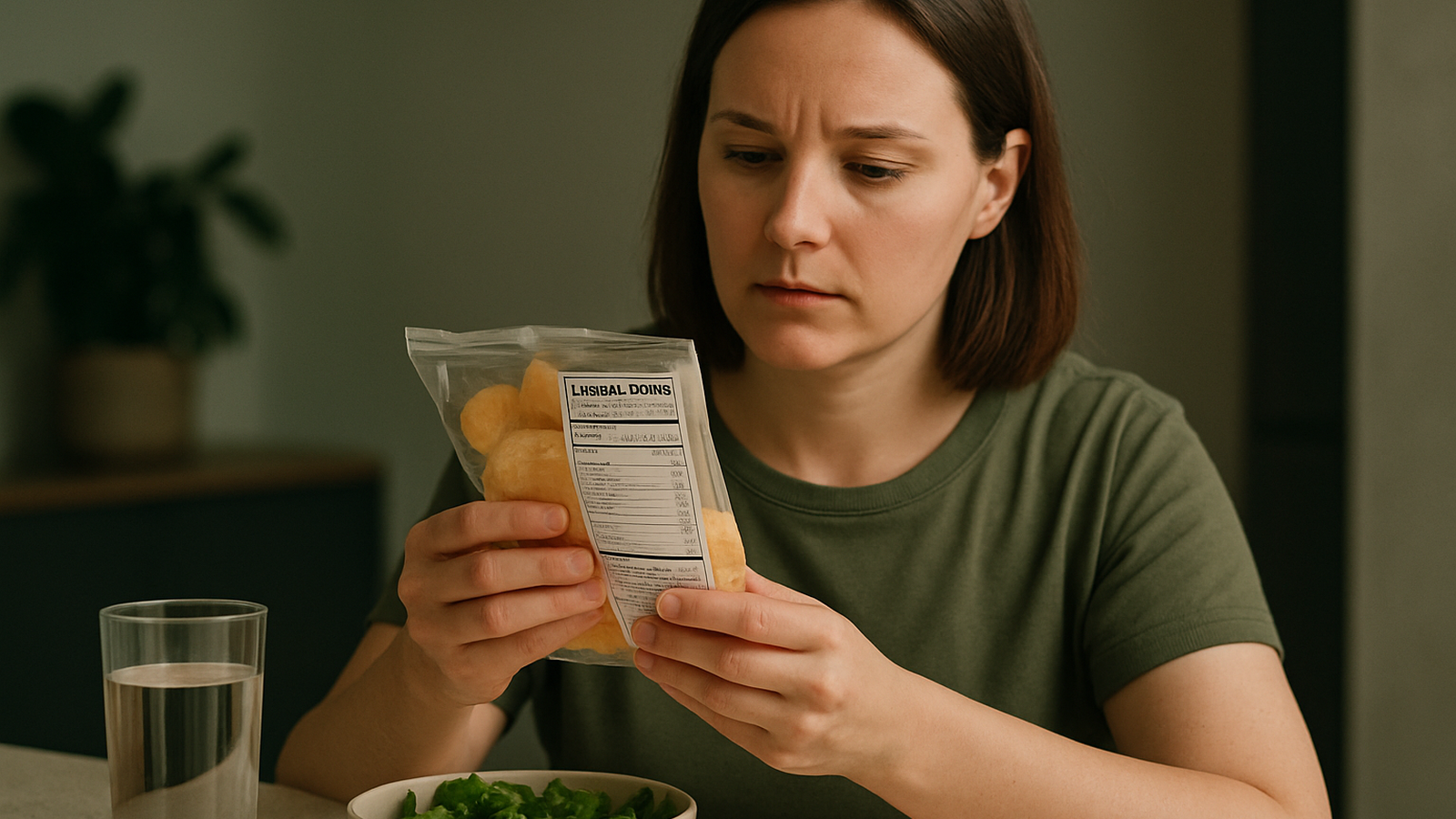
You do not need the FDA to define "ultraprocessed" to assess what you're buying. Three federally required label fields already offer concrete clues about processing intensity, and they work today.
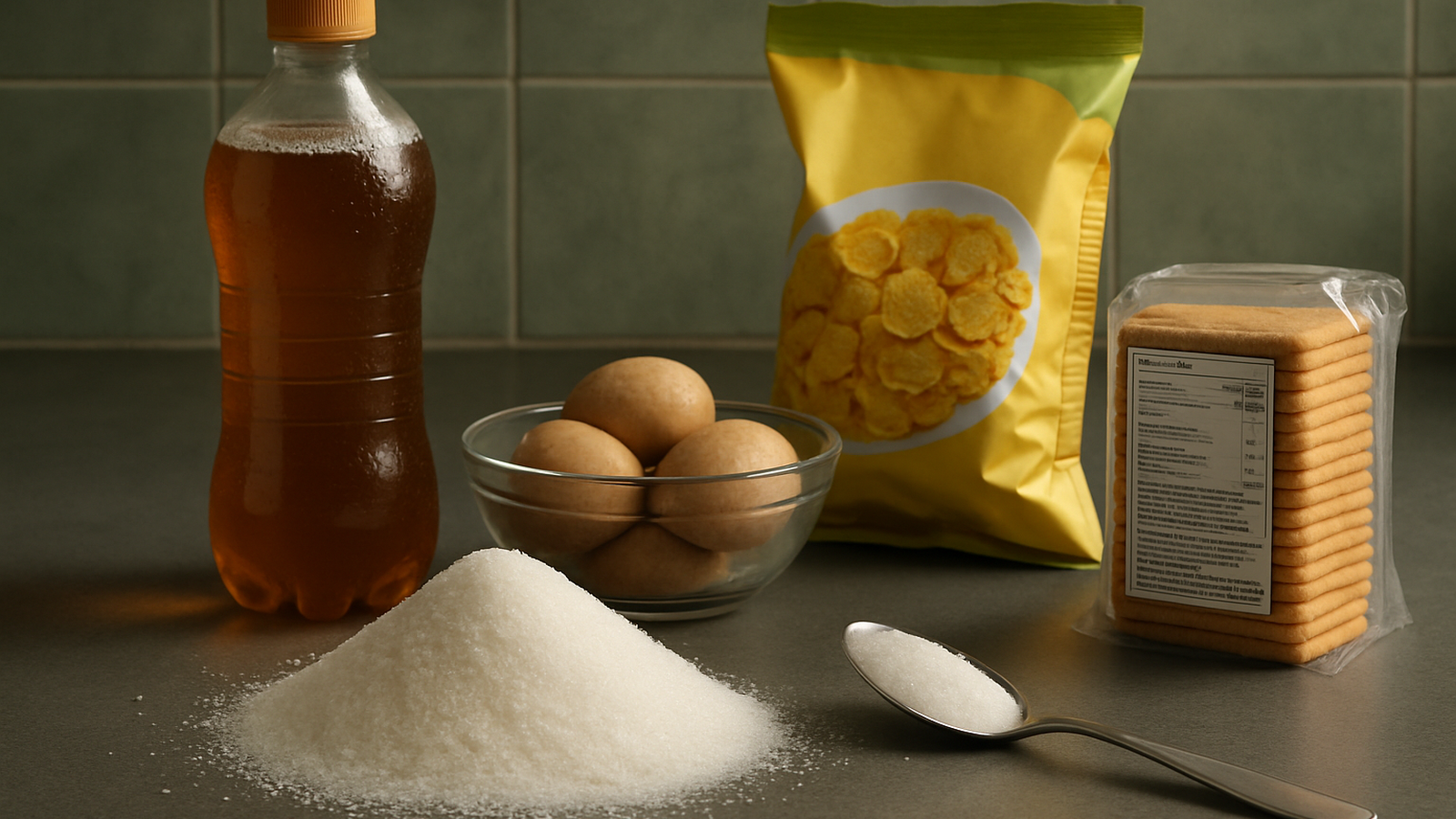
First, check the ingredient list order. Ingredients appear by weight, heaviest first. The first five ingredients make up the bulk of what you're eating. If those five include multiple forms of added sugar, refined oils, or starches, the product has been substantially reformulated from whole ingredients.
Second, count additives and scan for unfamiliar chemical names. Emulsifiers, stabilizers, colorants, and flavor enhancers extend shelf life and alter texture, hallmarks of intensive processing. A long list of multisyllabic compounds you wouldn't stock in your pantry suggests the food has been engineered far from its original form.
Third, review the nutrition panel for sodium, added sugars, and saturated fat per serving. These three nutrients have established health thresholds. The Dietary Guidelines recommend limiting added sugars to less than 10 percent of daily calories, sodium to less than 2,300 milligrams per day, and saturated fat to less than 10 percent of daily calories. A single serving that delivers a large fraction of any of these limits signals a product designed for palatability and preservation, not nutrient density.
These fields are already regulated. Manufacturers must list them accurately. You can read them right now, regardless of whether the FDA ever settles on a definition for "ultraprocessed."
What this comment changes in your grocery aisle
Nothing.
Zero products have been recalled or reclassified. No labels have been rewritten. The same label-reading habits that worked last month work today. The FDA's acknowledgment of definitional difficulty does not alter what appears on any package, nor does it require you to change how you shop.
If you have been making decisions based on ingredient lists, additive counts, and nutrient panels, continue. If you have been ignoring labels entirely, this news gives you no reason to start or stop. The regulatory landscape has not moved.
If you've been avoiding foods labeled 'ultraprocessed' in your head
Many readers have internalized "ultraprocessed" as a mental category, even without official guidance. If you've been trying to avoid foods you *think* fit the term, here's what to do instead.
Check the three label fields above rather than self-applying a research classification. Focus on nutrient limits with evidence thresholds: the Dietary Guidelines' caps on sodium, added sugar, and saturated fat are based on decades of research linking excess intake to cardiovascular disease and metabolic conditions. These limits are actionable and do not require you to guess at processing intensity.
Do not eliminate entire categories without assessing individual products. Processing intensity exists on a spectrum. A loaf of whole-grain bread and a frosted pastry both involve industrial processing, but their ingredient lists and nutrient profiles differ sharply. Binary avoidance—writing off all packaged foods or all foods with more than five ingredients—is not evidence-based and may exclude nutrient-dense options like canned beans, frozen vegetables, or fortified whole-grain cereals.
What remains unknown—and what doesn't require an answer to act
Researchers are still investigating which specific processing techniques drive the health associations observed in large dietary studies. Is it the chemical modification of starches? The addition of emulsifiers that alter gut bacteria? The displacement of whole foods by calorie-dense, nutrient-poor alternatives? These questions remain open.
Whether a universal definition of "ultraprocessed" is possible—or necessary—also remains unresolved. The FDA's comment suggests the agency sees no clear path forward, at least not soon.
But you can assess products using existing label fields regardless of these definitional debates. Nutrient-based guidance is established and independent of processing classification. Limiting sodium, added sugar, and saturated fat reduces cardiovascular risk whether or not the FDA ever names a category called "ultraprocessed."
The acting food head's acknowledgment changes nothing on your shelves and requires no new behavior. The three label fields that matter—ingredient order, additive count, and nutrient limits—are already there, already regulated, and already sufficient for the decisions you make today.
What label clues reveal about processing intensity
Comparison basis: Typical single serving as listed on package
| Food / drink | First 5 ingredients | Additive count | Red flags per serving |
|---|---|---|---|
| Plain rolled oats | Whole grain oats | 0 | Sodium ~0mg, added sugar 0g |
| Instant flavored oatmeal packet | Oats, sugar, maltodextrin, salt, natural flavor | 3–5 | Sodium ~200mg, added sugar ~10g |
| Canned black beans (no salt added) | Black beans, water | 0 | Sodium ~15mg, added sugar 0g |
| Frozen cheese pizza | Enriched flour, water, mozzarella, soybean oil, sugar | 8–12 | Sodium ~600mg, saturated fat ~5g |
| Whole grain bread | Whole wheat flour, water, yeast, salt | 0–2 | Sodium ~150mg, added sugar ~2g |
| Packaged snack cakes | Sugar, enriched flour, palm oil, corn syrup, soy lecithin | 10–15 | Sodium ~200mg, added sugar ~18g, saturated fat ~3g |
| Plain Greek yogurt | Cultured milk | 0 | Sodium ~50mg, added sugar 0g |
| Fruit-flavored yogurt cup | Milk, sugar, modified corn starch, natural flavor, carrageenan | 4–6 | Added sugar ~15g |
Values are approximate and vary by brand and recipe. Compare first five ingredients, count additives with chemical names, and check sodium, added sugar, and saturated fat against daily limits (2,300mg sodium, <10% calories from added sugar and saturated fat).











Comments
No login needed. Keep it kind — abusive language is filtered.