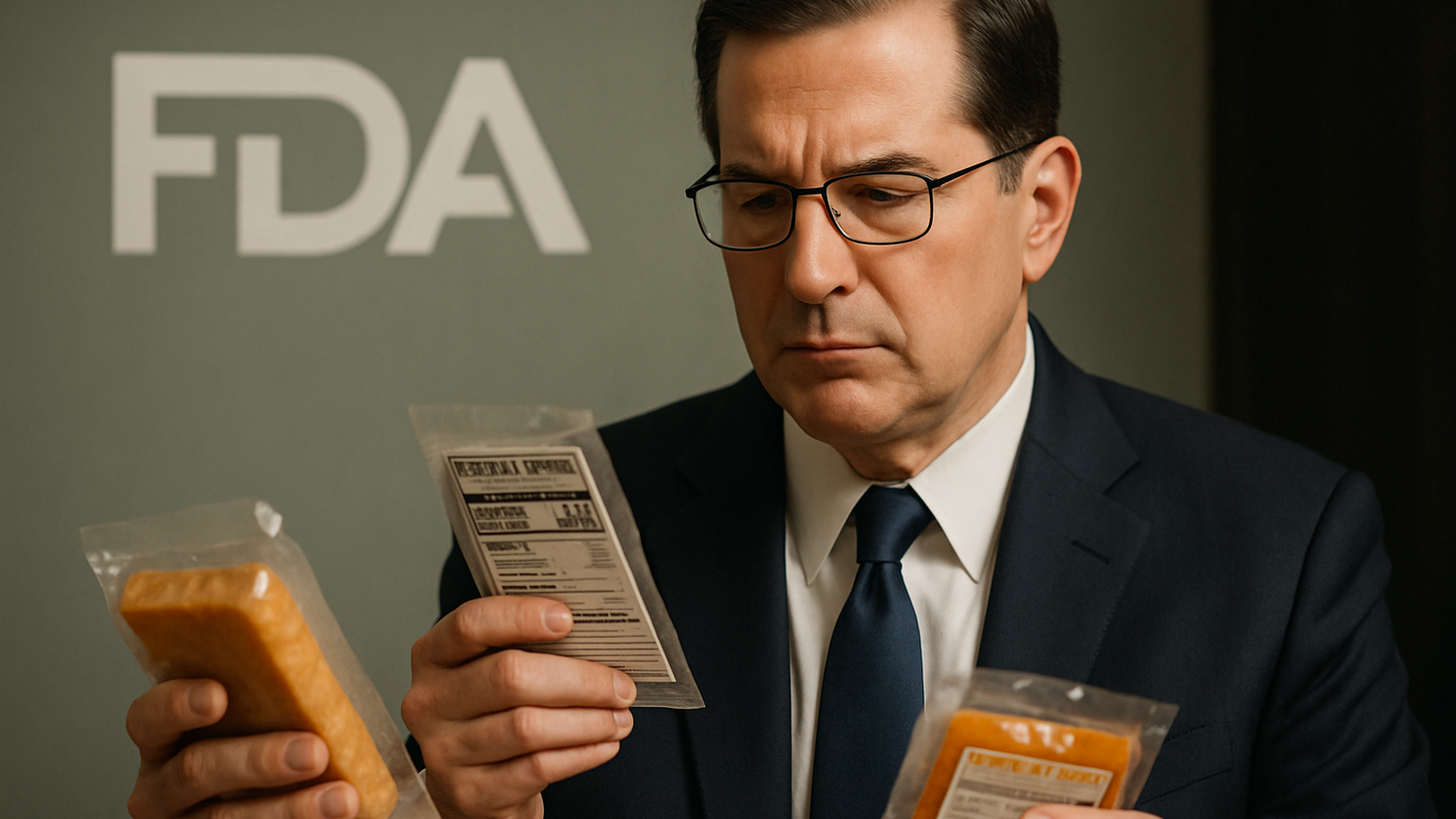
You see a headline about new appointments at the FDA or staffing changes at the USDA, and a question flickers: Should I be reading labels differently now? The impulse makes sense. These agencies oversee what ends up on your dinner plate, and when their names appear in political coverage, it's natural to wonder if something has shifted in the grocery aisles.
But administrative announcements and the regulatory systems that govern food labels operate on different timelines and through different channels. Leadership turnover doesn't rewrite the Nutrition Facts panel overnight, and staffing news doesn't tell you which jar of peanut butter to avoid. The gap between what feels relevant and what actually changes your shopping decisions is wider than it appears.
Why shoppers look for signals in the wrong headlines
Agency leadership makes news because personnel decisions carry political weight and signal potential policy directions. When the FDA or USDA appears in headlines, it's often because someone new is arriving, someone is leaving, or workforce changes are underway. For anyone who cares about what they eat, these stories feel connected to food safety.
The anxiety is understandable. If the people running these agencies change, shouldn't the rules change too? But regulatory frameworks—the systems that determine what must appear on a label, how recalls are issued, and what safety standards apply—don't flip with each personnel announcement. They're built to persist across administrations, updated through formal processes that involve public comment periods, scientific review, and official publication. Staffing news reflects political and administrative shifts. It doesn't identify contaminated products or revise the serving size on your cereal box.
The two events that actually change what you read on a label
Label rules for shoppers change when the FDA updates Nutrition Facts requirements, not when leadership headlines circulate. These updates happen through a defined regulatory process: the agency proposes changes, collects feedback, finalizes new standards, and gives manufacturers time to comply. When the Nutrition Facts label was redesigned to include added sugars and updated serving sizes, that process took years and was announced through official FDA channels, not personnel coverage.
The second trigger is immediate and product-specific: recalls and safety alerts. The USDA Food Safety and Inspection Service publishes product-specific recalls and alerts, which are independent of agency staffing news. When ground beef is contaminated with E. coli or leafy greens carry Listeria, the alert names the pathogen, the brand, the lot numbers, and where the product was sold. These announcements respond to identified risks, not to who currently holds an office.
Both triggers—regulatory updates and safety alerts—operate independently of leadership turnover. The systems that generate them were designed to function regardless of who is in charge on any given week.
Where safety alerts actually appear—and what they name
Real safety alerts live in specific, searchable databases maintained by the agencies themselves. The USDA's Food Safety and Inspection Service runs a recall page that lists every meat, poultry, and egg product under investigation or recall. The FDA maintains its own recall database for everything else, from packaged snacks to fresh produce. The CDC's foodsafety index tracks outbreak investigations and links them to specific foods or settings.
What do these alerts actually say? Public health food-safety actions typically identify specific pathogens, products, or settings rather than political staffing changes. You'll see the name of the bacteria, the brand on the package, the states where it was distributed, and the dates it was produced. A recall notice might tell you to check your freezer for a particular lot of frozen berries. It won't mention who was just appointed to lead the agency.
This specificity is the point. When you need to act—when something in your kitchen might make you sick—the alert gives you enough detail to find it and discard it. Staffing headlines don't provide that information because they're not designed to.
What administrative news doesn't tell you in the grocery aisle
Leadership announcements don't identify contaminated products. They don't revise the Nutrition Facts panel. They don't tell you which allergen warnings have been added or which serving sizes have changed. Staffing news covers personnel decisions and potential policy directions, but those discussions unfold over months or years, not in the time it takes to push a cart through the store.
Regulatory frameworks persist across administrations because they're embedded in law and agency procedure. A new administrator can propose changes, but those changes move through a formal process before they reach the label you're holding. The lag between a policy shift at the top and a shopper-facing change is long enough that you'll see the regulatory announcement—published in the Federal Register, covered in trade press, discussed in public comment periods—well before it affects what you read on a box.
In the meantime, the standards that govern your current shopping trip remain in place. The label you're reading today reflects rules that were finalized months or years ago, and those rules don't vanish when a headline breaks.
Your label-reading checklist when any agency makes news
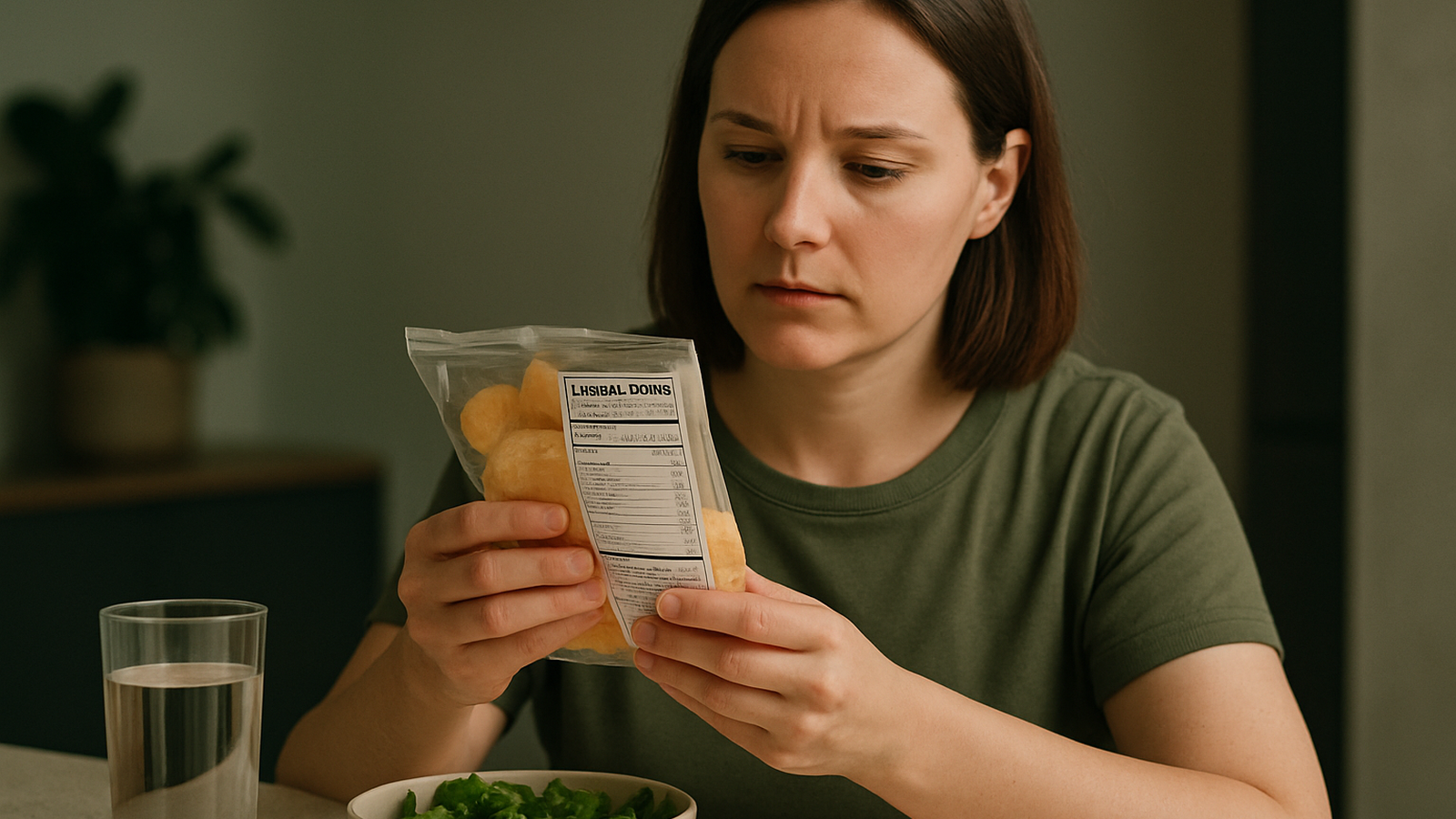
When you see FDA or USDA coverage and wonder if your shopping habits should change, here's what to do: Check the USDA Food Safety and Inspection Service recall page and the FDA recall database for products you've purchased or plan to buy. Look for official announcements from the FDA about updates to Nutrition Facts panel requirements—these will specify what's changing and when manufacturers must comply.
Ignore staffing headlines for immediate shopping decisions. They don't carry the product-specific or regulatory detail that would change what you put in your cart today.
Over time, monitor regulatory announcements if you want to stay informed about potential shifts in labeling standards or safety protocols. But understand that those shifts will be announced through official channels, not through personnel coverage. The system that protects you in the grocery aisle is designed to keep working regardless of who's in the news.
What real safety alerts tell you vs. what staffing news doesn't
Comparison basis: Not applicable—compares information sources
| Information type | What it tells you | Where to find it | When it matters |
|---|---|---|---|
| USDA recall notice | Brand, lot number, pathogen, distribution states | USDA FSIS recall page | Check freezer/fridge now |
| FDA recall alert | Product name, contamination type, purchase dates | FDA recall database | Check pantry now |
| CDC outbreak investigation | Linked food, affected regions, illness count | CDC foodsafety index | Avoid implicated food |
| Nutrition Facts update | New label requirements, compliance deadline | FDA official announcements | Months to years ahead |
| Agency staffing headline | Personnel change, potential policy direction | News outlets | No immediate action needed |
| Allergen warning addition | New allergen disclosure on specific product | Product label or FDA alert | Check if you have allergies |
Safety alerts provide actionable product details; staffing news does not identify contaminated items or change current label requirements.















Comments
No login needed. Keep it kind — abusive language is filtered.