Why The Lancet coverage doesn't change your shopping list
The Lancet has published research and commentary on ultra-processed foods and their health impacts, adding fuel to an ongoing scientific conversation. But here's what that debate does not require: rethinking the verified habits you may already use when reading a nutrition label.
Public health guidance from the CDC and other authorities remains unchanged. The emphasis is still on overall dietary patterns—prioritizing whole foods, limiting added sugars, watching sodium. These targets existed before the ultra-processed food debate heated up, and they remain the evidence-backed action points regardless of how scientists ultimately classify your breakfast cereal.
The confusion in headlines stems from something specific: researchers are debating *how to classify foods*, not whether certain nutrients matter. You do not need to wait for academic consensus to make informed choices. The tools already on your nutrition label still work.
What 'ultra-processed' tries to capture—and why scientists disagree
Ultra-processed foods typically refer to industrial formulations containing ingredients you would not use in a home kitchen—emulsifiers, modified starches, hydrolyzed proteins. The category attempts to capture something beyond "processed" (which includes frozen vegetables and canned beans) and identify products assembled from extracted substances rather than recognizable foods.
The scientific dispute centers on a fundamental question: Do these processing methods themselves drive adverse health outcomes, or are they simply a proxy for nutrient profiles we already know to limit—high added sugars, sodium, certain fats?
There is no consensus on the exact mechanisms by which ultra-processed foods might contribute to obesity. Some researchers argue the industrial processes create products that bypass satiety signals or alter gut bacteria. Others contend that what we call "ultra-processed" just happens to correlate strongly with excessive calories, added sugars, and sodium—and that's the real problem.
This is an ongoing debate in the scientific community. Classification systems like "ultra-processed" are research tools designed to study patterns across populations. They were not designed as shopping tools for individual households trying to assess a specific jar of pasta sauce.
The nutrients both sides of the debate already agree you should limit
Amid the classification arguments, public health guidance converges on concrete targets that do not require you to determine a food's processing level.
Added sugars: Official guidance recommends reducing intake. The nutrient panel on your current label lists grams per serving.
Sodium: Established daily limits exist (less than 2,300 mg for most adults). The number is printed on every packaged food.
Whole foods: Prioritizing vegetables, fruits, whole grains, and minimally processed proteins remains consistent across all dietary guidance, regardless of anyone's position on ultra-processing.
These are not new recommendations. They do not depend on resolving the processing debate. And crucially, they are already on the nutrition labels you read today.
Reading a label when headlines argue over definitions
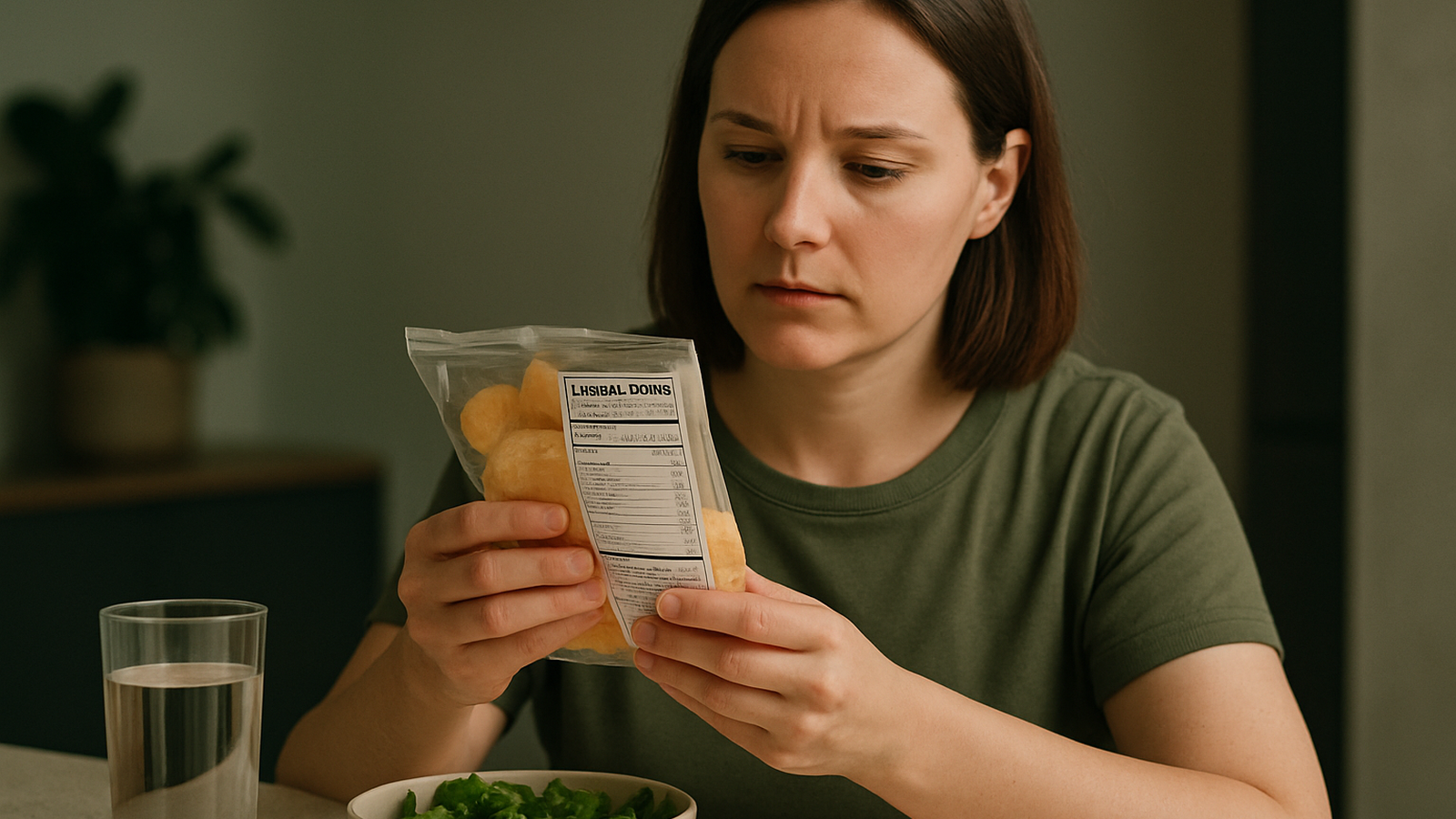
When you cannot definitively determine whether a food qualifies as "ultra-processed" by any given scientific definition, the nutrition panel provides verified information that works regardless of classification philosophy.
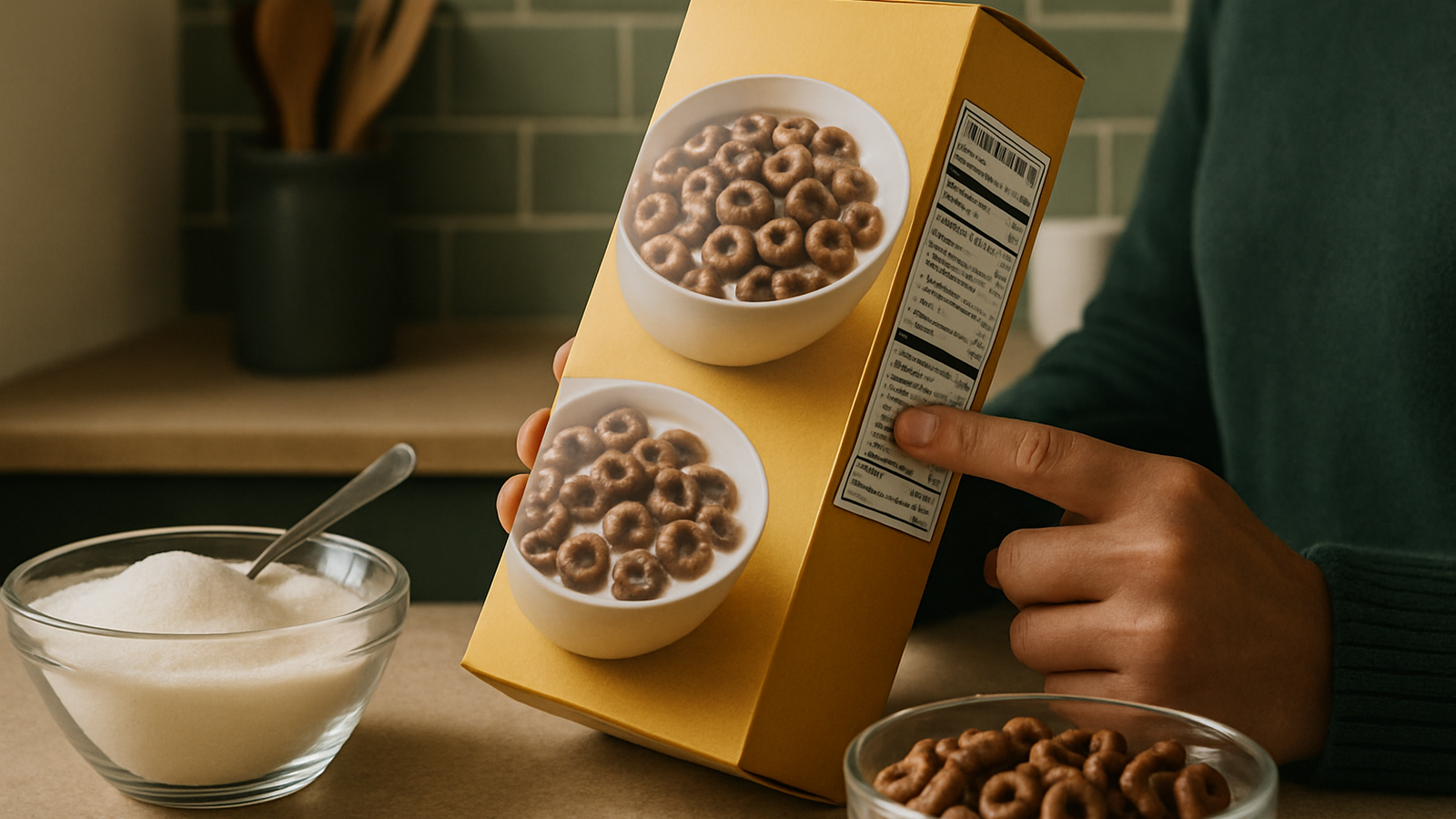
Start with added sugars. Check grams per serving against your daily budget. This number captures sweetness from syrups, concentrates, and refined sugars—regardless of how industrially they were produced.
Check sodium in milligrams. Compare it to your daily limit and consider how many servings you will realistically eat. A product with 600 mg per serving that you eat daily matters more than one with 800 mg you have monthly.
Scan the ingredient list. Length alone is an imperfect proxy, but a roster of unfamiliar additives may signal a product formulated from extracts rather than foods. Still, prioritize the nutrient panel—a short ingredient list does not override excessive added sugars.
Compare to whole-food alternatives when available. If you are choosing between flavored yogurt and plain yogurt with fresh fruit you add yourself, the nutrient comparison (and ingredient simplicity) often favors the latter—not because industrial processing is toxic, but because the first option typically contains more added sugars.
This approach works whether the food in your hand is "ultra-processed" by one definition, two definitions, or none.
What this debate does not mean for your pantry today
A single article in The Lancet, however rigorous, does not constitute regulatory change or new policy. It contributes to an evolving body of evidence that regulatory agencies review over time, through formal processes, before updating official guidance or label requirements.
There is no evidence that all processing is harmful or that you must eliminate all processed foods. Frozen vegetables are processed. Canned beans are processed. Whole grain bread is processed. The debate concerns specific industrial formulations and whether their processing methods—independent of nutrients—drive health outcomes.
Scientific disagreement over classification does not invalidate foods you currently eat. If a product fits within your added sugar budget, meets your sodium limits, and serves your household's needs, the fact that researchers argue over its category does not change its nutrient content.
The focus remains on overall dietary patterns, not single food categories. Public health guidance has never suggested that eating one ultra-processed food, or even several, undermines an otherwise balanced diet. The concern is when these products dominate intake and displace whole foods.
When the evidence will actually change what you read on a pack
Regulatory label changes require formal review processes, not single studies. In the United States, the FDA evaluates evidence across multiple studies, considers public comment, and follows rulemaking procedures before altering what must appear on a nutrition label or how terms can be used.
Public health guidance updates when evidence reaches a consensus threshold. Individual studies—even those published in prestigious journals—represent data points in a larger conversation. Official recommendations change when the weight of evidence, reviewed by expert panels, supports new targets or warnings.
Until then, existing nutrient targets remain the verified action point. You do not need to anticipate regulatory changes or guess at future label requirements. The numbers currently printed—added sugars, sodium, saturated fat—reflect the established evidence base.
When guidance does change, you will see it through official channels: updated CDC recommendations, revised Dietary Guidelines for Americans, new FDA label rules. You do not need to monitor individual journal articles or interpret conflicting headlines. The official sources will synthesize the evidence and translate it into clear action points.
The debate over ultra-processed foods reflects scientists doing what they should: questioning assumptions, testing mechanisms, refining classification systems. That process is valuable. But it unfolds on a research timeline, not a shopping timeline.
Your cart does not need to wait for the debate to resolve. The verified habits—checking added sugars, limiting sodium, prioritizing whole foods when possible—work today, and they will work regardless of how science ultimately defines "ultra-processed." The label you already know how to read contains the numbers that matter.
Label numbers that work—no processing debate required
Comparison basis: Typical single serving as listed on package
| Common food | Added sugars (per serving) | Sodium (per serving) | Whole-food swap |
|---|---|---|---|
| Flavored yogurt (170 g) | ~15–20 g | ~80–120 mg | Plain yogurt + fresh berries |
| Instant oatmeal packet (43 g) | ~10–14 g | ~200–280 mg | Rolled oats + cinnamon |
| Granola bar (40 g) | ~8–12 g | ~80–150 mg | Handful of nuts + dried fruit |
| Canned soup (250 ml) | ~3–6 g | ~600–900 mg | Homemade broth + vegetables |
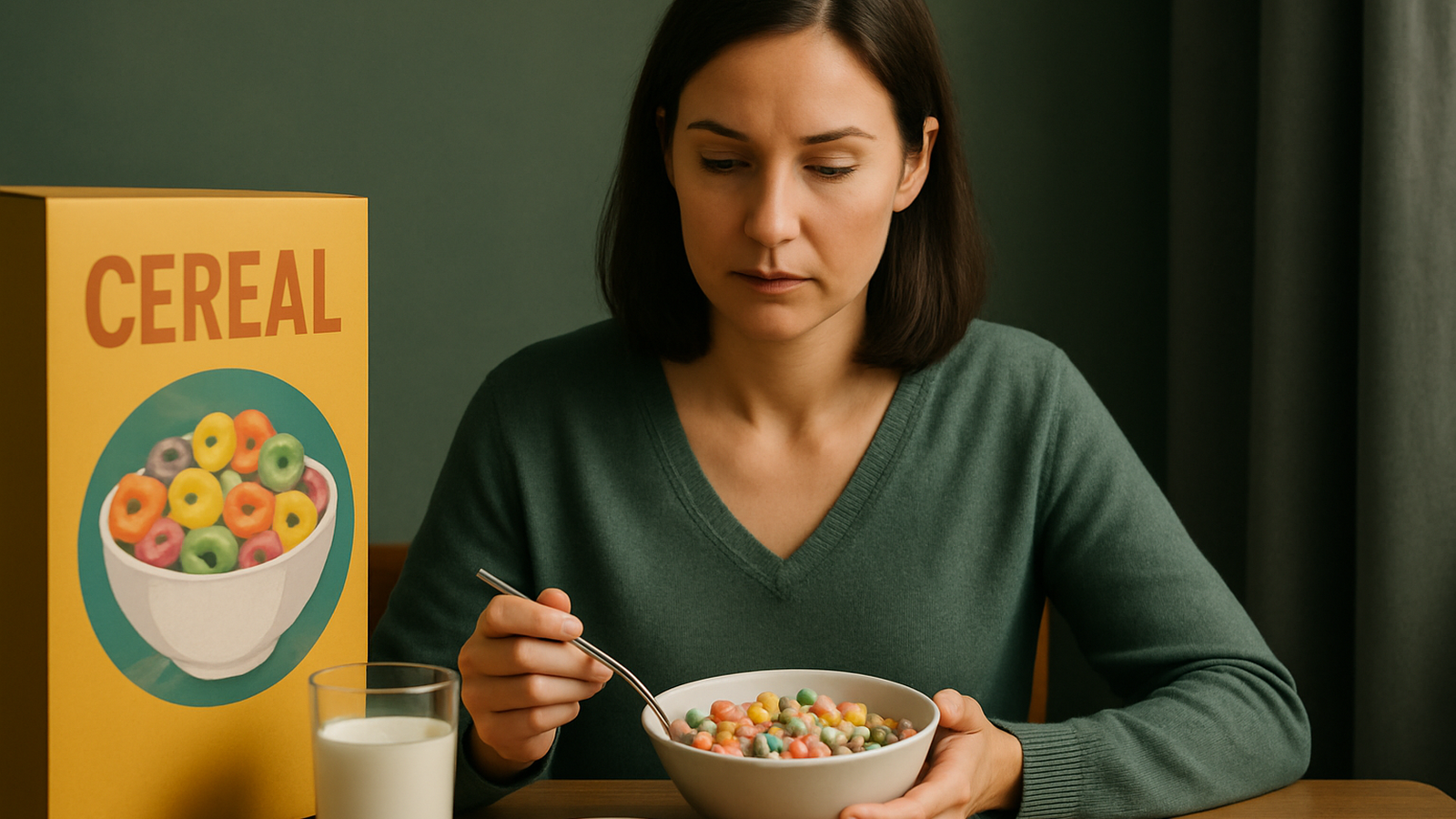
| Breakfast cereal (30 g) | ~8–15 g | ~150–250 mg | Whole grain cereal (<5 g sugar) |
| Bottled smoothie (325 ml) | ~20–30 g | ~40–80 mg | Blended frozen fruit + milk |
| Frozen pizza (1/3 pizza) | ~4–8 g | ~700–1,000 mg | Whole wheat pita + toppings |
Values are approximate and vary by brand and recipe. Check your label for exact amounts. Daily limits: <50 g added sugars, <2,300 mg sodium for most adults.











Comments
No login needed. Keep it kind — abusive language is filtered.