
Why the question exists—and why no recall or alert does
If you've wondered whether Kissan products contain too much salt, you're not alone in wanting to know what's in the bottle. But there's no current public health alert or regulatory action regarding Kissan products and salt levels. No specific nutritional data for Kissan products was supplied in the evidence reviewed for this piece, either—so we can't answer "Is Kissan high in salt?" with a number.
That absence, though, points to the real gap: most of us have never been taught to read the one part of the pack that answers the question ourselves. Label literacy is a practical skill for navigating packaged-food environments, and it works on any brand, any day, without waiting for a recall or a news story.
The sodium number that matters—and where manufacturers must print it
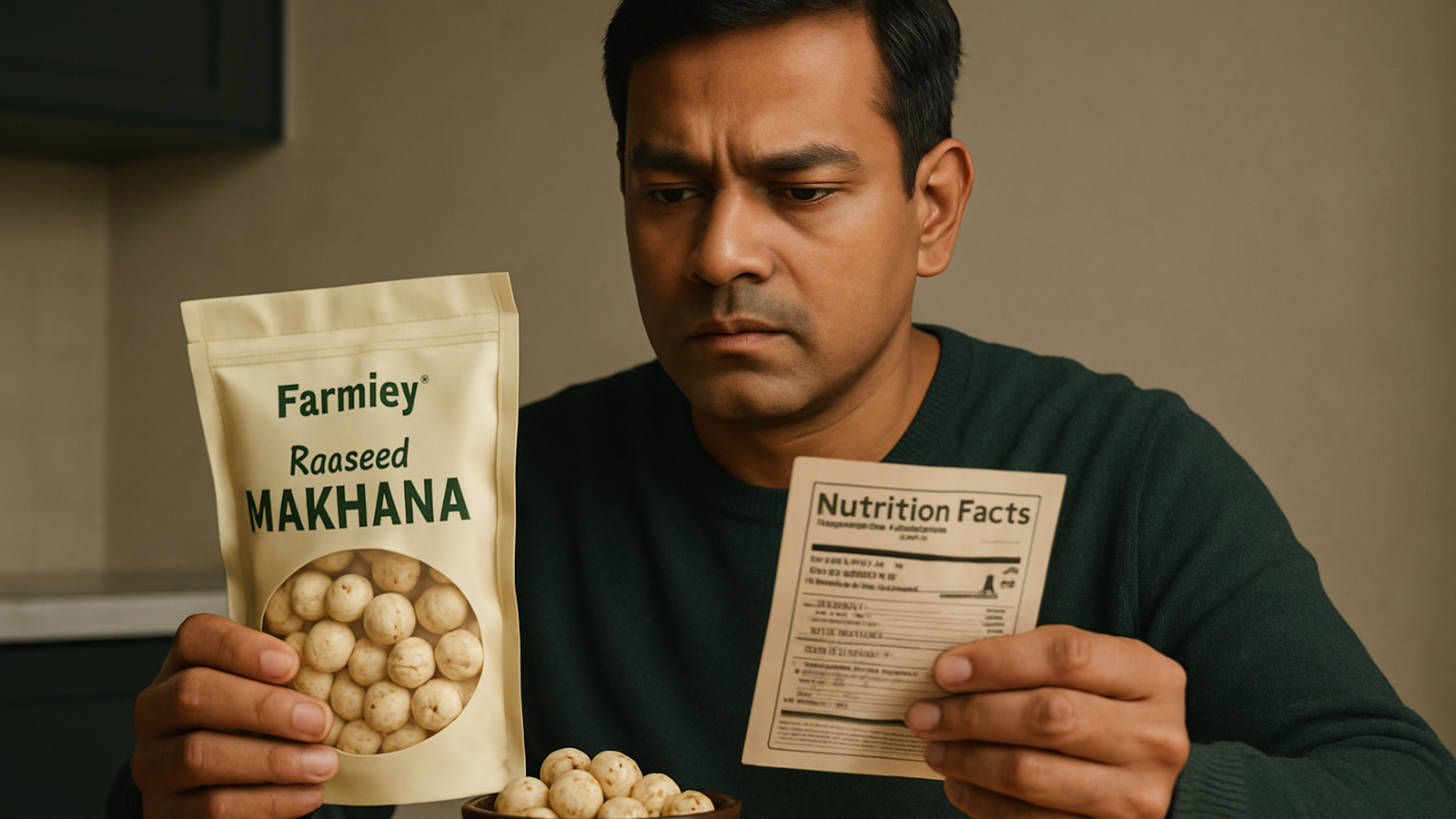
In India, FSSAI labelling and standards bind manufacturers; every packaged food sold legally must carry a Nutrition Facts panel. The FDA provides specific guidance on how to understand and use the Nutrition Facts label to assess nutrient content, and the principles translate across borders.
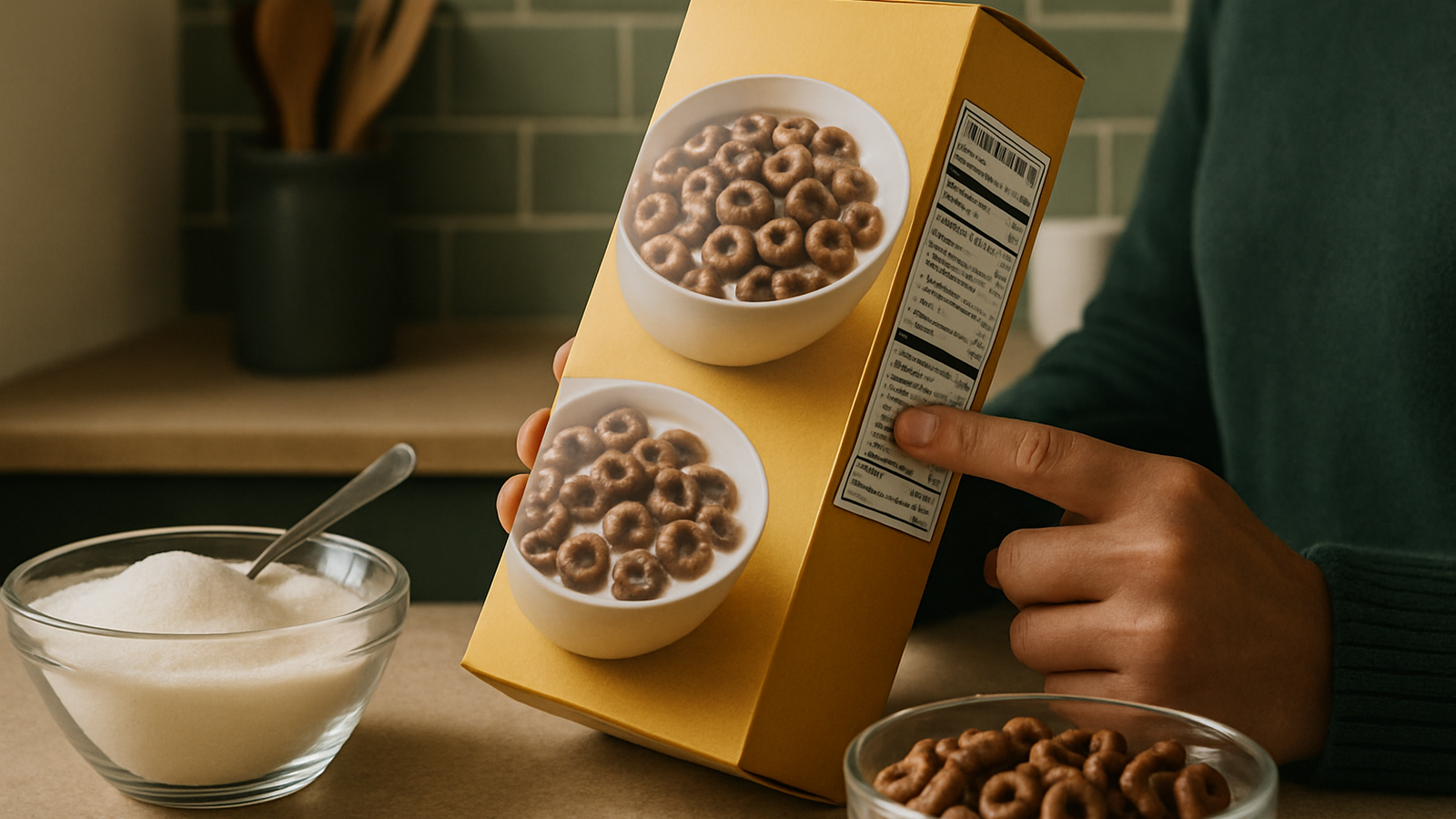
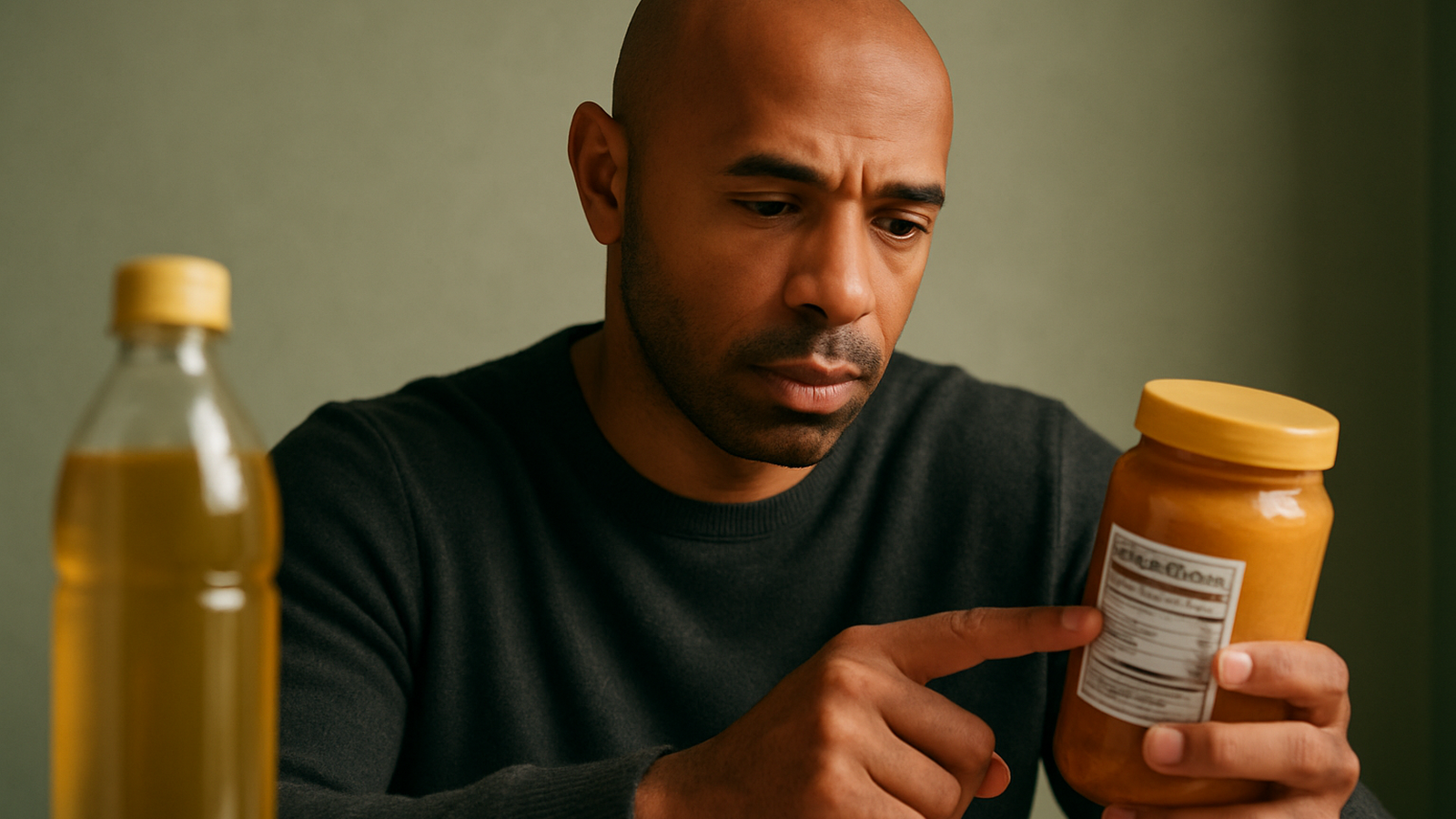
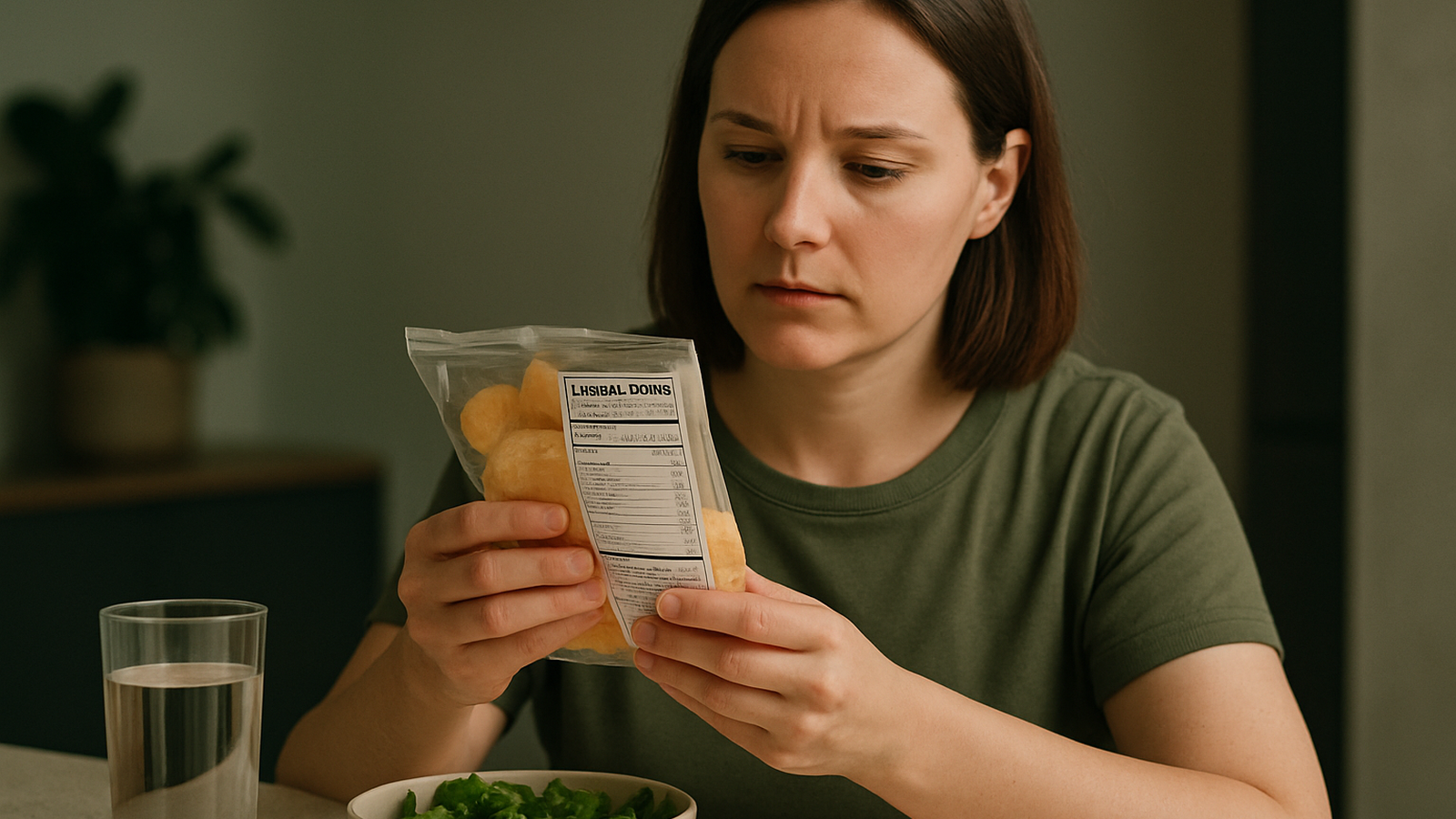
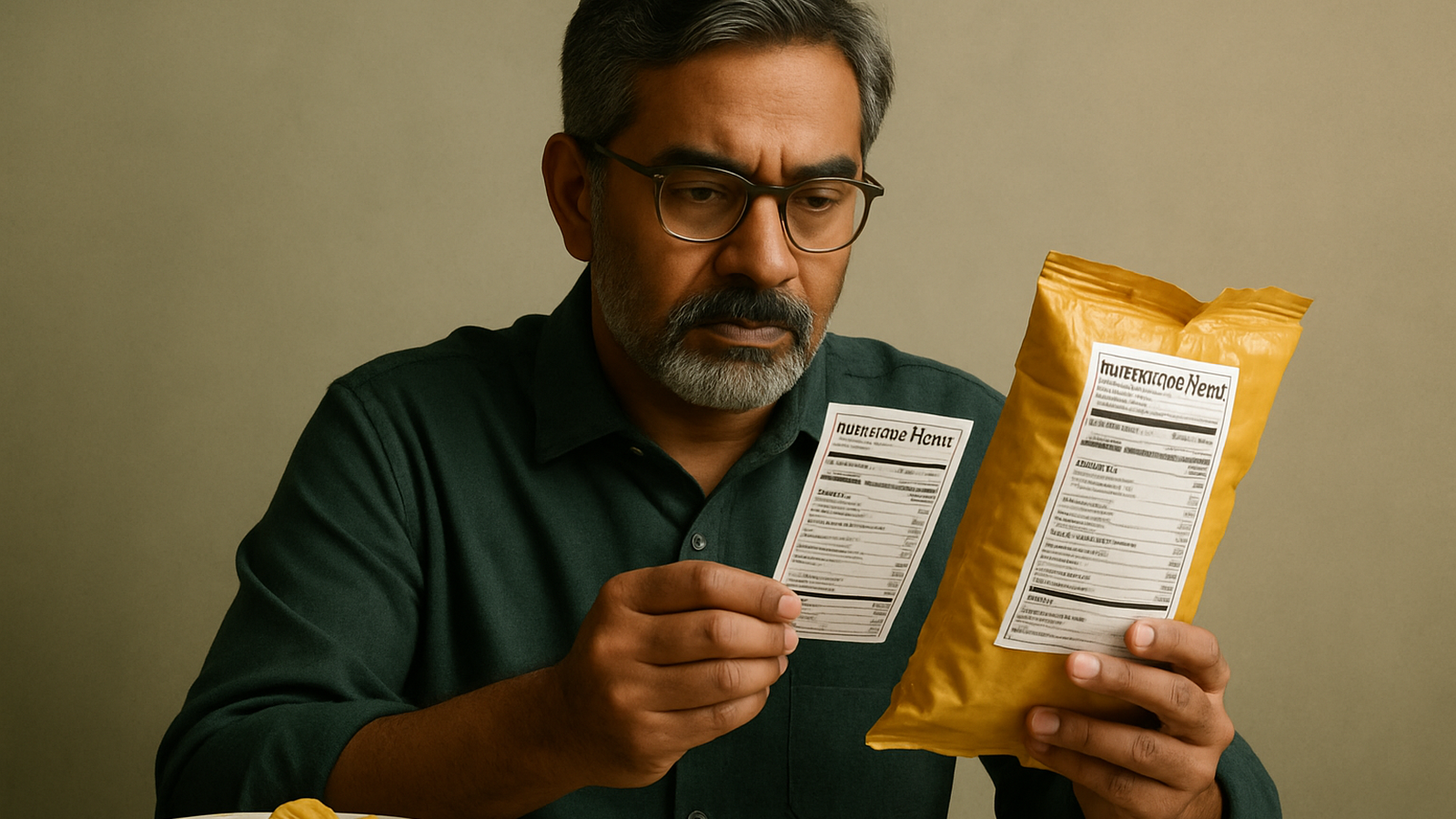
Turn any bottle or jar around. Look for the table, usually printed on the back or side. Inside that table, find the line that reads "Sodium" followed by a number in milligrams (mg) and a percentage. That milligram figure—sodium per serving—is the starting point for any assessment. It tells you how much salt (in the form of sodium) you'll consume if you use one serving of the product.
The percentage next to it is the Daily Value, a benchmark calculated against the total sodium an average adult should aim to stay under each day. Both numbers are mandatory. Both matter.
What 'high salt' actually means in regulatory terms
"High salt" isn't just a feeling or a taste—it has a threshold in food regulation. The FDA defines a food as high in sodium if it delivers 20 percent or more of the Daily Value per serving. That percentage is printed right on the label, so you don't need to calculate it yourself.
If the Nutrition Facts panel shows 25 percent Daily Value for sodium per serving, the product meets the regulatory definition of high-sodium. If it shows 8 percent, it doesn't. The number is specific, comparable, and the same across every packaged food in the category.
One crucial detail: "high salt" is a per-serving calculation, not a per-bottle judgment. A large bottle of ketchup might hold many servings. What counts is how much sodium you get in the tablespoon or teaspoon you actually use.
How to compare ketchup to ketchup, jam to jam—using the same two fields
Serving sizes are standardized within product categories—ketchups are typically measured per tablespoon, jams per gram or teaspoon. That standardization lets you line up two bottles side by side and compare their sodium-per-serving values directly.
If one ketchup lists 180 mg sodium per tablespoon and another lists 95 mg per tablespoon, the second is lower-sodium, full stop. If the serving sizes differ slightly—say, one brand uses 15 grams and another uses 17 grams—you can still normalize by checking the Daily Value percentage, which adjusts for the difference.
The habit is simple: check sodium per serving, then check Daily Value percentage—on every brand. Do it once in the aisle, and you'll know which product to reach for next time. Do it at home, and you'll know what's already in your kitchen.
What this label check will not tell you
This method gives you the sodium number and the regulatory threshold, but it does not provide medical advice for hypertension or kidney disease. If you have a diagnosed condition or your doctor has told you to limit sodium, the label is one input—your treatment plan is another, and they don't replace each other.
Label data also does not predict individual health outcomes or tell you whether to avoid a product entirely. A condiment that meets the "high sodium" threshold might still fit into a balanced diet if you use it sparingly, pair it with low-sodium foods, or simply account for it in your daily total.
And because no pack data for Kissan products was provided in the evidence, we cannot claim that Kissan products specifically are high-salt. The absence of a brand-specific verdict is not a flaw in the method—it's a reminder that the skill works only when you apply it to the actual pack in front of you.
If Kissan products—or any condiment—are already in your kitchen
Turn the bottle around. Locate the Nutrition Facts panel—it's required by law, so it's there. Find the line that says "Sodium," note the milligrams per serving, and check the percentage Daily Value next to it.
Compare that percentage to the 20 percent threshold explained earlier. If it's below, the product is not high-sodium by regulatory standards. If it's at or above, it is. Write down the number if it helps, or just remember it long enough to compare it to another brand next time you shop.
Repeat the process for other condiments on your shelf—ketchup, jam, pickle, sauce. You'll start to see the range, notice which categories tend higher, and build the habit of checking before you buy. The two fields—sodium per serving, Daily Value percentage—are all you need, and they're printed on every pack that FSSAI regulates.
No recall, no news alert, no expert required. Just the label, the threshold, and two minutes of your time.
Sodium in common condiments: what one serving delivers
Comparison basis: Per manufacturer-stated serving (typically 1 tablespoon or equivalent weight)
| Condiment type | Typical sodium per serving | % Daily Value | Label clue |
|---|---|---|---|
| Tomato ketchup | ~150–190 mg per tbsp | ~6–8% | Check if serving = 1 tbsp (15 g) |
| Soy sauce | ~900–1,000 mg per tbsp | ~38–43% | High-sodium; look for 'reduced sodium' variants |
| Pickle (Indian-style) | ~300–500 mg per 30 g | ~13–21% | Often meets high-sodium threshold |
| Fruit jam | ~5–15 mg per tbsp | ~<1% | Naturally low unless salt added |
| Mayonnaise | ~80–100 mg per tbsp | ~3–4% | Moderate; varies by brand |
| Chilli sauce | ~200–280 mg per tbsp | ~8–12% | Mid-range; compare brands directly |
| Mustard sauce | ~120–180 mg per tsp | ~5–8% | Serving size smaller than ketchup |
Values are approximate and vary by brand, recipe, and formulation. Always check the Nutrition Facts panel on the specific product you buy.




Comments
No login needed. Keep it kind — abusive language is filtered.