
The Food Safety and Standards Authority of India has ordered beverage manufacturers to stop using the term "energy drink" on their packaging within 90 days. The directive applies to major brands including Pepsi, Red Bull, and Monster, but the regulator has not publicly explained the reasoning behind the label ban, specified what alternative terminology companies should use, or indicated whether product formulations must change.
This leaves consumers with a straightforward question: does removing the words "energy drink" from a can mean anything inside the can has changed?
What the directive says—and what it doesn't
FSSAI has given beverage companies 90 days to remove the "energy drink" label from their products. The order affects Pepsi, Red Bull, Monster, and other brands currently marketing products under that name in India.
What the directive does not include: a public explanation of why the label is being banned, guidance on what term should replace it, or any requirement to alter ingredients or formulations. No safety recall or health alert accompanies the order. The current news reports do not clarify whether this is a permanent ban on the terminology or a temporary suspension pending further regulatory review.
Why a label change might—or might not—signal a product change
Label mandates can stem from different regulatory concerns. Sometimes they follow ingredient bans or new safety findings. Sometimes they reflect a reclassification of product categories or tighter marketing standards. Sometimes they address misleading claims.
This directive does not specify ingredient restrictions. No disclosed health findings prompted the order. No safety recall has been issued. Unless FSSAI releases additional rules governing formulations, the beverages sold under new labels may remain chemically identical to those sold under the old ones.
The label is changing. Whether the product is changing remains unclear.
What 'energy drink' means on a pack right now—and what it doesn't guarantee
In Indian food regulation, "energy drink" is not a legally defined nutritional category with fixed ingredient rules. The term typically signals caffeine and added sugars, but the actual composition varies widely across brands and even within a single brand's product line.
Some products marketed as energy drinks contain high doses of caffeine, taurine, B vitamins, and sugar. Others use artificial sweeteners. Some add herbal extracts or amino acids. The "energy drink" label itself does not guarantee any particular ingredient profile.
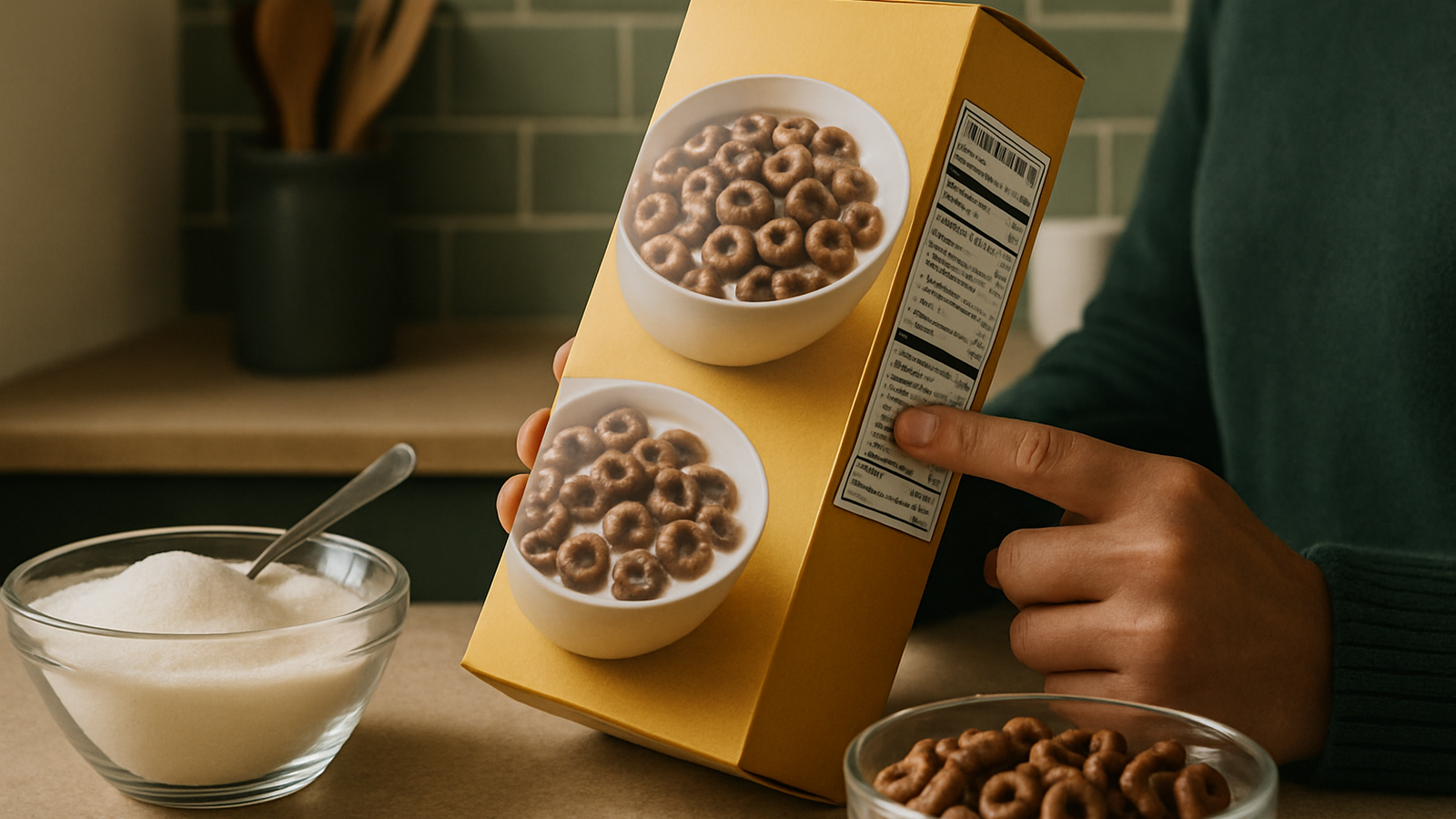
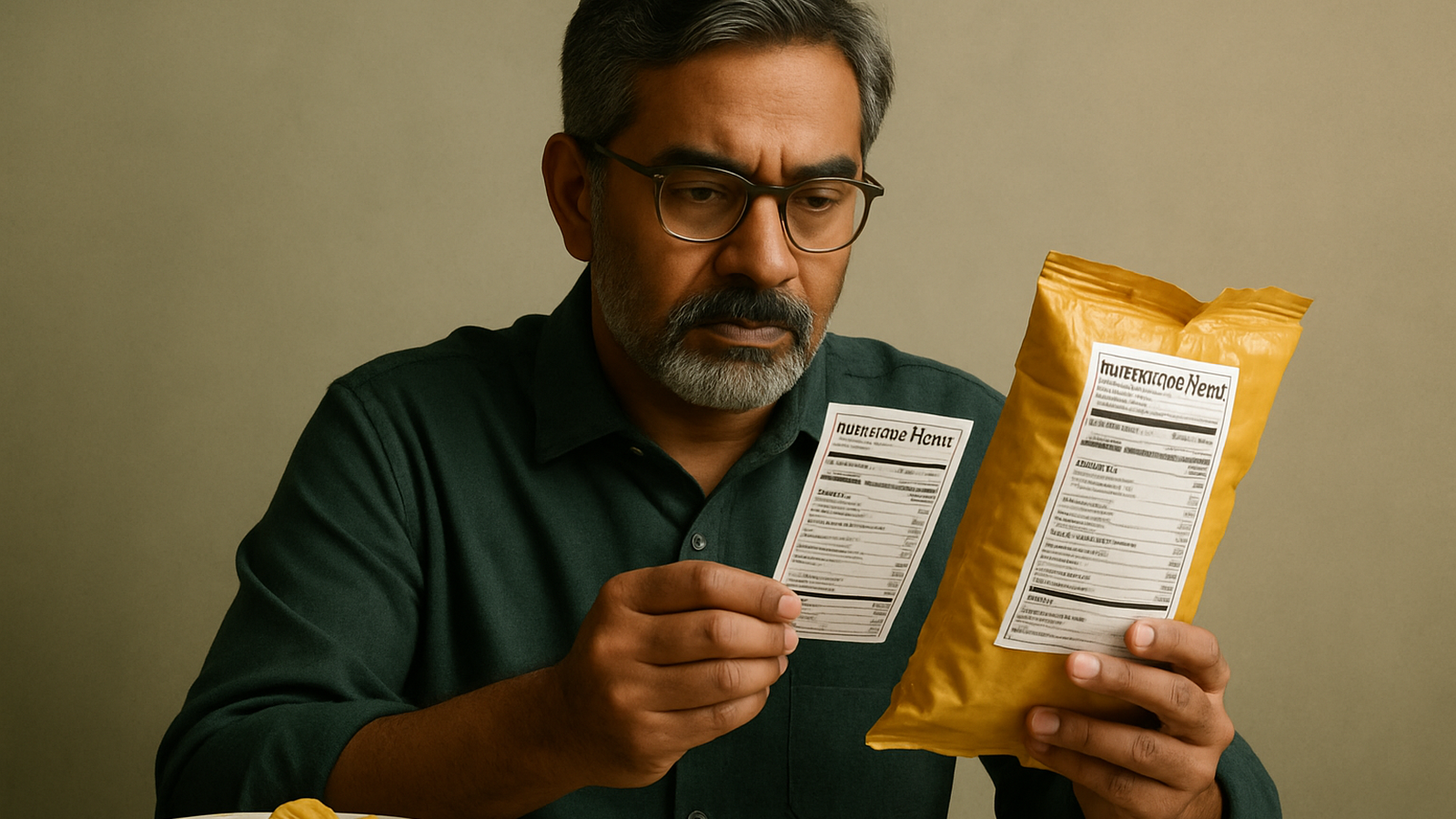
The nutrition facts panel and ingredient list remain the only mandatory disclosure tools that tell you what is actually in the can.
How to check what's actually in the can—before and after the label change
The front-of-pack terminology may change, but the nutrition facts panel and ingredient list will not disappear. These tools work regardless of whether the product calls itself an energy drink, a caffeinated beverage, or something else entirely.
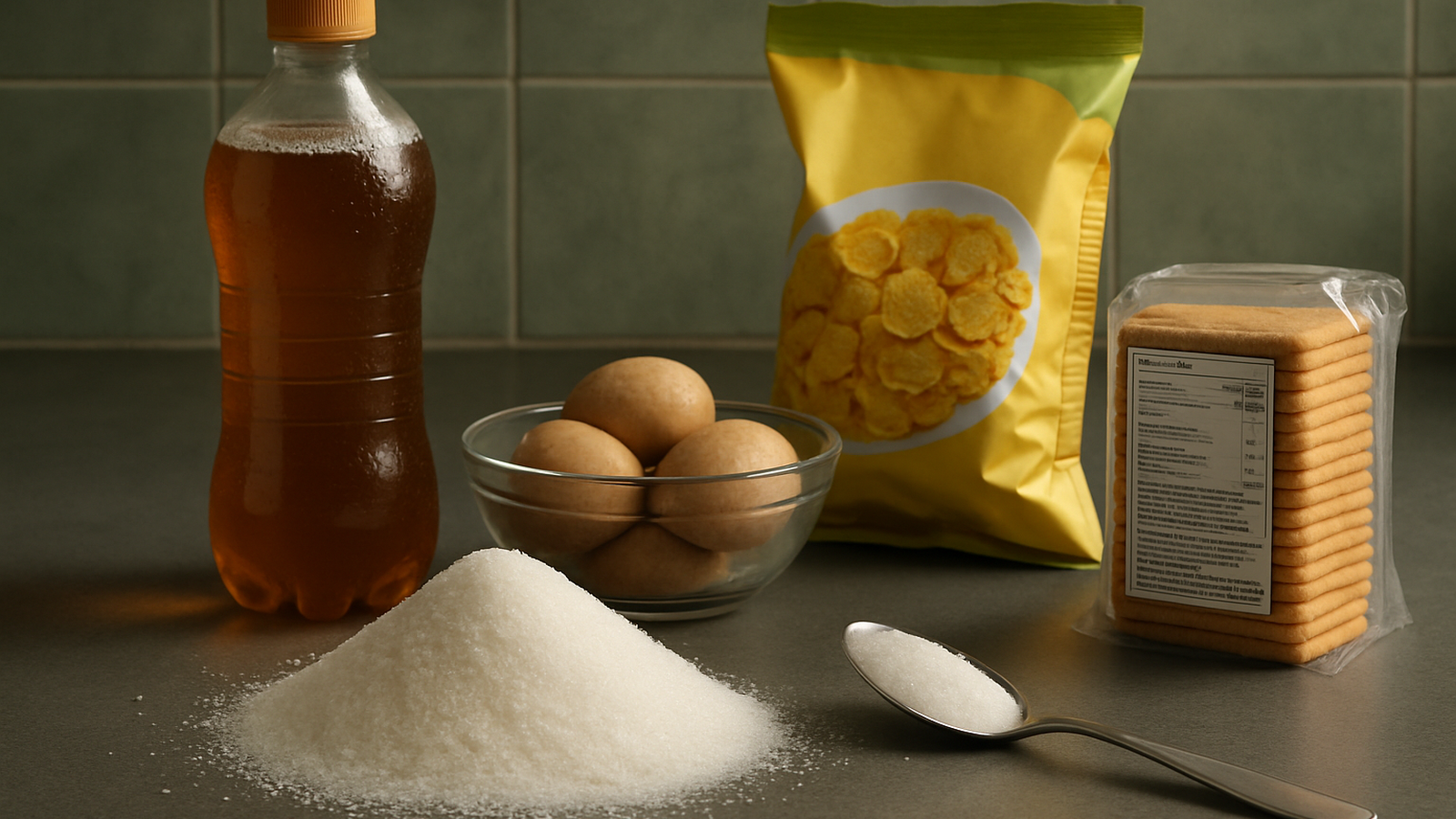
Check the "Total Sugars" and "Added Sugars" lines on the nutrition panel. A single can often contains 25 to 50 grams of added sugar—roughly six to twelve teaspoons.
Look for caffeine content if disclosed. Not all products list it, as caffeine labeling is not always mandatory, but many brands do. A typical energy drink contains 80 to 160 milligrams of caffeine per serving, comparable to a strong cup of coffee.
Read the ingredient list for stimulants beyond caffeine—taurine, guarana, ginseng—as well as sweeteners, colors, and preservatives. Compare across brands using the same serving size, since can sizes vary.
These checks remain valid before and after the label change.
What this directive does not tell you to do
FSSAI has not instructed consumers to stop buying these products. No health warning has been issued. No evidence has been disclosed suggesting that current products on shelves are unsafe.
A label change is not the same as a recall. The directive governs packaging language, not consumer behavior. If the regulator had identified a safety risk, the order would likely include a public health advisory, ingredient restrictions, or a market withdrawal—none of which have been announced.
Where to watch for the new labels—and the missing details
New labels should begin appearing within the 90-day window. Check the FSSAI website for regulatory updates, clarifications on alternative labeling terms, or any disclosure of the reasoning behind the directive. Brand websites may also announce relabeling plans as the deadline approaches.
No timeline has been provided for when—or whether—FSSAI will explain the rationale for the ban or specify what terminology is acceptable going forward.
Caffeine and sugar in common products (check your current cans)
To establish a baseline before labels change, here are typical values for popular products. These are examples; always check your specific product label, as formulations and serving sizes vary.
Red Bull (250 ml can): approximately 80 mg caffeine, 27 g sugar
Monster Energy (473 ml can): approximately 160 mg caffeine, 54 g sugar
Pepsi energy variants (various sizes): caffeine and sugar content vary by product line
For context, an 8-ounce cup of brewed coffee contains roughly 95 mg caffeine. A 12-ounce can of cola contains about 35 mg caffeine and 39 g sugar. A cup of black tea contains about 47 mg caffeine.
These comparisons help you assess what you are consuming now—and notice if anything changes after the labels do.
The 90-day clock is running. The labels will change. What remains to be seen is whether the bottles will.
Caffeine and sugar in drinks you might call 'energy drinks'
Comparison basis: Values per container or cup as sold
| Beverage | Serving size | Caffeine | Added sugar | Compare to |
|---|---|---|---|---|
| Red Bull | 250 ml can | ~80 mg | ~27 g | Strong coffee caffeine, 7 tsp sugar |
| Monster Energy | 473 ml can | ~160 mg | ~54 g | Two coffees caffeine, 13 tsp sugar |
| Brewed coffee | 240 ml cup | ~95 mg | 0 g | No sugar unless added |
| Cola (regular) | 355 ml can | ~35 mg | ~39 g | One-third coffee caffeine, 10 tsp sugar |
| Black tea | 240 ml cup | ~47 mg | 0 g | Half coffee caffeine, no sugar |
| Iced coffee (sweetened) | 473 ml bottle | ~150 mg | ~40 g | Similar caffeine to large energy drink |
Values are approximate and vary by brand, recipe, and preparation. Check your product's nutrition panel for exact amounts. 1 teaspoon sugar ≈ 4 grams.


Comments
No login needed. Keep it kind — abusive language is filtered.