What FDA has confirmed—and what it hasn't
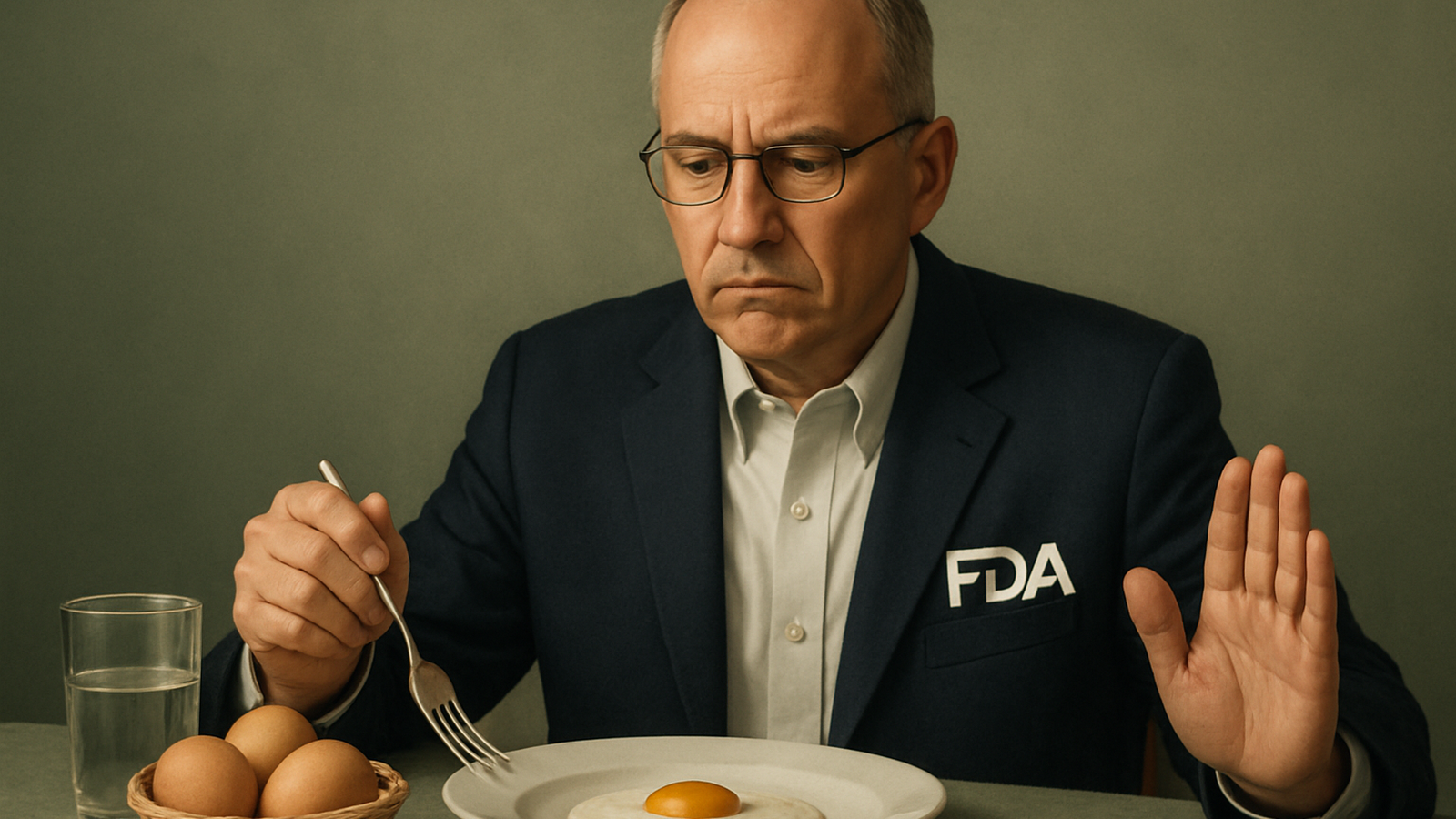
A Salmonella outbreak linked to eggs has sickened 98 people across 17 states since November, according to the FDA. The agency has confirmed eggs as the source of the infections and is actively monitoring the situation.
What the FDA has not released: which brand, which production facilities, or which package dates are involved. That means households cannot yet check whether eggs in their refrigerator are part of the outbreak. The absence of product identification leaves consumers in a frustrating position—aware of the risk but unable to pinpoint it.
The outbreak has been ongoing for months, but the investigation is still working to trace contaminated eggs back to their source.
Why you can't check your refrigerator yet—but should prepare to
Identifying contaminated eggs requires specific traceability data: brand name, plant codes stamped on cartons, and pack dates. This information allows the FDA to issue a targeted recall that tells you exactly which products to discard.
Outbreak investigations take time. Epidemiologists must interview patients about what they ate, collect purchase records, and trace eggs through a complex distribution network. Even when investigators suspect a source, they must confirm it with laboratory evidence before naming products publicly.
When the FDA does identify specific eggs, the announcement will appear on the agency's outbreak investigation page and through its recall alert system. Until then, the lack of brand information doesn't mean the investigation has stalled—it means traceback work is still underway.
Salmonella from eggs: what the infection looks like and when to worry
Because you can't yet identify affected products, recognizing Salmonella symptoms becomes critical. Most people develop diarrhea, fever, and stomach cramps 6 to 72 hours after exposure. The illness typically lasts four to seven days, and most recover without medical treatment.
Seek medical care if you experience severe diarrhea that doesn't improve after a few days, bloody diarrhea, a fever above 102°F, or signs of dehydration. Young children, adults over 65, and people with weakened immune systems face higher risk of severe infection and should contact a healthcare provider sooner if symptoms develop.
If you've eaten eggs recently and develop these symptoms, mention the possible egg exposure to your doctor. This helps clinicians make faster diagnostic decisions and helps public health officials track the outbreak's scope.
Safe egg handling while brand details remain unknown
Without product identification, your best protection is rigorous safe handling of all eggs. These practices reduce risk but don't eliminate it if eggs are contaminated at the source.
Cook eggs until both yolk and white are firm, reaching an internal temperature of 160°F. Scrambled eggs should be cooked until no visible liquid egg remains. Avoid runny yolks, soft scrambles, and any preparation that leaves raw or undercooked egg.
Skip recipes that use raw eggs: homemade mayonnaise, Caesar dressing, cookie dough, and eggnog made with uncooked eggs. If a recipe requires raw eggs, use pasteurized eggs instead—pasteurization kills Salmonella.
Keep eggs refrigerated at 40°F or below. Don't leave egg dishes at room temperature for more than two hours (one hour if the room is above 90°F). Wash hands, utensils, and surfaces that touched raw eggs with hot, soapy water before they contact other foods.
These steps reduce your risk with any eggs, whether or not they're part of this outbreak. But they're not a guarantee—Salmonella inside an egg can survive undercooking, which is why product identification and removal matter.
How to track the investigation without refreshing news sites
The FDA maintains an outbreak investigation page that updates as new information becomes available. When the agency identifies specific products, that page will list brand names, package codes, and where the eggs were sold.
You can sign up for FDA recall alerts to receive notifications when food recalls are announced. These alerts deliver product details directly, so you don't have to monitor news coverage or wonder whether you've missed an update.
A formal recall notice will include everything you need: the brand name, the plant code (usually stamped on the carton end), pack dates or sell-by dates, and the states where the eggs were distributed. Match those details against any eggs in your refrigerator. If they match, discard them.
Until that notice arrives, checking your eggs means checking for general signs of spoilage—cracks, off odors, unusual appearance—but those won't tell you whether eggs carry Salmonella. The bacteria doesn't change how eggs look, smell, or taste.
What this outbreak does not yet tell us
The FDA has not released data on how many of the 98 cases required hospitalization or how severe the illnesses have been. Without that information, it's impossible to characterize this outbreak's severity compared to others.
This outbreak does not indicate that eggs overall have become less safe or that Salmonella contamination is increasing. It represents a specific contamination event tied to eggs from a source not yet publicly identified. Most eggs in commerce remain safe.
The case count may change as the investigation continues. Some people recover without seeking medical care or getting tested, so reported cases likely undercount total illnesses. Conversely, some reported cases may be unrelated infections that initial interviews linked to eggs but further testing rules out.
Seventeen states have reported cases, but that doesn't mean eggs were sold in only those states. Distribution patterns often span wider areas than where illnesses are detected, which is why a recall—when it comes—may cover additional states as a precaution.
The absence of brand information is not evidence that the outbreak is small, contained, or resolved. It's evidence that the investigation is ongoing.
---
What you can do now: Cook all eggs thoroughly, watch for Salmonella symptoms if you've recently eaten eggs, and bookmark the FDA's outbreak page so you're ready to check your refrigerator the moment product details are released. The brand name will come—until it does, careful handling is your best defense.
Safe egg handling: what kills Salmonella and what doesn't
Comparison basis: Typical home preparation methods
| Preparation method | Internal temp reached | Salmonella risk | Safe alternative |
|---|---|---|---|
| Sunny-side up (runny yolk) | ~140°F | High—yolk undercooked | Cook until yolk is firm |
| Soft scrambled eggs | ~150°F | Moderate—liquid egg remains | Cook until no liquid visible |
| Hard-boiled (fully cooked) | 160°F+ | Safe when cooked properly | Boil 10+ min, cool quickly |
| Homemade mayonnaise | No heat | High—raw egg used | Use pasteurized eggs |
| Cookie dough (unbaked) | No heat | High—raw egg used | Use pasteurized eggs or egg-free recipe |
| Baked goods (fully baked) | 160°F+ | Safe—heat kills bacteria | Bake to recipe temperature |
| Store-bought Caesar dressing | Pasteurized | Safe—pasteurization kills bacteria | Check label for pasteurized eggs |
Internal temperatures are approximate and depend on cooking method and duration. Pasteurization kills Salmonella. When outbreak details are unknown, thorough cooking (160°F) is your best protection.






Comments
No login needed. Keep it kind — abusive language is filtered.