The viral claim—and what it doesn't define
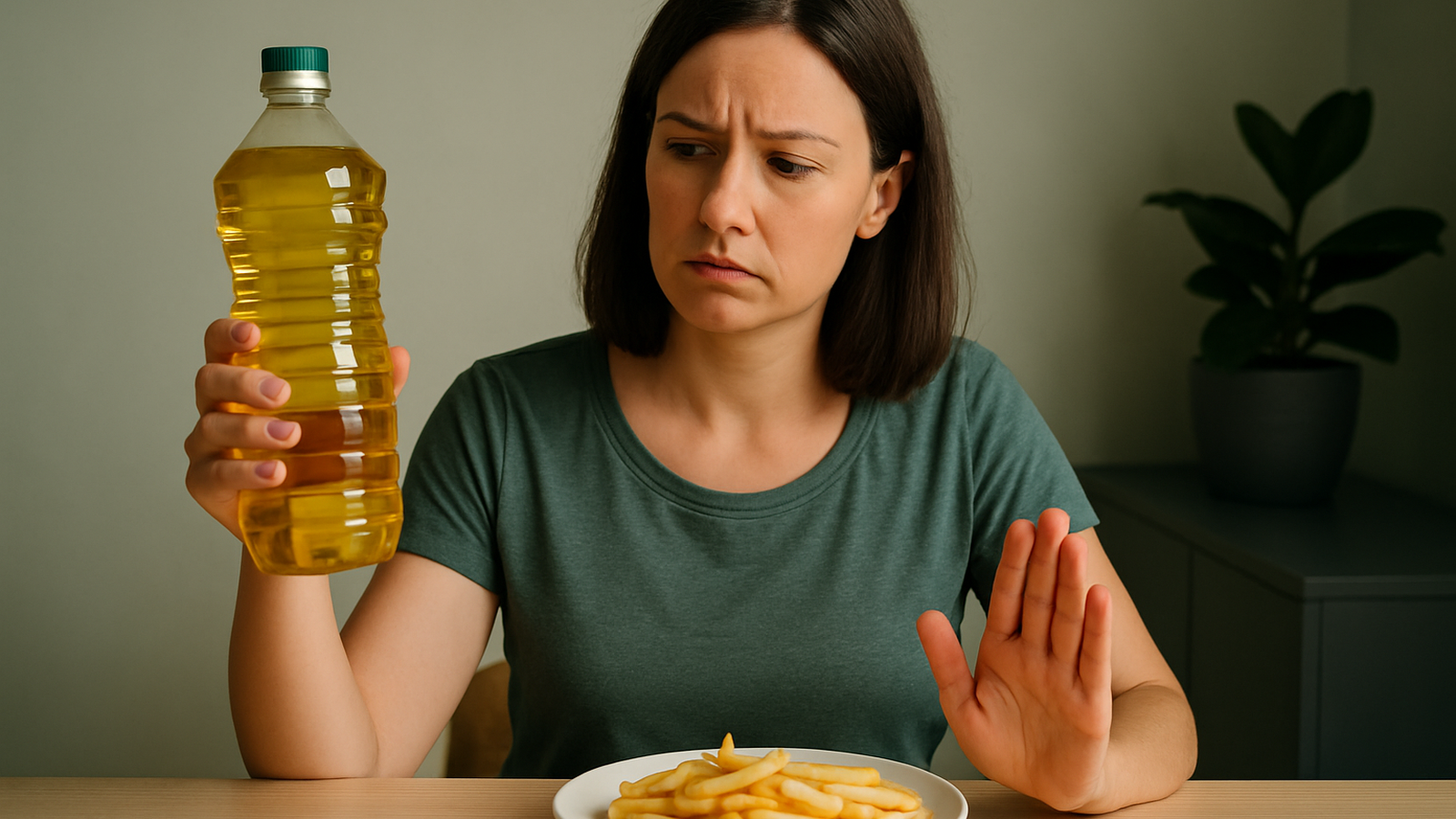
A wave of TikTok videos has labeled common seed oils—canola, soybean, and sunflower oil—as "toxic" to human health. The posts urge viewers to purge their pantries, often with urgent language and dramatic reveals of ingredient labels.
What these viral claims consistently fail to supply: a definition of the alleged toxin, a biological mechanism for harm, or verifiable scientific evidence. The videos name the oils but not the danger. They warn of toxicity without specifying what makes these particular fats toxic, or at what dose, or through which pathway in the body.
That absence matters, because three of the world's most authoritative health organizations say something entirely different about these same oils.
What three major health bodies actually recommend
The American Heart Association favors liquid plant oils over tropical oils and partially hydrogenated fats. Its guidance explicitly supports the use of unsaturated plant oils as part of a heart-healthy diet.
The World Health Organization encourages the consumption of unsaturated fats and advises limiting saturated and trans fats. This is not a marginal position—it appears in WHO's core healthy diet guidance.
Harvard's evidence synthesis prefers replacing saturated fat with unsaturated plant oils. The university's Nutrition Source reviews decades of research and concludes that this swap improves health outcomes.
These are not fringe opinions. They represent the institutional consensus of cardiology, public health, and nutrition science. And they directly contradict the viral "toxic seed oil" narrative.
Why 'unsaturated' matters in your kitchen
Unsaturated fats are a category of fatty acids with specific chemical structures that influence how they behave in the body. The common seed oils flagged in viral videos—canola, soybean, sunflower—are high in these unsaturated fats.
The health guidance is not that unsaturated oils are miraculous. It's that they perform better than saturated fats when used as replacements. Saturated fats are concentrated in butter, coconut oil, palm oil, and animal fats. Swapping some of those for unsaturated plant oils aligns with the evidence synthesis from major health bodies.
In practical terms, this might mean sautéing vegetables in canola oil instead of butter, or using sunflower oil in salad dressing instead of coconut oil. These are the kitchen-level replacements the institutional guidance supports.
The nuance viral posts skip: storage, heat, and moderation
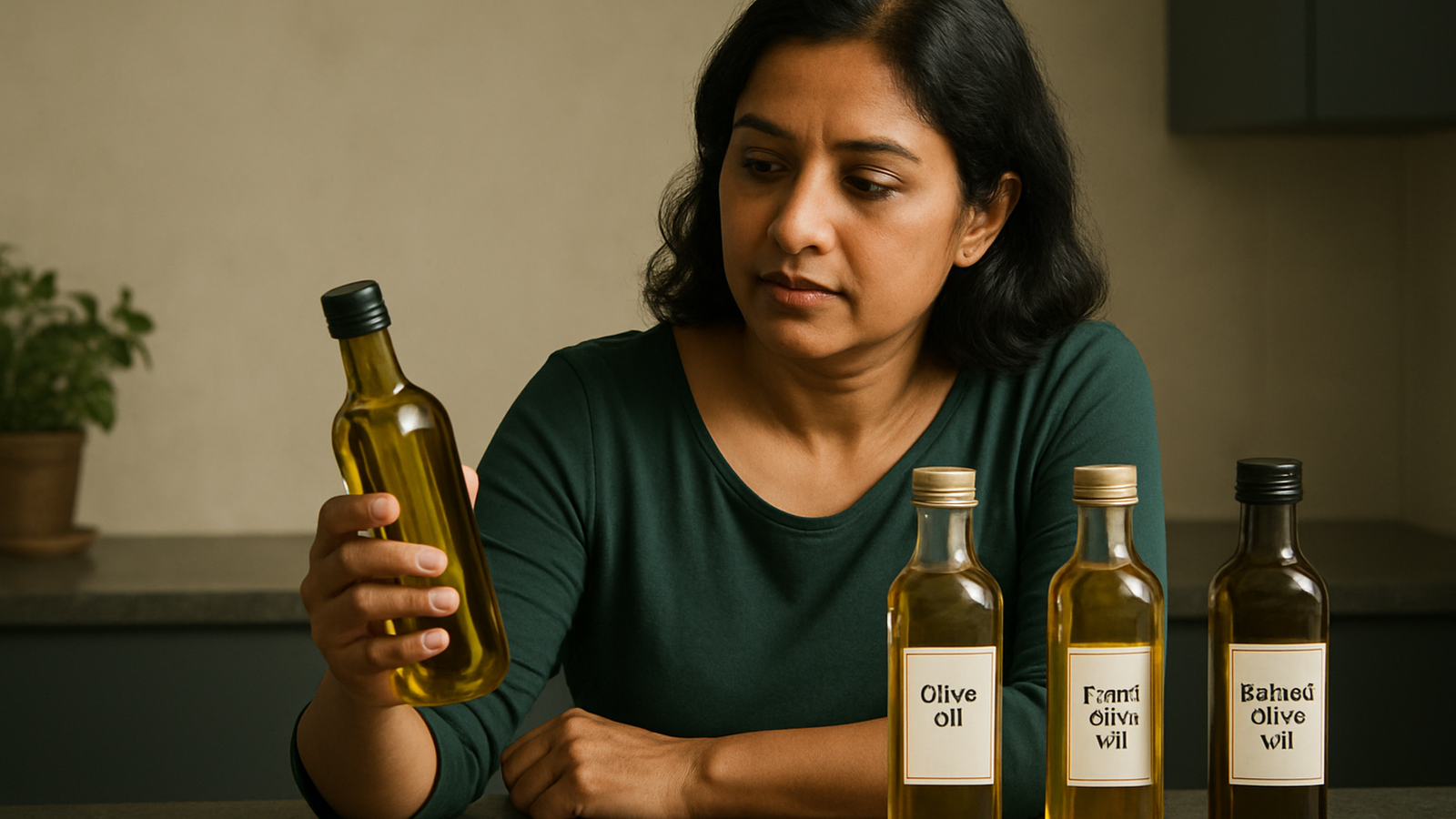
No cooking oil is maintenance-free, and unsaturated plant oils do require proper handling. Oils can go rancid if stored incorrectly—exposure to light, heat, and air degrades them over time. A dark pantry and a tightly sealed bottle prevent this.
Different oils have different smoke points, the temperature at which they begin to break down and smoke. Canola and sunflower oils tolerate moderate heat well; extra-virgin olive oil is better for low-heat cooking or finishing dishes. Matching oil to cooking method matters.
And all fats, regardless of type, are calorie-dense. Moderation applies universally. The institutional guidance favoring unsaturated plant oils is about replacement, not unlimited consumption.
The evidence verdict on "seed oils are toxic" does not extend to oils that have been improperly stored, repeatedly heated to smoking, or used past their expiration date. Rancid oil is not the same product as fresh oil, and the health guidance assumes proper use.
If you've already cleared your pantry
If viral claims prompted you to discard your canola or sunflower oil, restocking with unsaturated plant oils is consistent with the guidance from the American Heart Association, WHO, and Harvard. Your concern about what you cook with is reasonable—evidence helps direct it toward choices that institutional consensus supports.
For everyday cooking, canola oil handles moderate heat and has a neutral flavor. For salad dressings and drizzling, extra-virgin olive oil adds flavor and fits the unsaturated profile. For higher-heat cooking, refined sunflower or avocado oil works well. These are practical choices that align with the evidence synthesis favoring unsaturated fats over saturated ones.
You do not need to use these oils exclusively, and you do not need to fear trace amounts of saturated fat. The guidance is about the overall pattern of fat intake, not perfection in every meal.
What this verdict rests on—and what remains debated
The institutional consensus favoring unsaturated plant oils over saturated fats is broad and consistent. It spans cardiology, public health, and nutrition science. It rests on decades of evidence synthesis, not a single study or a narrow data set.
The viral "toxic seed oil" claims supply no verifiable mechanism, no defined toxin, and no supporting evidence that meets scientific standards. The contrast is stark.
This does not mean every question about dietary fats is settled. Researchers continue to investigate omega-6 to omega-3 ratios, oxidation processes during cooking, and individual variation in fat metabolism. Those are legitimate areas of inquiry. But none of that ongoing research supports labeling common seed oils as toxic, and none of it contradicts the institutional guidance to favor unsaturated plant oils over saturated fats.
This verdict is not a dismissal of all questions about what you cook with. It is a specific conclusion about a specific claim: the evidence does not support the viral narrative that seed oils are toxic. What it does support is the replacement of saturated fats with unsaturated plant oils as part of a balanced diet.
If you see "toxic seed oil" warnings on TikTok, you now know what three major health authorities say instead—and what the evidence actually backs up in your kitchen.
Common cooking fats: saturated vs unsaturated content
Comparison basis: per tablespoon (approximately 14g)
| Fat/Oil | Primary fat type | Saturated fat (per tbsp) | Best kitchen use |
|---|---|---|---|
| Canola oil | Unsaturated | ~1g | Everyday sautéing, baking |
| Sunflower oil | Unsaturated | ~1g | High-heat cooking, frying |
| Extra-virgin olive oil | Unsaturated | ~2g | Dressings, low-heat cooking |
| Avocado oil | Unsaturated | ~2g | High-heat roasting, grilling |
| Butter | Saturated | ~7g | Occasional flavor, baking |
| Coconut oil | Saturated | ~12g | Occasional baking, flavor |
| Palm oil | Saturated | ~7g | Often in processed foods |
Values are approximate and vary by brand and processing. Health guidance favors replacing saturated fats with unsaturated options, not eliminating saturated fats entirely.






Comments
No login needed. Keep it kind — abusive language is filtered.