
Why 'sugar-free' doesn't answer the question you're actually asking
When you pick up a yogurt cup stamped "sugar-free," the label tells you the product meets a legal threshold for sugar content. It does not tell you whether the product supports weight loss, improves your family's health, or addresses the concerns you've read in recent headlines about cognitive decline and liver damage.
That disconnect creates confusion. Recent news reports have mixed safety approvals with emerging studies on health outcomes, leaving shoppers unsure whether to trust regulatory bodies or avoid sweeteners altogether. The truth requires separating two distinct questions: Are approved artificial sweeteners safe for your household? And do sugar-free products help with weight control?
The answers are not the same.
What FDA approval actually means—and what it doesn't
The FDA considers approved high-intensity sweeteners safe for the general population under labeled conditions of use. This evaluation focuses on safety—whether a substance causes harm when consumed at typical levels—not whether it delivers health benefits or supports weight loss.
"Acceptable daily intake" is the amount you could consume every day over a lifetime without expected risk. For context, a 150-pound adult would need to drink approximately 19 cans of diet soda daily to approach the acceptable daily intake for aspartame, one of the most studied sweeteners.
Approval does not mean endorsement. The FDA has determined these substances do not pose safety concerns under normal use, but that regulatory position does not extend to claims about weight control, metabolic health, or overall diet quality.
The WHO position that changes your shopping strategy
The World Health Organization advises against using non-sugar sweeteners for long-term weight control. Instead, the WHO recommends focusing on overall diet quality—whole foods, minimally processed ingredients, and eating patterns that do not rely on intensely sweet flavors, whether from sugar or substitutes.
The American Heart Association reinforces this guidance: diet drinks are not a free pass for ultraprocessed dietary patterns. Swapping regular soda for diet soda does not transform a low-quality diet into a healthy one. The ingredient doing the sweetening matters less than the broader context of what you eat.
This creates a practical tension. A sweetener can be safe and still not serve your goals. If you are buying sugar-free products to lose weight or improve metabolic health, the evidence does not support that strategy.
The aspartame classification that drove headlines—and what it actually says
In 2023, the WHO's International Agency for Research on Cancer classified aspartame as possibly carcinogenic to humans based on limited evidence. That classification triggered widespread concern, but it does not mean aspartame causes cancer in your household.
"Possibly carcinogenic" is a hazard category, not a risk assessment. It reflects the strength of available evidence, not the likelihood of harm at real-world consumption levels. Limited evidence means the research is suggestive but not conclusive—individual studies show associations, but broader scientific consensus has not established a definitive causal link.
At the same time, the Joint FAO/WHO Expert Committee on Food Additives reviewed the same evidence and maintained the acceptable daily intake for aspartame, concluding that consumption within established limits does not pose a safety concern.
This classification does not change FDA approval or household safety guidance. It highlights uncertainty in emerging research, but it does not provide grounds to eliminate aspartame from your family's diet based on cancer risk.
Twelve sweetener names that hide behind 'sugar-free'—how to spot them
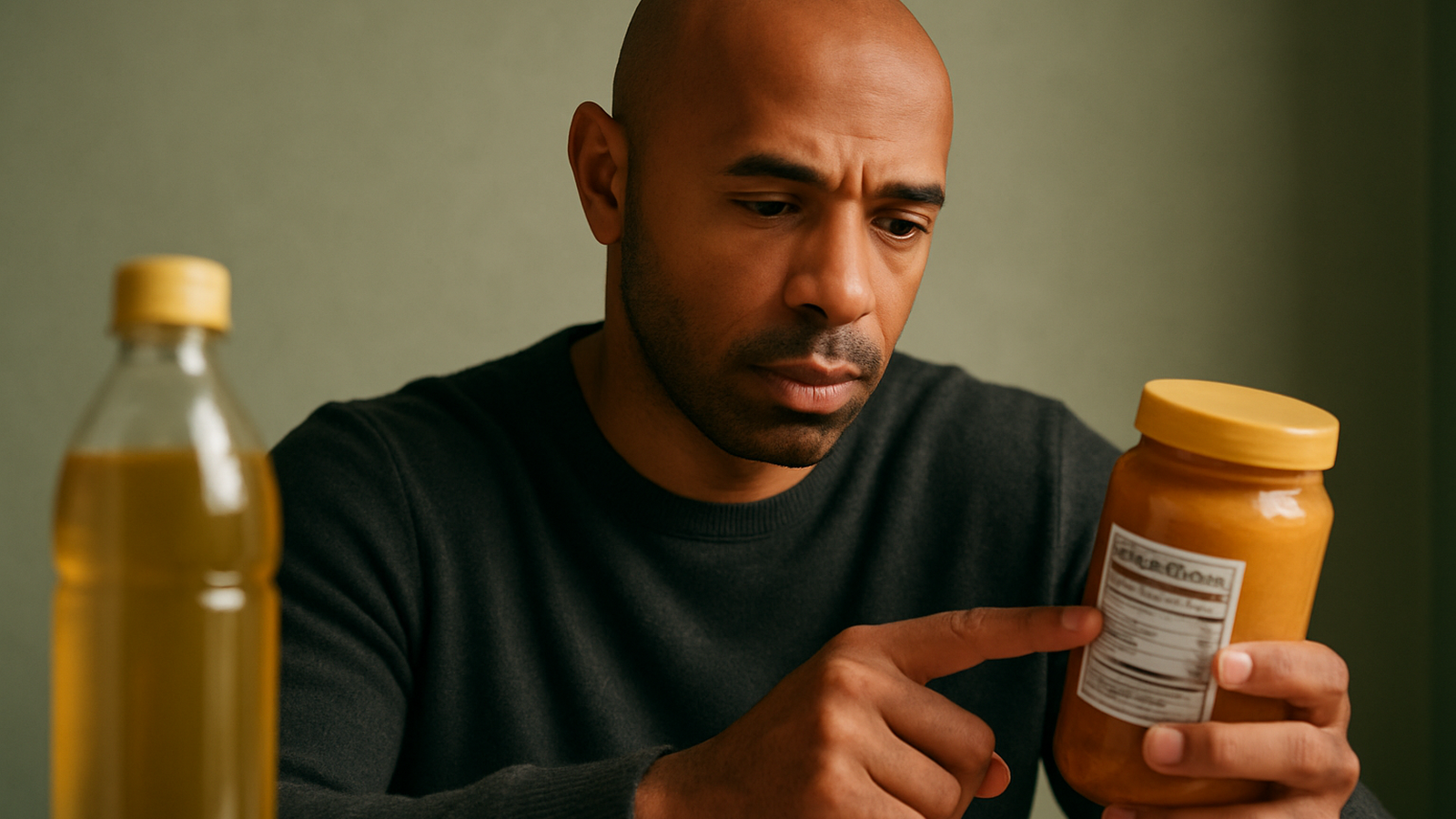
The front of the package says "sugar-free." The ingredient panel tells you what replaced the sugar. Learning to identify these names gives you control over what you bring home, regardless of marketing claims.
Common high-intensity sweeteners that appear on ingredient lists include aspartame, sucralose, acesulfame potassium (often listed as acesulfame K), saccharin, neotame, advantame, stevia (or steviol glycosides), monk fruit extract, erythritol, xylitol, sorbitol, and mannitol.
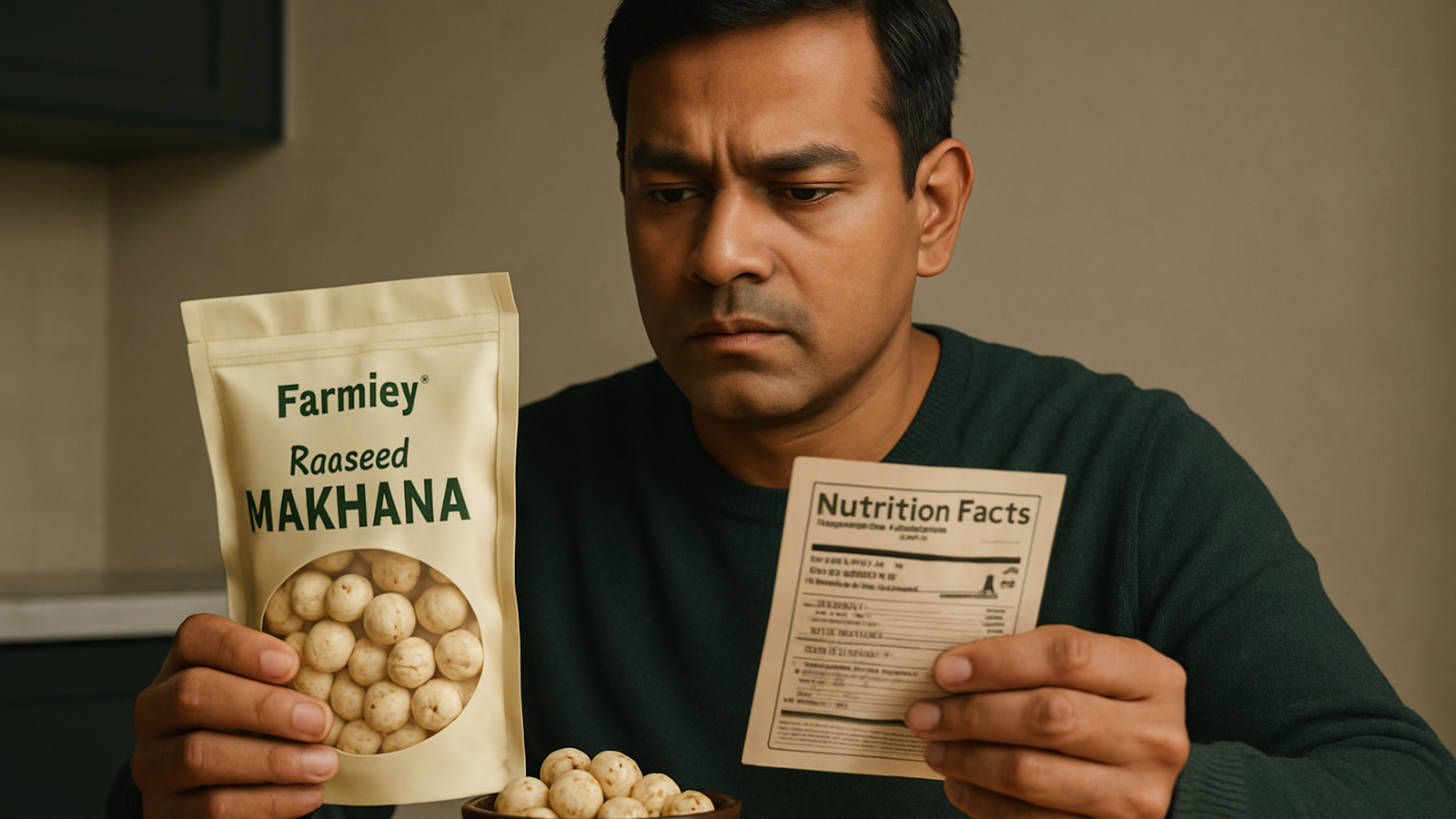
To scan an ingredient panel in three steps: First, check the list for any of these names. Second, note where they appear—ingredients are listed by weight, so sweeteners near the top indicate a product heavily reliant on substitutes. Third, consider whether the product is replacing a whole food or adding sweetness to an already ultraprocessed item.
The ingredient list matters more than the front-of-pack "sugar-free" promise. Two products with identical front labels can contain entirely different sweeteners, and some use blends of multiple substitutes.
What the evidence does not support—and why that matters for your cart
There is no definitive causal link between specific artificial sweeteners and cognitive decline in humans. Individual studies have suggested associations, but these require broader consensus before becoming household guidance. Research in this area is ongoing, and single studies do not represent scientific agreement.
This creates a conflict between media reports and regulatory positions. News coverage often emphasizes potential risks—cognitive effects, liver health concerns—while the FDA maintains that approved sweeteners are safe for the general population under labeled use. Both can be true: emerging research may identify areas for further study without overturning established safety evaluations.
For your household, this means headlines about cognitive decline or liver damage do not provide sufficient grounds to eliminate all sugar-free products. The evidence is not there yet. At the same time, the absence of definitive harm does not mean these products support your health goals.
If you're buying sugar-free products now—three questions to ask
First, read the ingredient panel to identify which sweeteners are present. Not all sweeteners behave the same way in the body, and knowing what you are consuming allows you to make informed decisions if new evidence emerges.
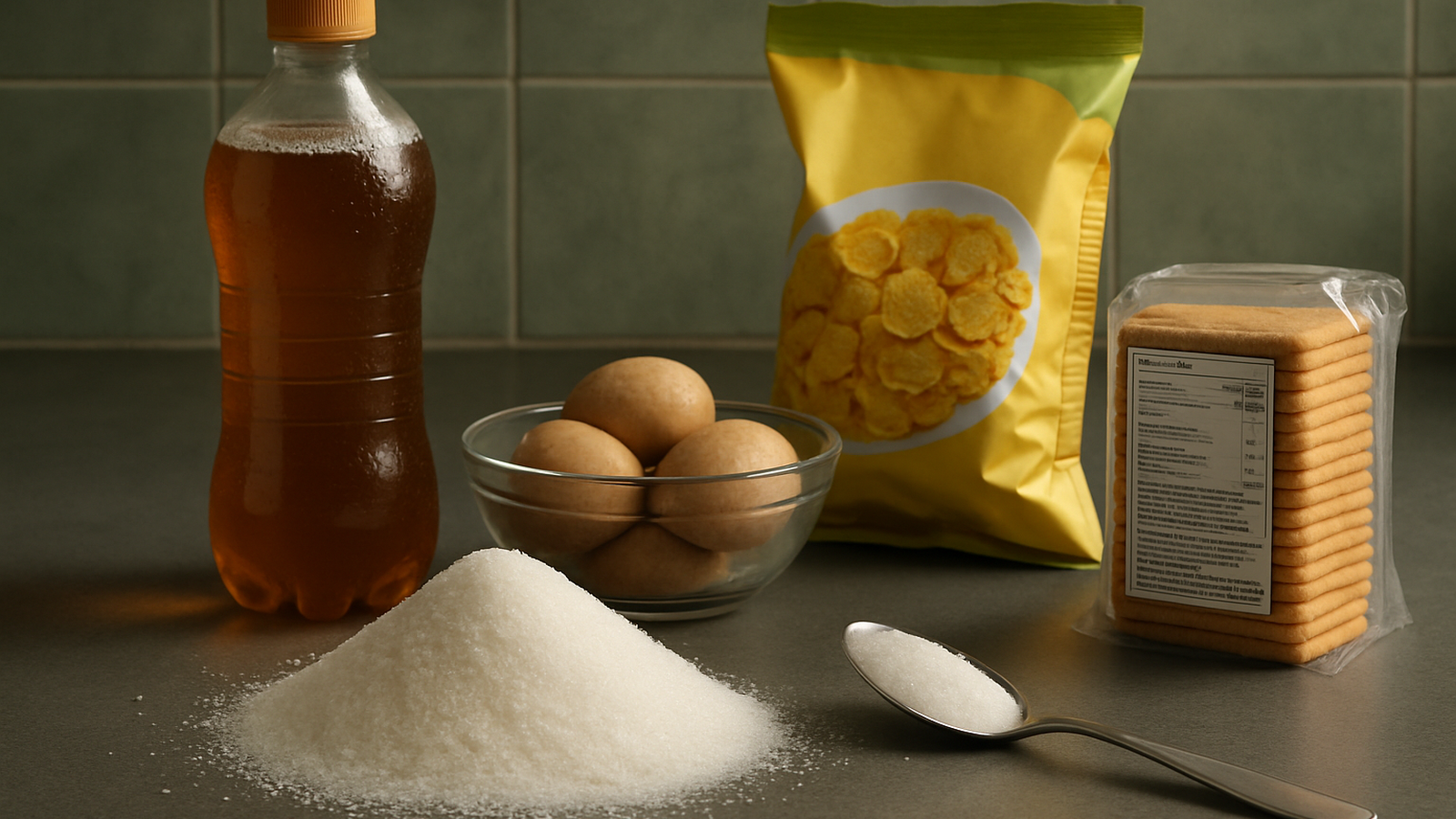
Second, consider whether the product fits into overall diet quality or replaces whole foods. A sugar-free yogurt with live cultures and minimal processing serves a different role than a sugar-free cookie that remains ultraprocessed despite the sweetener swap. The WHO guidance points toward reducing reliance on intensely sweet foods altogether, not simply changing the source of sweetness.
Third, recognize that sugar-free products do not deliver weight loss on their own. If you are choosing diet soda or sugar-free snacks to manage weight, the evidence does not support that strategy as effective for long-term control. Reducing added sugar matters, but the method—switching to sweeteners versus reducing sweet foods overall—makes a difference in outcomes.
When to prioritize reducing added sugar versus switching to sweeteners depends on your starting point. If your household consumes high levels of added sugar, any reduction helps. But if the goal is weight control or metabolic health, the WHO guidance suggests focusing on overall diet quality rather than relying on sugar-free substitutes as a solution.
The label says "sugar-free." The evidence says that is not enough information to make the choice.
Common sweeteners in sugar-free products—what to look for on labels
Comparison basis: Sweetness comparison relative to table sugar by weight
| Sweetener name | Typical products | Sweetness vs sugar | Label clue |
|---|---|---|---|
| Aspartame | Diet sodas, sugar-free gum, yogurt | ~200× sweeter | Often listed near top of ingredients |
| Sucralose | Baked goods, protein bars, beverages | ~600× sweeter | May appear as 'Splenda' on front label |
| Acesulfame potassium (Ace-K) | Soft drinks, desserts, condiments | ~200× sweeter | Often blended with other sweeteners |
| Stevia (steviol glycosides) | Beverages, dairy products, snacks | ~200–300× sweeter | Marketed as 'natural' sweetener |
| Erythritol | Sugar-free candy, baked goods, drinks | ~70% as sweet | A sugar alcohol; may cause digestive effects |
| Saccharin | Tabletop sweeteners, beverages | ~300× sweeter | One of the oldest approved sweeteners |
| Monk fruit extract | Beverages, protein powders, snacks | ~150–200× sweeter | Often combined with erythritol |
Sweetness values are approximate. Products often blend multiple sweeteners. Check ingredient panels for specific names, as front labels may not list all sweeteners used.









Comments
No login needed. Keep it kind — abusive language is filtered.