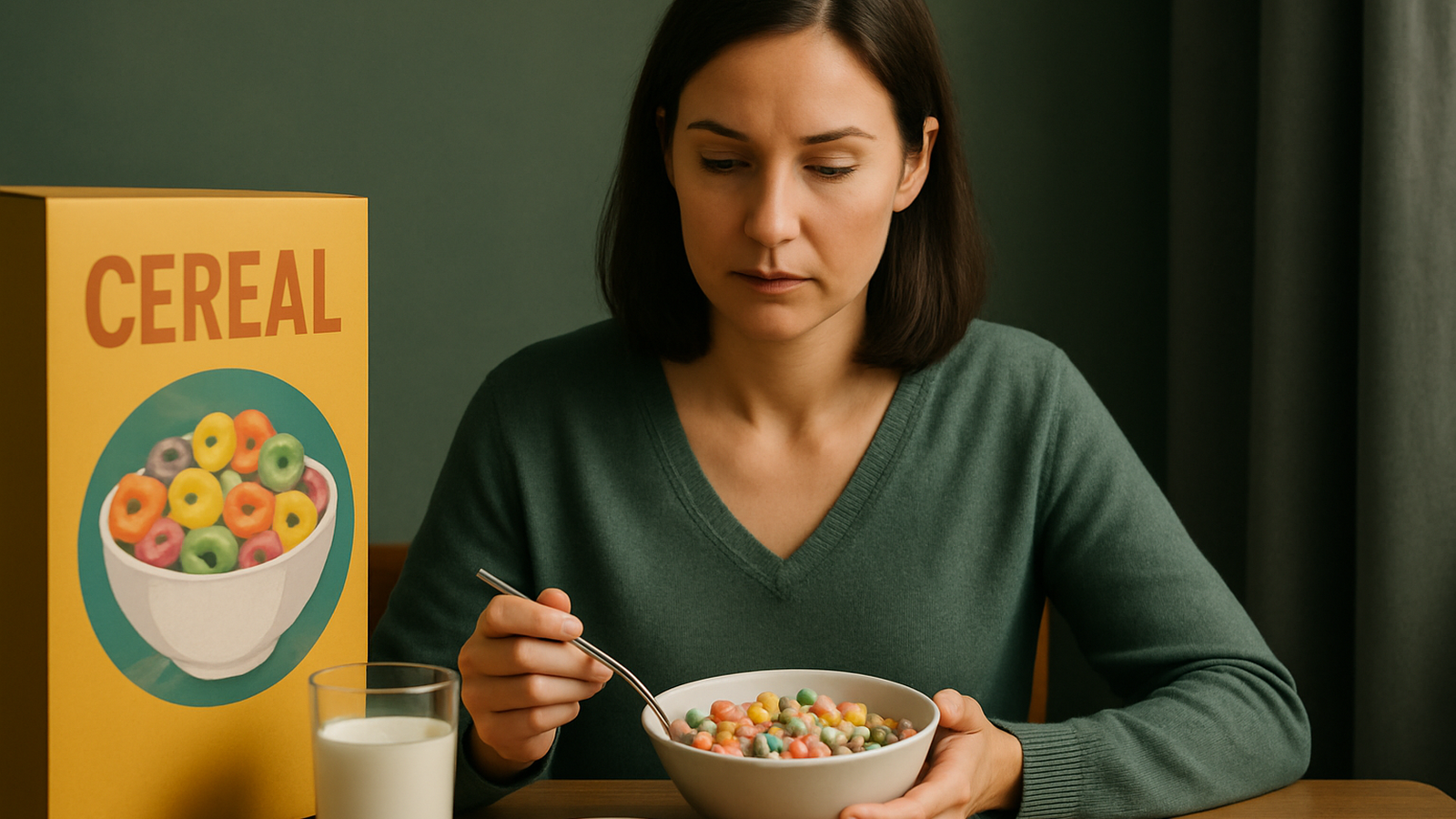
Why an opinion piece is asking parents to look again
The Conversation recently published an opinion piece that highlights a familiar tension in the cereal aisle: children's cereals are often marketed as both fun and nutritious, yet many contain high levels of sugar. The piece is commentary, not new research or a regulatory announcement, but it raises a practical question for parents standing in front of brightly colored boxes promising a great start to the day. How much sugar is actually in that bowl, and how does it stack up against current nutrition guidelines?
The answer requires a skill that takes less than thirty seconds at the shelf: reading the sugar line on the nutrition information panel and comparing it to a benchmark. The World Health Organization offers that benchmark, and it's more concrete than it sounds.
The WHO benchmark: 10% of daily energy from free sugars
The WHO recommends that free sugars make up less than 10% of total daily energy intake, with further health benefits seen when intake drops to 5%. Free sugars include all sugars added to foods by manufacturers, cooks, or consumers, as well as sugars naturally present in honey, syrups, and fruit juices. They do not include the intrinsic sugars found in whole fruit or plain milk.
For a child consuming around 1,600 kilocalories per day—a rough average for a five- to eight-year-old—10% translates to 160 kilocalories from free sugars. Since each gram of sugar provides four kilocalories, that's 40 grams of free sugar per day. The 5% target would be 20 grams.
These numbers give you a reference point when you flip a cereal box over.
What one serve of cereal can deliver
A typical serving size listed on a children's cereal box is around 30 grams of dry cereal. Depending on the product, that serving can contain anywhere from 3 grams to more than 12 grams of sugar—sometimes more. A bowl with 10 grams of added sugar represents a quarter of the 40-gram daily budget under the WHO's 10% guideline, and half the budget if aiming for 5%.
Add milk, and the total sugar count rises, though the lactose in plain milk is intrinsic, not free sugar. Still, the cereal itself can consume a significant portion of the day's sugar allowance before school starts.
This is not an indictment of cereal as a category. It is a reminder that the sugar content varies widely, and the front of the box does not always signal what the back reveals.
Reading the nutrition panel when the box says 'nutritious'
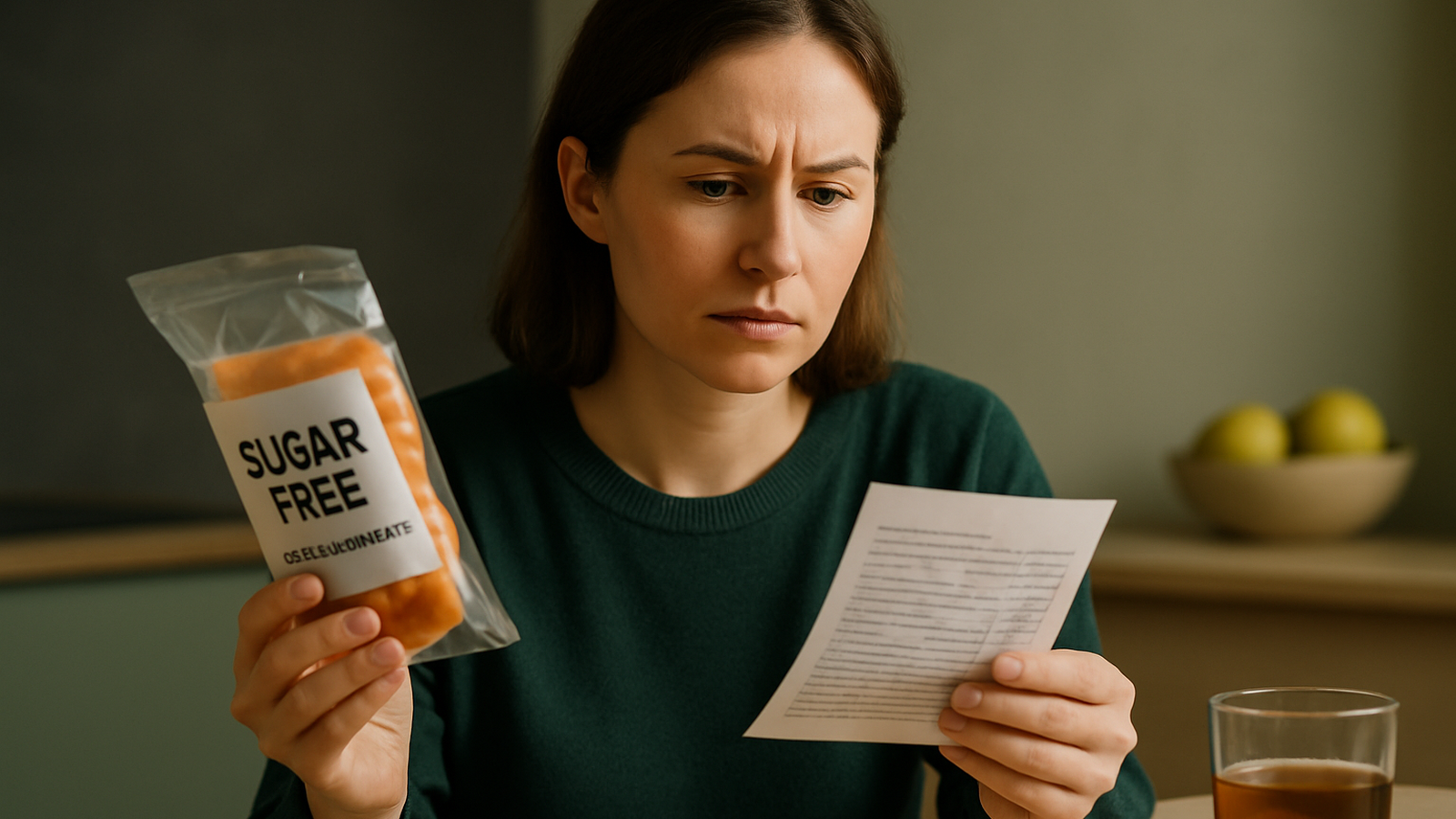
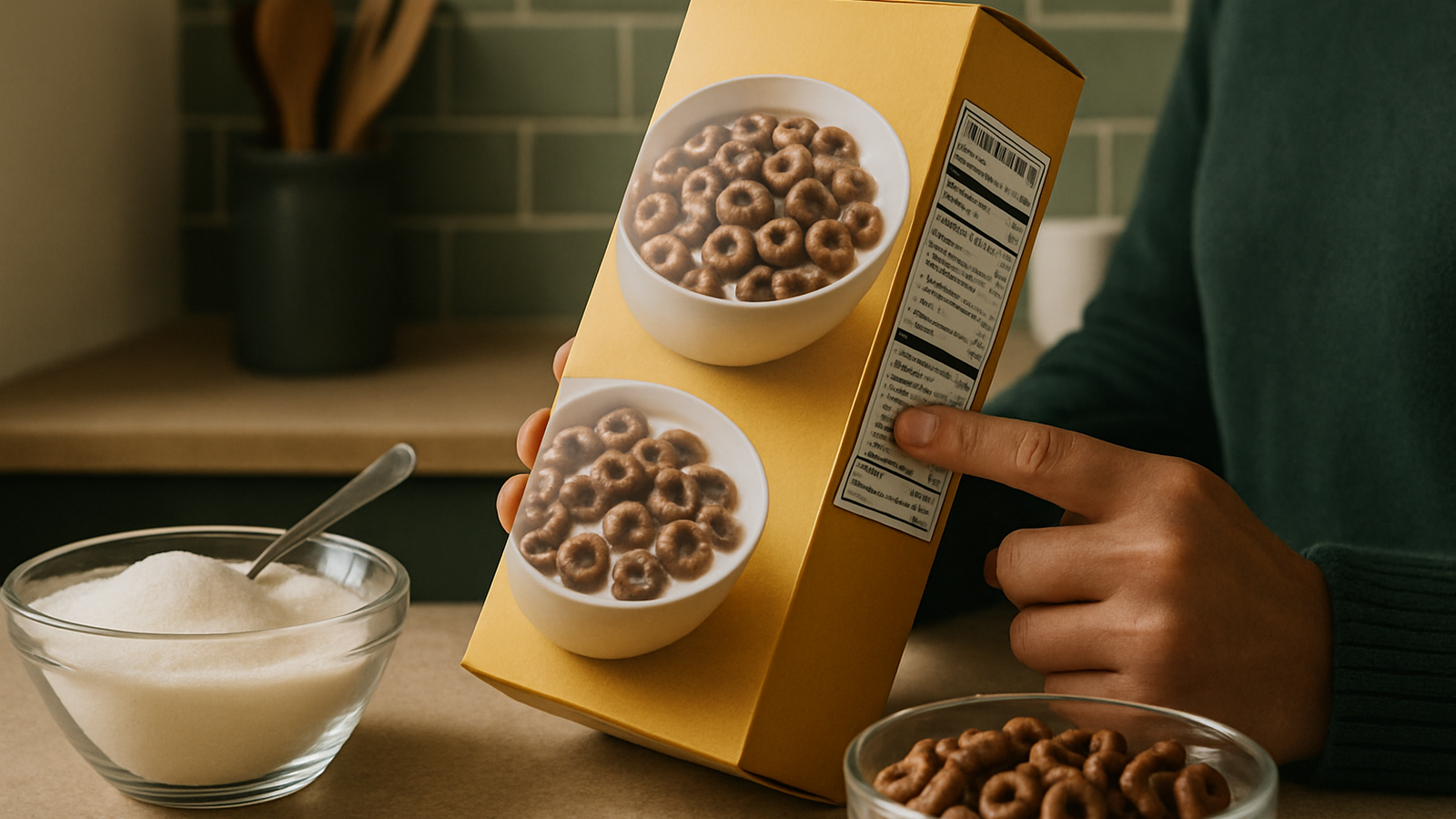
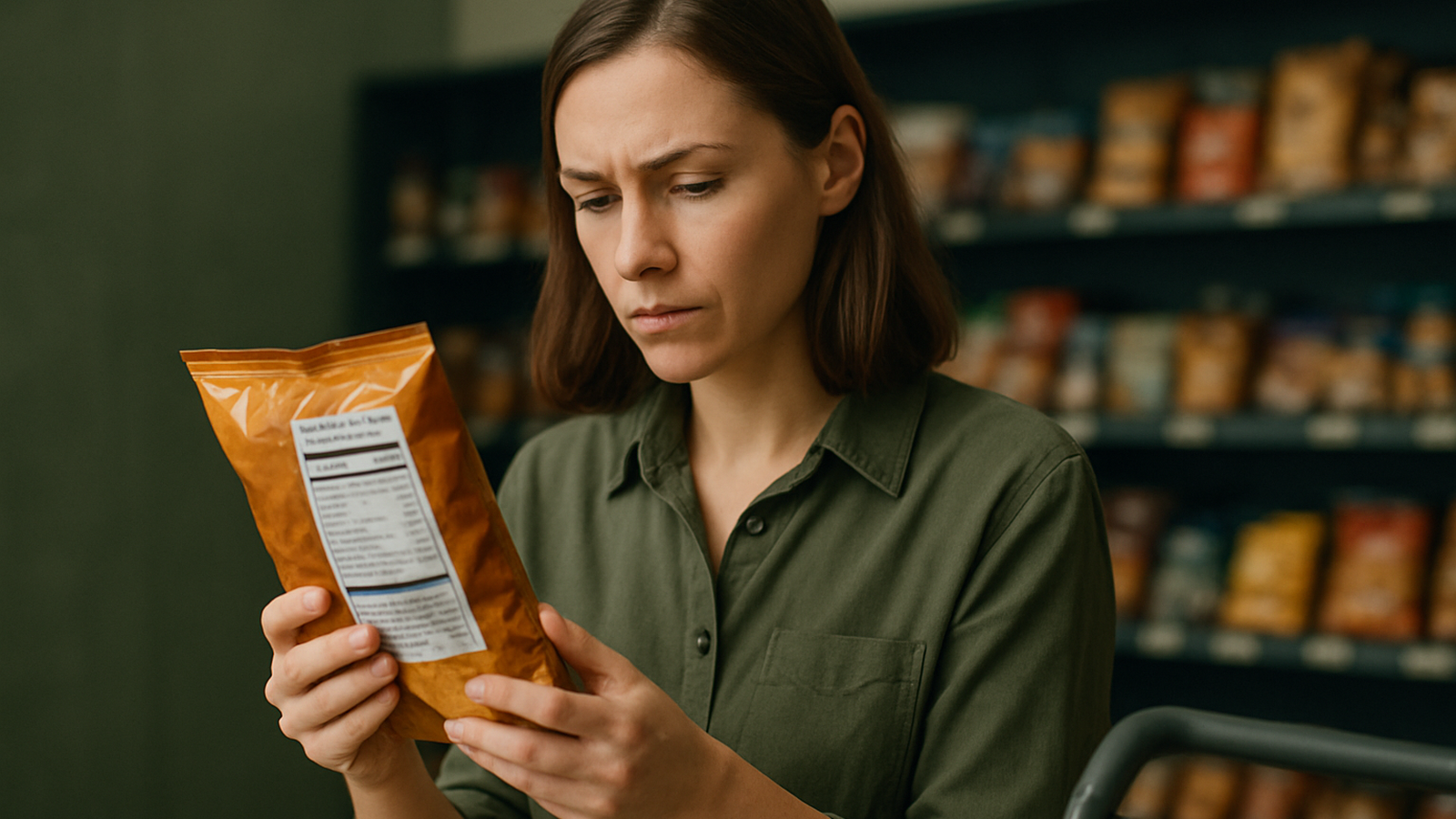
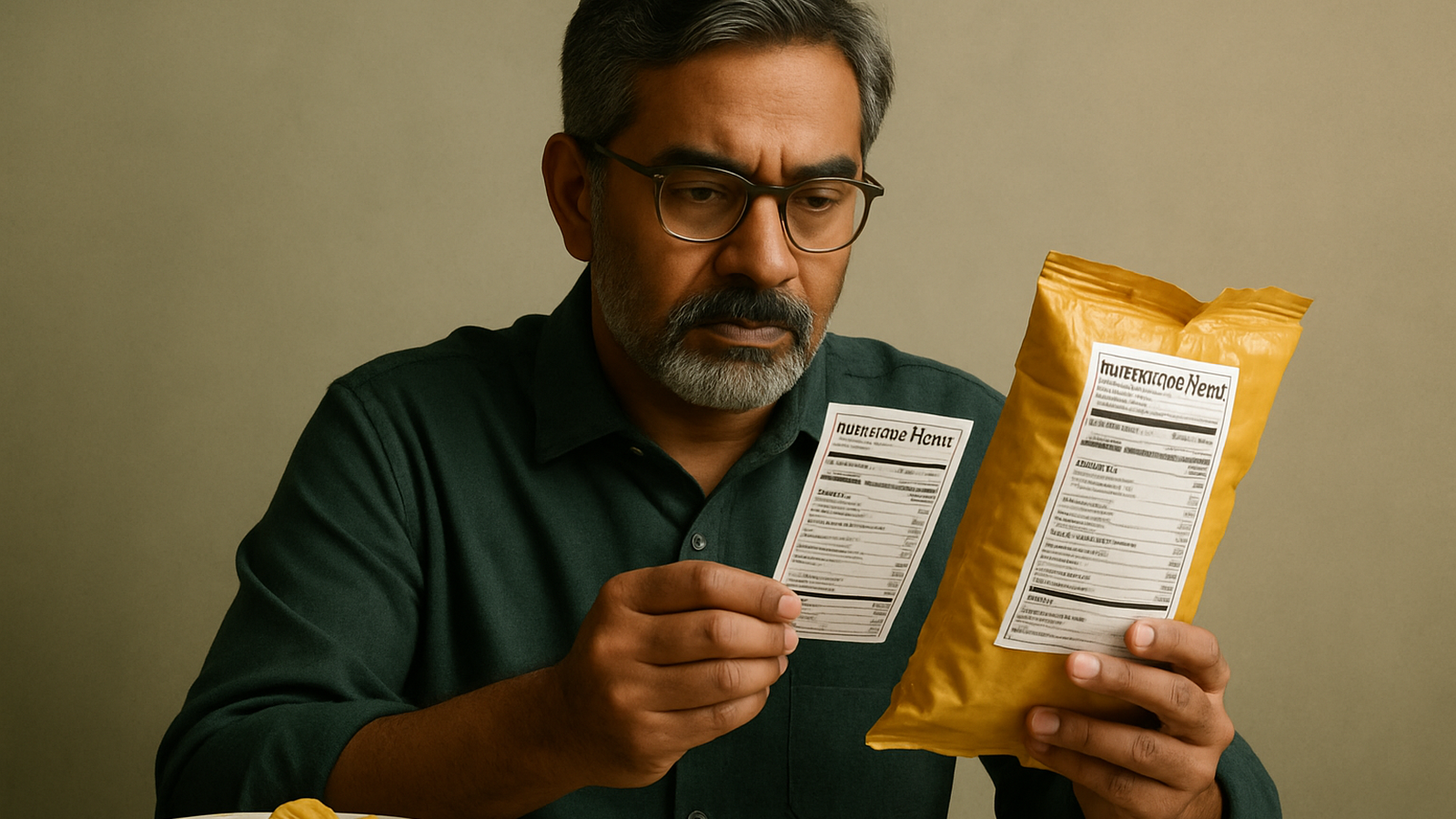
The nutrition information panel is where the numbers live. Look for the line labeled "Sugars" under "Carbohydrates." In most regions, the panel shows two columns: per serving and per 100 grams. Use the per-serving column to understand what your child will actually eat.
Front-of-pack claims—"whole grains," "vitamins added," "nutritious breakfast"—are not false, but they coexist with sugar levels that may surprise you. A cereal can contain whole grains and 10 grams of sugar per serve. Both facts are true. The panel tells you which trade-offs you're making.
There is also a pattern worth noticing: cereals marketed with bright colors, cartoon characters, and an emphasis on fun often correlate with higher sugar content. This is a marketing strategy, not a nutrition strategy. The packaging is designed to appeal to children; the sugar content is a separate decision made in formulation.
What excess added sugar is linked to
The National Institutes of Health has verified that excess added sugar is linked to weight gain and cardiometabolic risk patterns in populations. This is not the same as saying that a bowl of cereal will cause disease in an individual child. It means that, across large groups, higher intake of added sugars is associated with increased risk of weight gain and metabolic changes over time.
Reducing added sugar is one factor among many in a child's overall diet. It sits alongside fruit and vegetable intake, physical activity, sleep, and total calorie balance. No single food or meal determines health outcomes, but patterns matter.
If your child's cereal is already in the pantry
You do not need to throw away the cereal you bought last week. Instead, check the sugar line on the box. Compare it to the WHO guideline—not as a pass-fail test, but as a point of awareness.
If the cereal delivers more sugar than you expected, consider adjustments. Serve a smaller portion and add fresh fruit for volume. Mix it with a lower-sugar cereal to dilute the per-bowl total. Or balance the rest of the day's intake by keeping added sugars low in snacks and other meals.
The goal is not perfection. It is informed choice.
What this opinion piece does not establish
The Conversation piece is a single opinion article. It does not represent new research findings, a change in industry standards, or a regulatory action. No specific brands were named in the coverage, and no claim is made that all children's cereals are unhealthy or should be avoided.
Sugar is one dietary factor. The evidence does not support the idea that cereals must be eliminated from a child's diet, nor that parents who buy these products are causing harm. The opinion piece raises a question about marketing and nutrition alignment; it does not provide a definitive answer about what belongs in your cart.
Label literacy is a tool. It helps you see what the colorful box does not say out loud. It does not prescribe a single correct breakfast, and it does not replace the dozens of other decisions that shape a child's health. It simply puts a number—grams of sugar per serve—in context with a guideline, so you can decide what fits your family's needs.
Sugar in one 30 g serve of common children's cereals
Comparison basis: 30 g dry cereal (typical children's serve size)
| Cereal type | Sugar per serve | % of 40 g daily budget (WHO 10%) | Label clue |
|---|---|---|---|
| Frosted flakes / sugar-coated corn | ~10–12 g | ~25–30% | Sugar in top 3 ingredients |
| Chocolate-flavored puffs | ~9–11 g | ~23–28% | Cocoa + sugar both listed early |
| Honey-flavored loops | ~9–12 g | ~23–30% | Honey and sugar appear separately |
| Fruit-flavored rings | ~10–13 g | ~25–33% | Multiple sugars (corn syrup, sugar, honey) |
| Cinnamon-flavored squares | ~9–10 g | ~23–25% | Sugar second or third ingredient |
| Plain corn flakes | ~2–3 g | ~5–8% | Sugar near end of ingredient list |
| Plain wheat biscuits (unfrosted) | ~0.5–1 g | ~1–3% | Whole grain only ingredient |
| Plain rolled oats (unsweetened) | ~0–1 g | ~0–3% | No added sugar listed |
Values are approximate and vary by brand and recipe. Check the nutrition panel for your specific product. Daily budget assumes ~1,600 kcal/day for a 5–8 year old child.
Comments
No login needed. Keep it kind — abusive language is filtered.