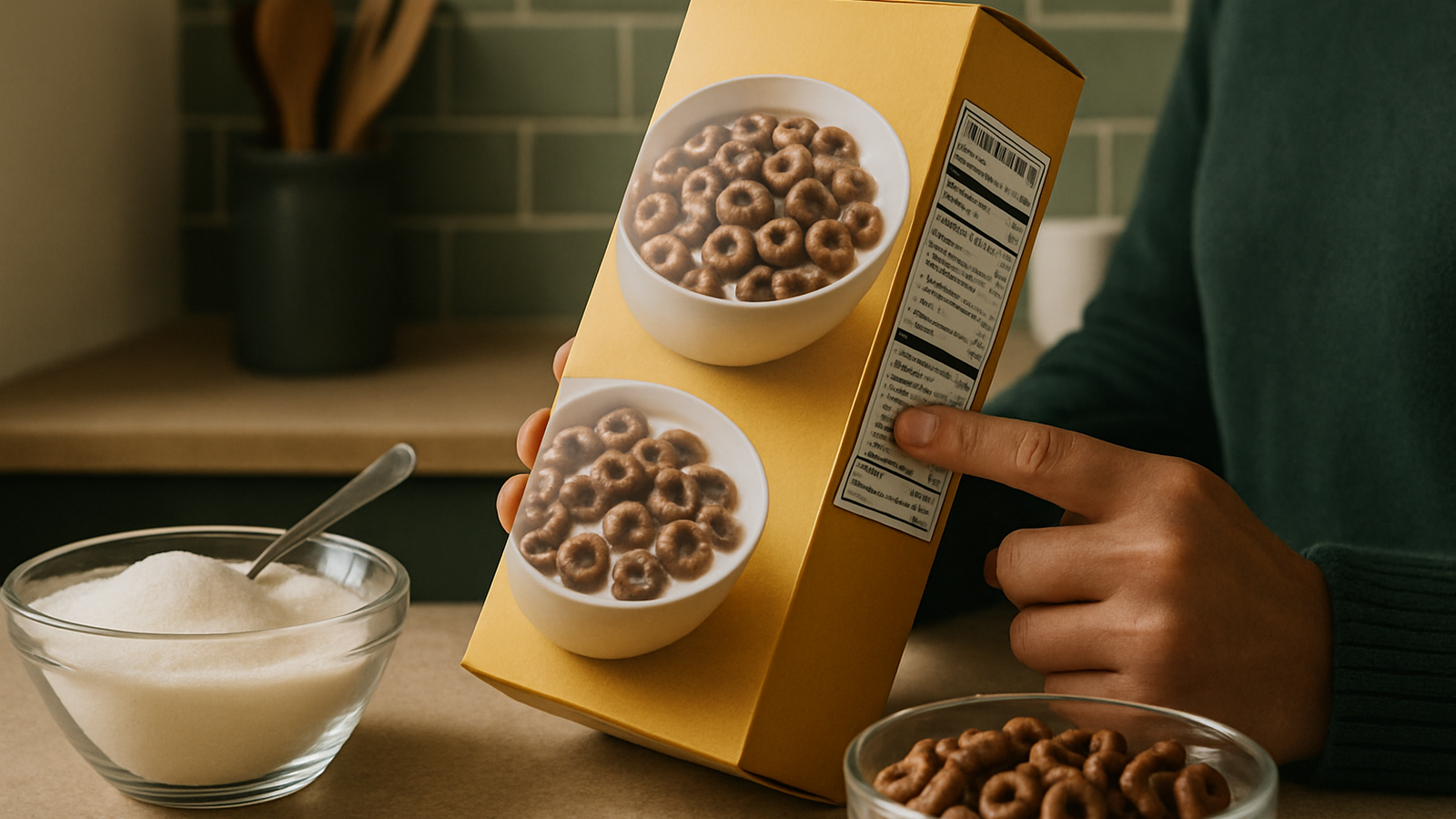
The recommendation is formal. The rule is not.
A parliamentary panel in India has sought mandatory front-of-pack sugar labels on packaged foods. The recommendation asks authorities to require clearer sugar disclosure on product packaging, making nutritional information more visible to shoppers.
But no regulator has committed to when—or whether—such labels will appear. The Food Safety and Standards Authority of India has not announced a timeline for implementing the proposal. No format, design, or threshold criteria have been detailed. The recommendation remains exactly that: a formal request, not a pending regulation or imminent change to the packs on store shelves.
For now, the labels you see today are the labels you'll see tomorrow.
What front-of-pack sugar labels would change—if they arrive
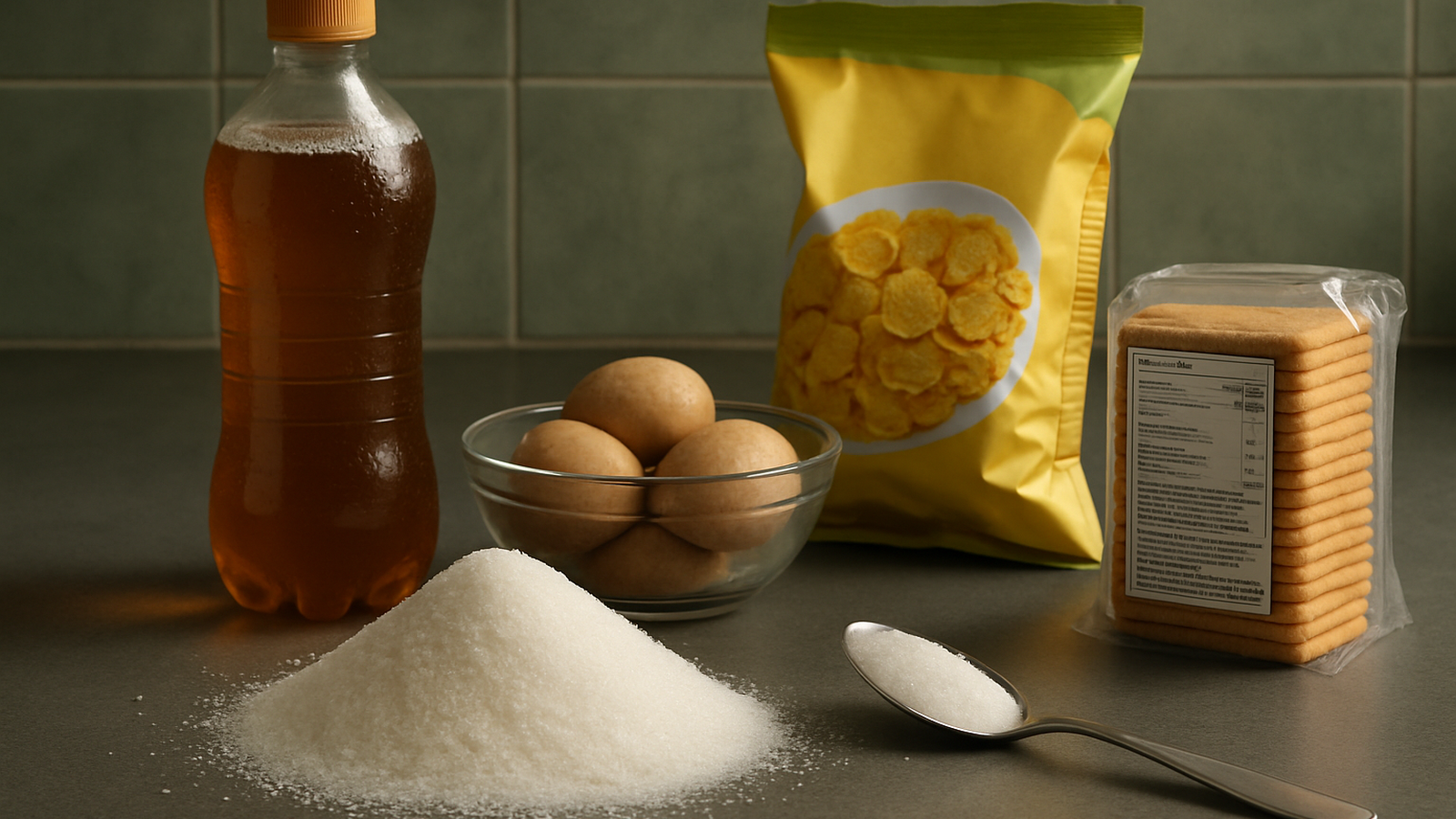
The proposal aims to solve a practical problem: finding sugar content on current packs requires effort. Sugar information lives on the back-panel nutrition facts table, printed in small type alongside a dozen other nutrients. A shopper comparing two biscuit brands must flip both packages, locate the table, and scan for the sugar row.
Front-of-pack labeling would move that number to the front, making sugar visible without turning the pack. The goal is transparency at a glance—letting consumers assess sugar load during the quick decisions that define grocery shopping.
Yet no one has proposed what that label would look like, what sugar threshold would trigger a warning, or where on the pack it would sit. The recommendation identifies the problem but leaves the solution unspecified.
How to find sugar content on the packs you buy today
While regulatory limbo persists, sugar data already exists on every packaged food sold in India. You simply need to know where to look.
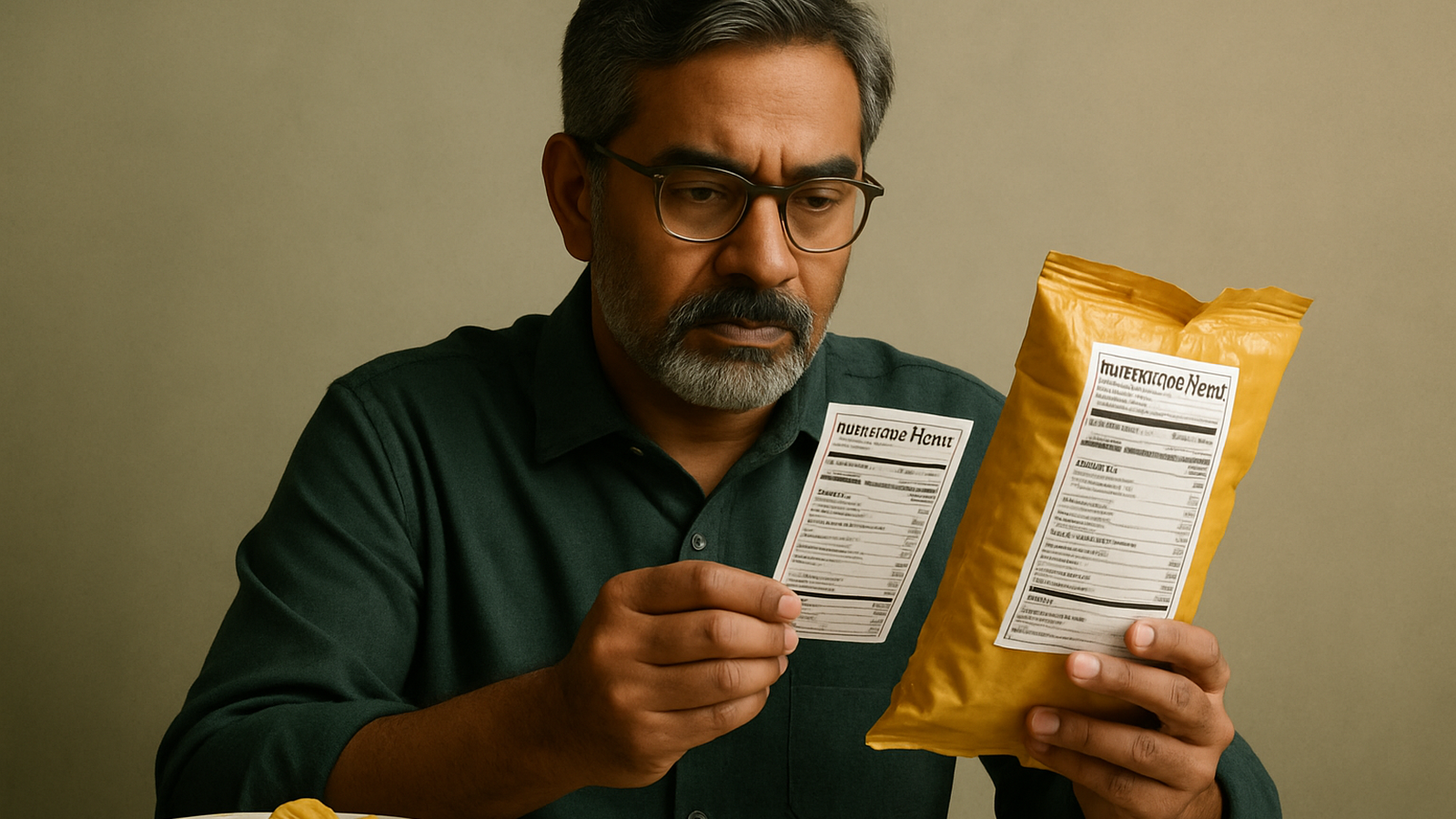
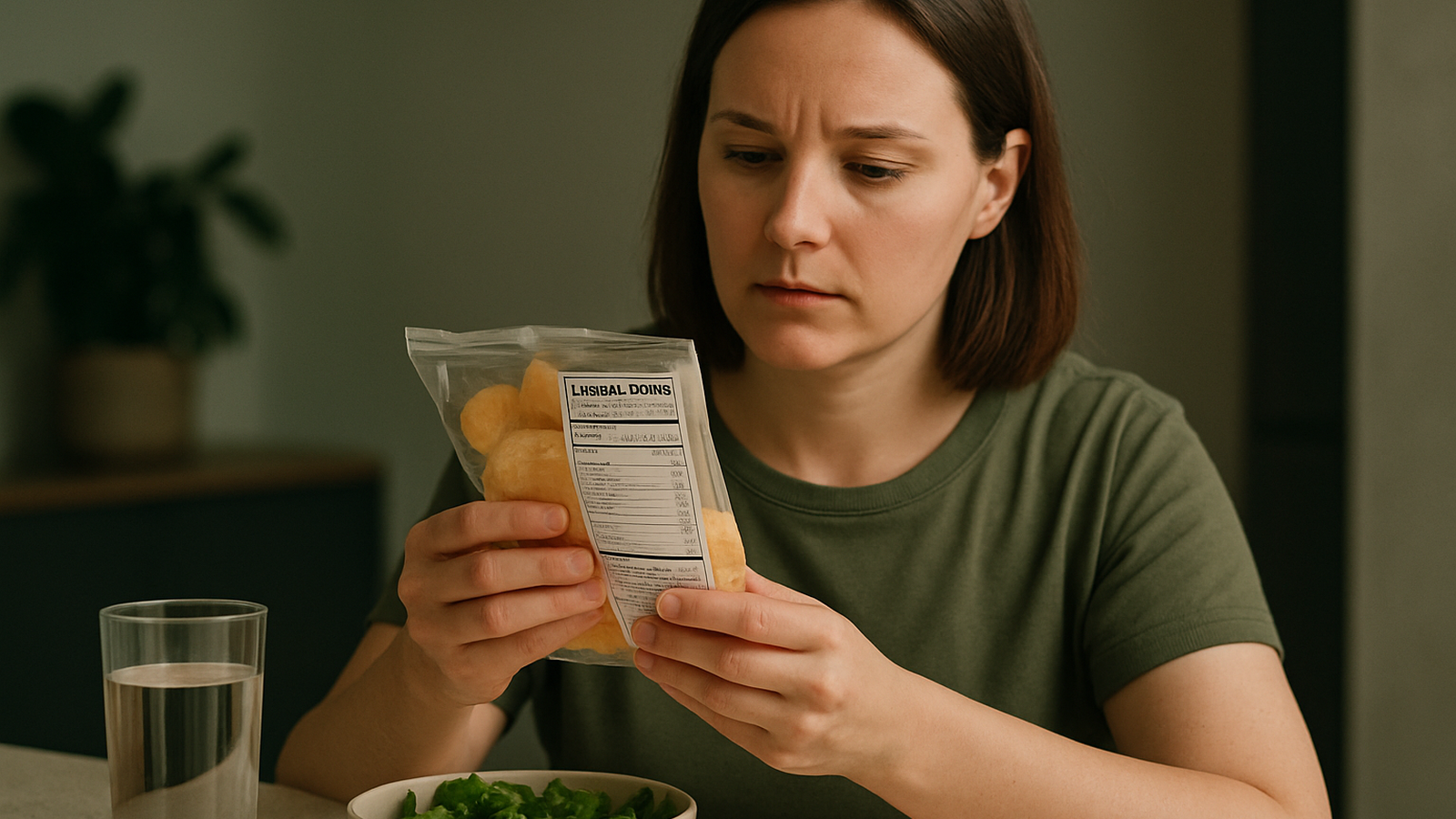
Turn the pack over and find the nutrition facts panel. Sugar appears as a line item, usually labeled "Total Sugars" or "Sugars," expressed in grams. Some labels distinguish between total sugars and added sugars; most do not.
Pay attention to the serving size. A pack of cookies might list 8 grams of sugar per serving, but if the serving is two cookies and you eat six, you've consumed 24 grams. For fair comparison across products, use the per-100g column—it normalizes portion differences and reveals which product is denser in sugar.
The ingredient list offers a rough proxy. Ingredients appear in descending order by weight. If sugar, jaggery, glucose syrup, or any sweetener appears in the first three ingredients, the product carries a high sugar load. If sweeteners cluster near the end, the load is lighter.
Practical aisle behavior: flip the pack, scan the nutrition table, note the sugar line, check the serving size, compare per-100g values. The information is there; it just requires an extra step.
What this recommendation does not guarantee
A parliamentary recommendation does not equal a regulation. Proposals can stall, be revised, or fade without action. No date exists for FSSAI response, public consultation, or implementation.
Even if front-of-pack labels arrive, no evidence suggests that labels alone reduce sugar intake. Visibility helps informed shoppers make different choices, but it does not change product formulations, price dynamics, or taste preferences. A clear label on a high-sugar snack still leaves the snack high in sugar.
If front-of-pack labels do appear, you will still need to read them. Transparency is a tool, not a solution. The decision remains yours.
If you're shopping for packaged foods this week
You do not need to wait for label reform to make informed choices. Check the nutrition facts panel for total sugars per serving. Compare products using per-100g values to account for portion tricks. Watch the ingredient list: sugar near the top signals a heavy load.
The parliamentary panel has asked for clearer labels. Until those labels exist—if they ever do—the sugar content you need is already printed on the pack you're holding. You just have to turn it over.
Sugar content in common packaged foods and drinks (per 100g or 100ml)
Comparison basis: Per 100g or 100ml for fair comparison across products
| Food / drink | Total sugars (per 100g/ml) | Practical context | Label clue |
|---|---|---|---|
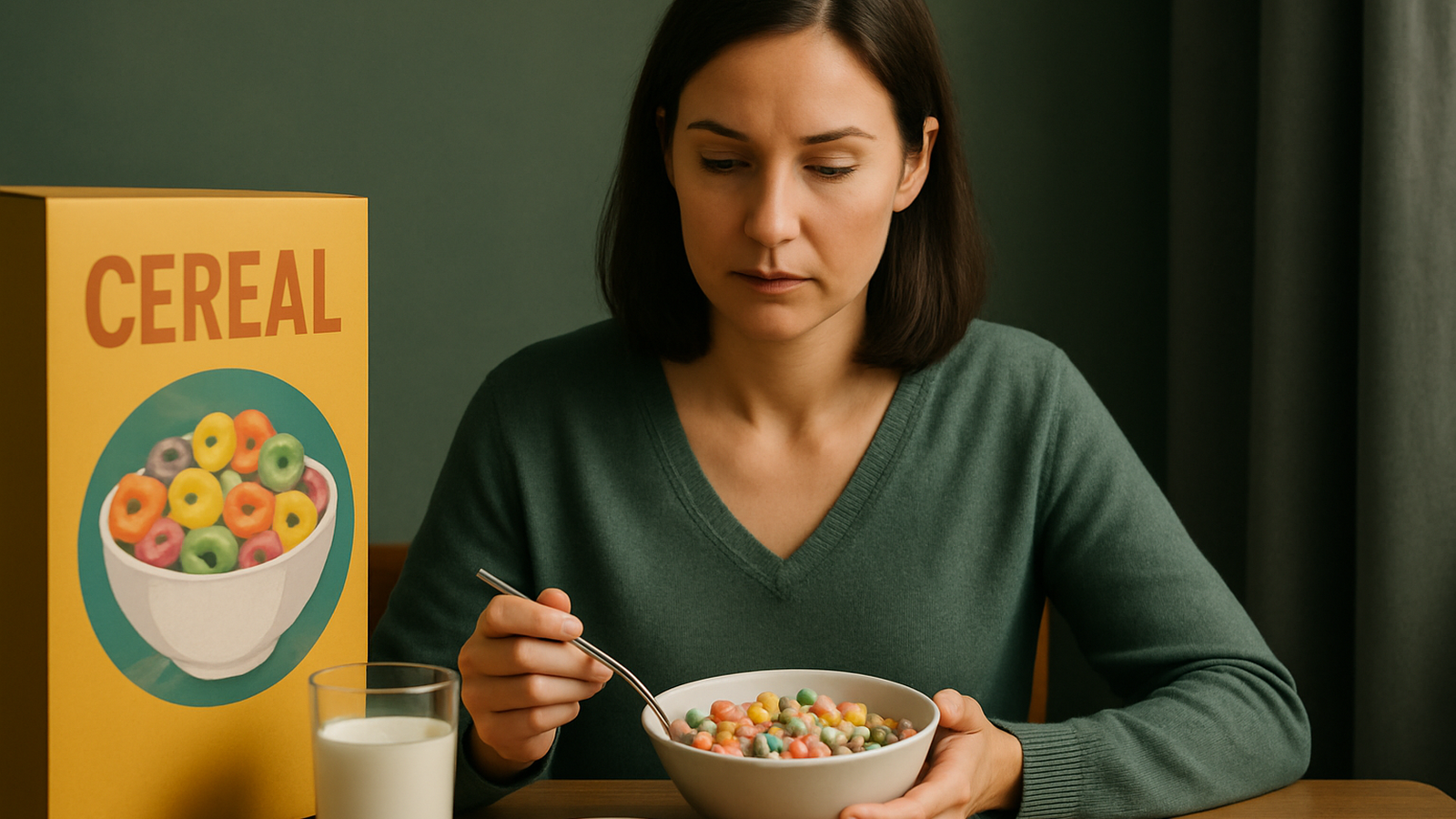
| Breakfast cereal (sweetened) | ~25–35g | One bowl can deliver half your daily limit | Sugar in top 3 ingredients |
| Flavoured yogurt | ~12–16g | Plain yogurt + fruit has less | Check 'added sugars' if listed |
| Packaged fruit juice | ~10–12g per 100ml | Similar to cola; whole fruit is better | No fibre, all sugar |
| Biscuits (sweet) | ~20–30g | Two biscuits = ~1 teaspoon sugar | Glucose syrup often appears early |
| Tomato ketchup | ~20–25g | 1 tablespoon = ~1 teaspoon sugar | Sugar or jaggery near the top |
| Energy / sports drink | ~6–8g per 100ml | A bottle can exceed daily limit | Multiple sweetener names listed |
| Muesli bar | ~25–35g | Marketed as healthy; check the table | Honey, syrup, or dates add sugar |
Values are approximate and vary by brand, recipe, and formulation. Always check the nutrition facts panel and serving size on the specific pack you buy.





Comments
No login needed. Keep it kind — abusive language is filtered.