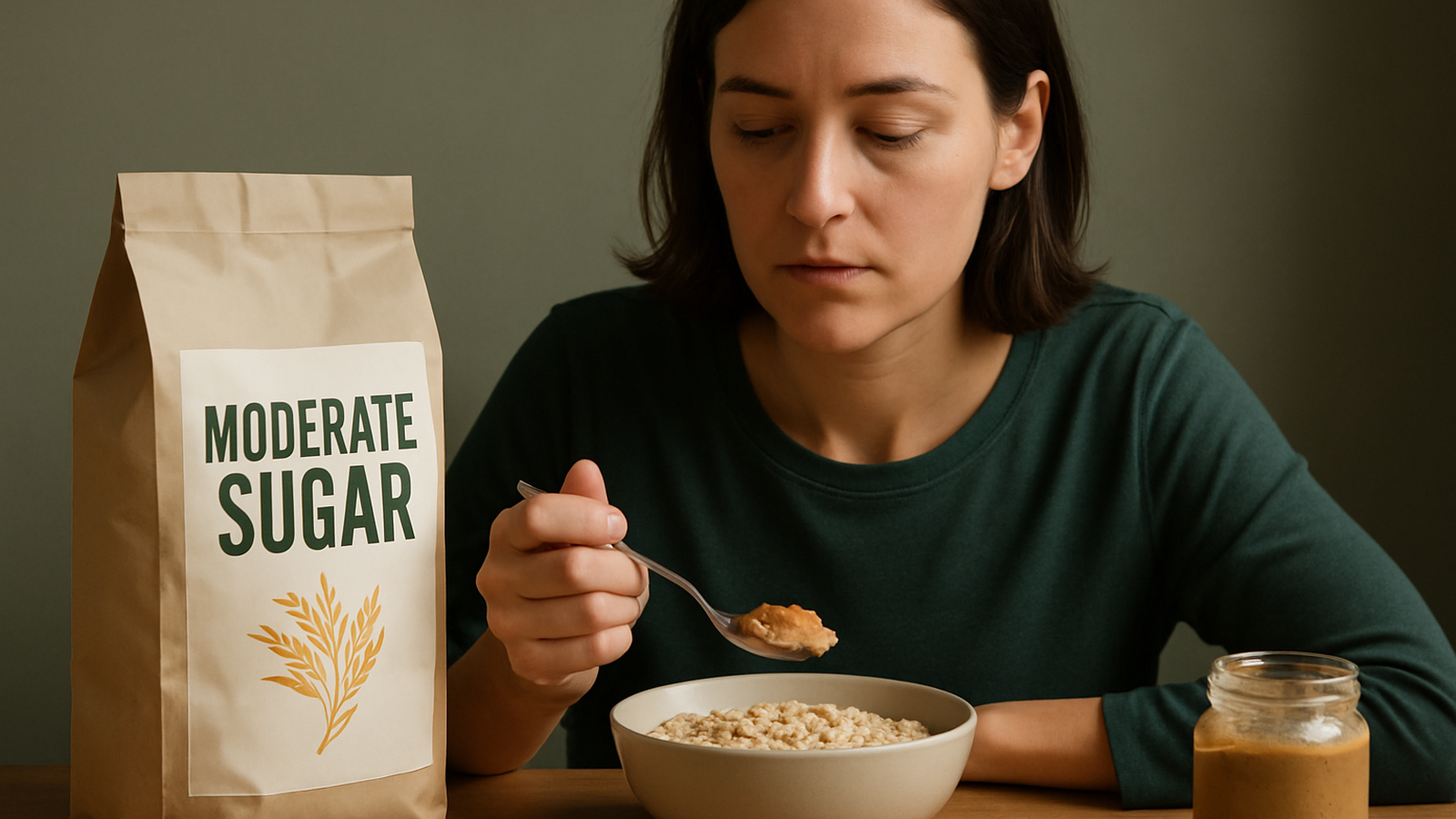
You're standing in the cereal aisle, comparing oatmeal boxes. One package announces "moderate sugar" in friendly letters. You flip it over, scan the nutrition panel, and realize: no agency defined that term. No threshold separates "moderate" from "high" or "low." The phrase that caught your eye exists nowhere in food regulation.
This isn't a product safety problem. It's a label-reading gap—and three specific lines on every oatmeal package can fill it.
Why 'moderate sugar' appears on packs but nowhere in regulation
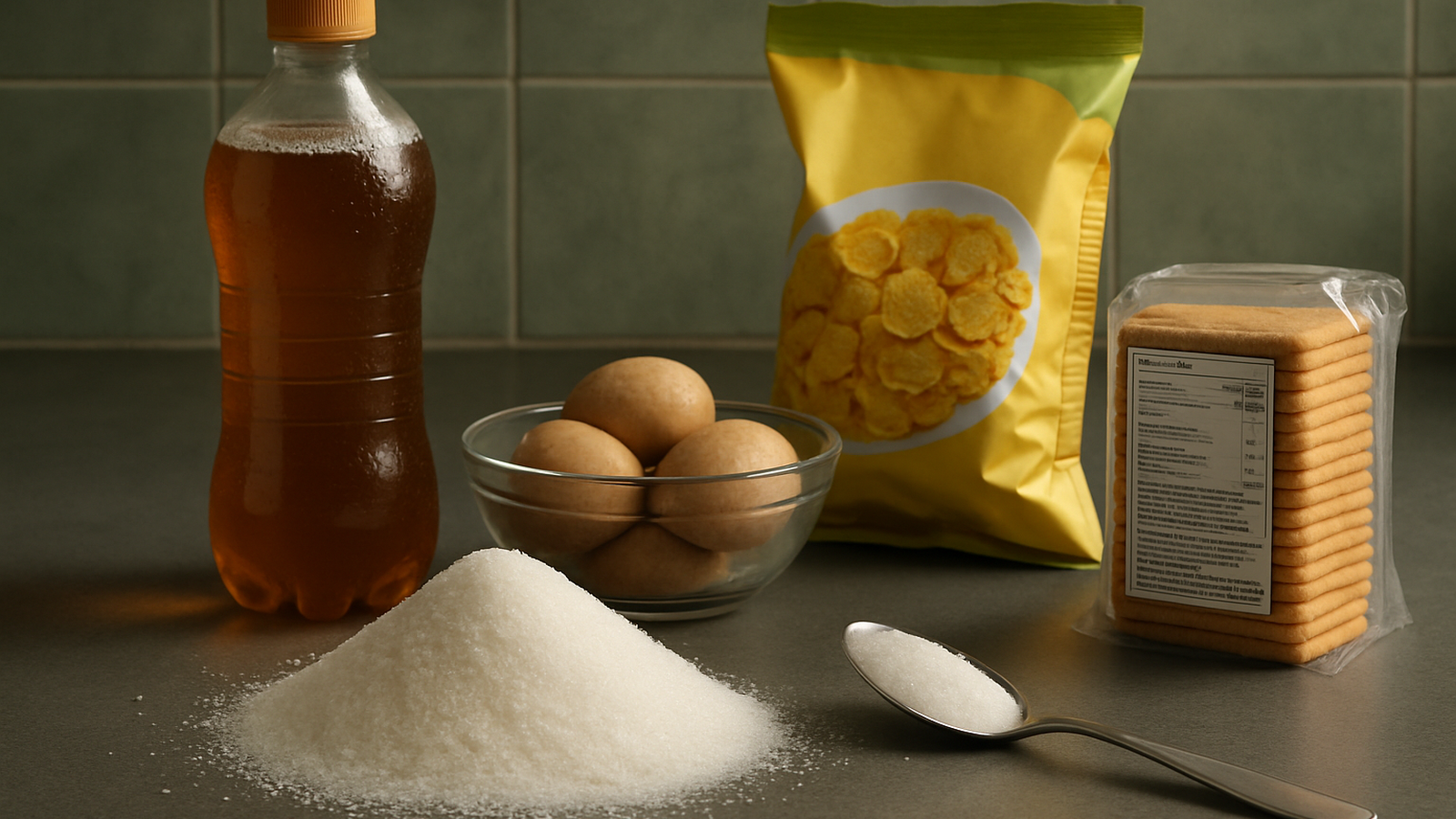
The term "moderate sugar" carries no official meaning. It's marketing language, not a regulatory standard. Food manufacturers use it to position products, but no government body has drawn the line that would make the claim verifiable.
This creates confusion at the point of purchase. Shoppers scan boxes for reassurance, find a phrase that sounds measured, and assume someone in a lab coat set the boundary. No one did. The phrase tells you how a company wants you to feel about the product, not what's inside the package.
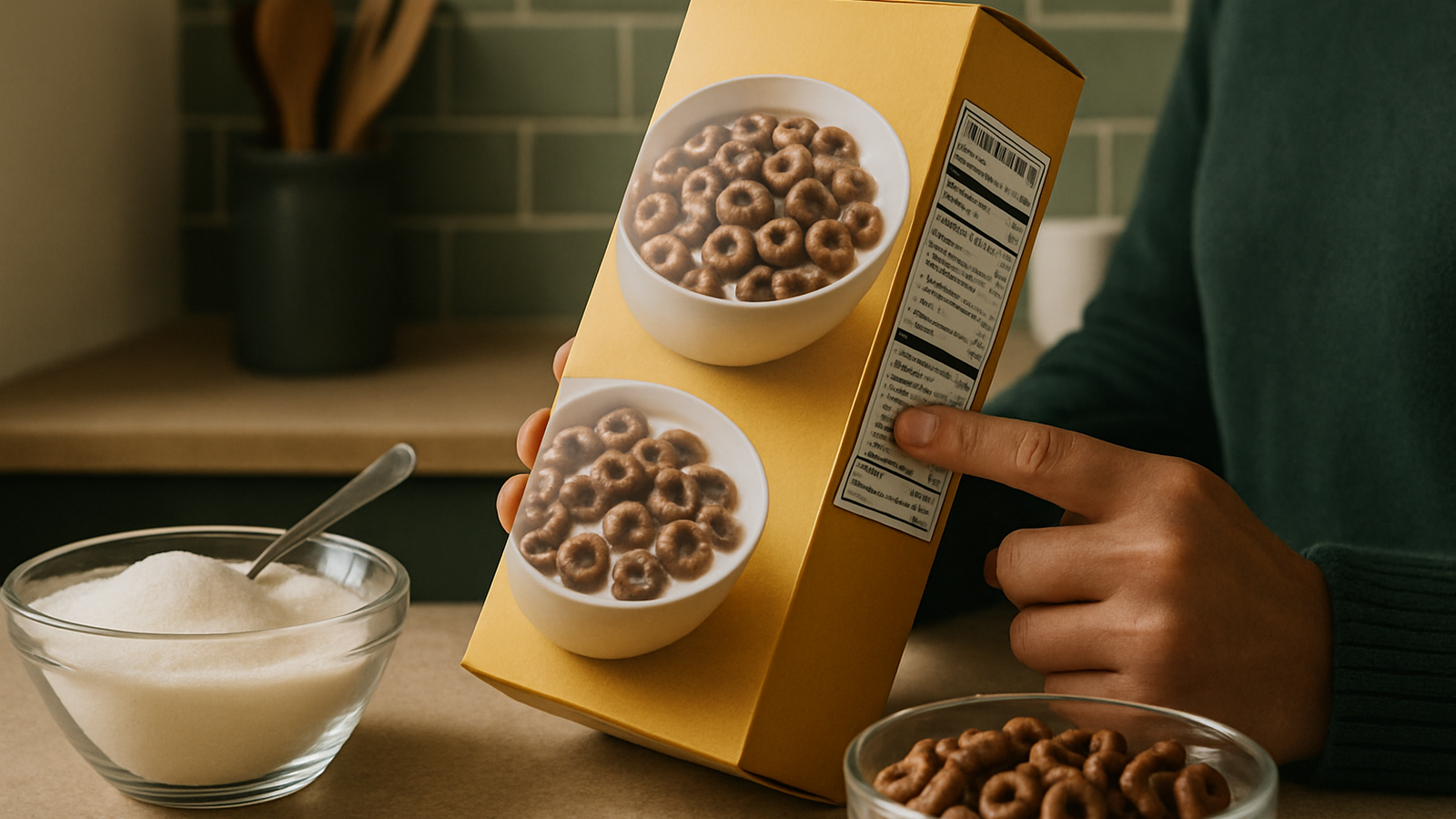
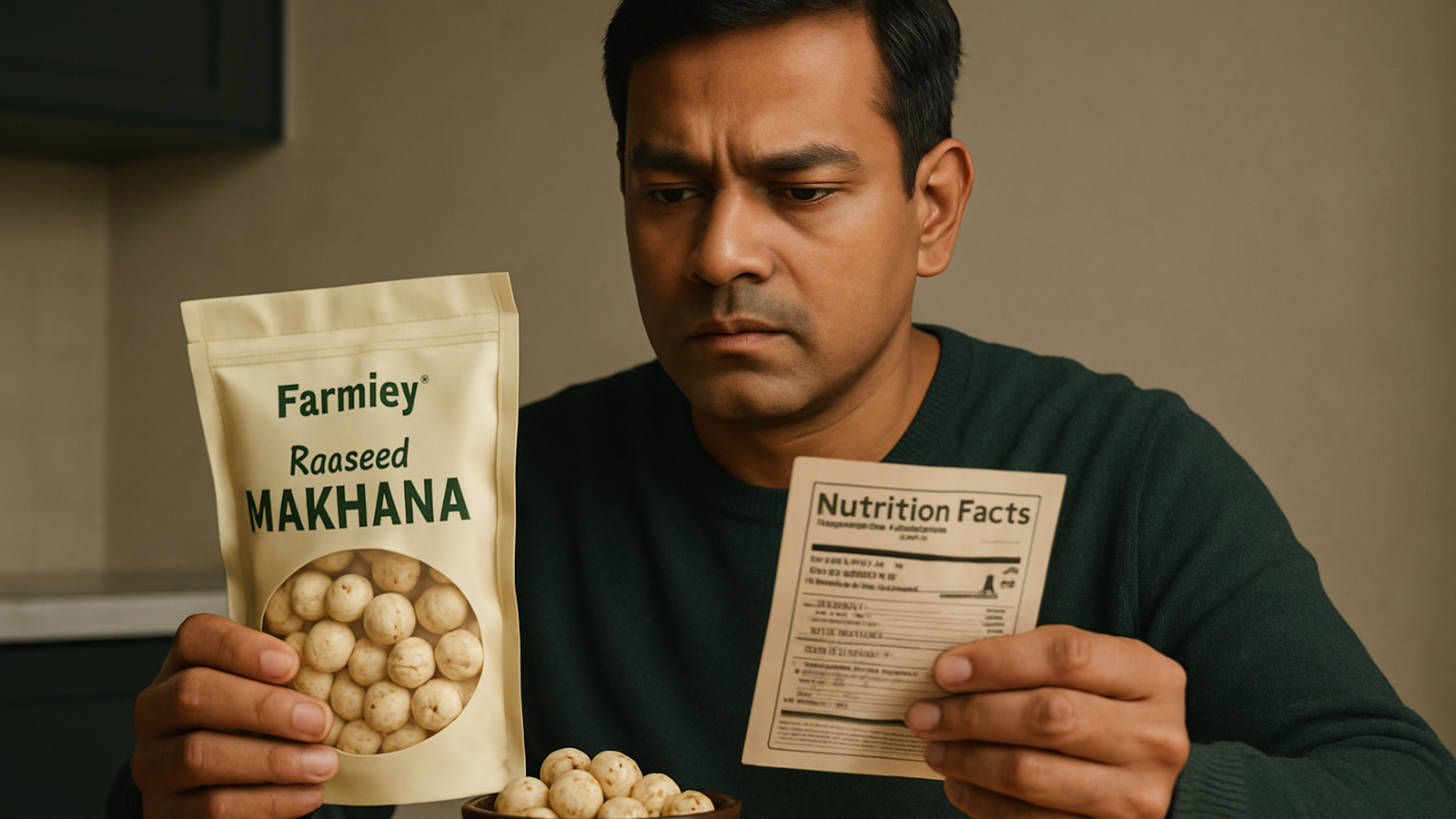
The solution isn't to decode marketing terms. It's to read the fields that federal law requires on every nutrition panel.
The three label lines that actually reveal sugar in oatmeal
First: total sugars versus added sugars. The nutrition panel lists both. Total sugars include everything—natural carbohydrates in oats plus any sweeteners added during manufacturing. Added sugars isolate what the factory put in: cane sugar, honey, maple syrup, fruit concentrates. A plain oat product shows zero grams of added sugars. A flavored variety might show eight or twelve grams. That difference is what you're evaluating.
Second: the ingredient list, read in order. Ingredients appear by weight, heaviest first. If sugar, brown sugar, or any sweetener appears in the first three ingredients, it's a prominent part of the formula. If it's near the end, it's a minor addition. This list shows you what the added-sugar number on the panel actually represents in the recipe.
Third: serving size, which anchors every number on the label. A packet listing four grams of added sugar per serving means four grams if you eat that exact portion. If the serving is thirty grams of dry oats and you pour sixty, double the sugar number. Comparing products requires matching serving sizes first, then reading the sugar fields.
These three lines let you compare plain oats to flavored varieties, store brands to premium boxes, and instant packets to bulk containers. No phrase like "moderate sugar" required.
What guidelines say about added sugar—and where oatmeal fits
Public health guidance addresses added sugars across your entire diet, not oatmeal in isolation. The World Health Organization recommends limiting free sugars to less than ten percent of total energy intake. The American Heart Association advises limiting added sugars to support heart health. Both guidelines treat added sugar as a category spanning all foods and beverages you consume in a day.
Oatmeal is one item in that larger budget. A bowl with eight grams of added sugar contributes eight grams to your daily total, whether those grams came from oats, bread, yogurt, or coffee sweetener. The guidelines don't establish an oatmeal-specific threshold because they're designed to help you evaluate cumulative intake, not single foods.
Individual glycemic response varies significantly. Two people eating identical oatmeal bowls may see different blood sugar curves depending on metabolism, activity level, what else they ate that day, and factors researchers are still mapping. No universal oatmeal rule applies to everyone.
What you add to oatmeal may matter more than the oats themselves
Recent reporting has highlighted the potential for added ingredients—particularly fat and protein—to influence blood sugar response. One example: adding peanut butter to oatmeal. The principle is that fat and protein slow digestion, which may moderate the rate at which carbohydrates enter the bloodstream.
But the evidence for specific add-ins remains thin. A single headline is not a study, and the research package here does not provide comparative trials. What you add at breakfast—nuts, seeds, yogurt, milk, butter—changes the meal's macronutrient profile, and that composition likely affects glycemic impact. How much, and for whom, is less clear.
Preparation method also matters. A bowl of oats cooked with water produces a different meal than oats cooked with milk and topped with almond butter. These variables shift the context in which your body processes the oats themselves.
This principle does not replace medical guidance. If you have diabetes or prediabetes, your healthcare provider's recommendations take precedence over general breakfast tips.
What this label check will not tell you
The evidence provided here does not rank oat types—steel-cut versus rolled versus instant—by glycemic impact. Processing methods differ, and texture changes, but no comparative data in this analysis supports claims that one form is better or worse for blood sugar control.
Individual variation is significant. Your blood sugar response to oatmeal depends on factors this label check cannot measure: your metabolic health, meal timing, physical activity, sleep, stress, and genetic background. The nutrition panel shows you what the manufacturer added; it doesn't predict how your body will respond.
This is not medical advice for diabetes management. Blood sugar control in clinical populations requires individualized care, monitoring, and often medication. These label-reading skills help you make informed choices at the grocery store, not manage a chronic condition.
Oatmeal does not prevent or cause disease based on the evidence reviewed here. It's a breakfast grain with a nutrition profile you can now decode more clearly.
If oatmeal is already in your pantry
Pull out the boxes or canisters you already own. Check the nutrition panel for added sugars. A plain oat container should show zero grams. Flavored packets may show a range—compare them to see which products load more sweetener into the formula.
Compare plain varieties to flavored ones side by side. Notice how the added-sugar line changes while the total-sugar line may stay similar. That gap reveals where factory sweeteners enter the product.
Consider what you add at breakfast. If you're already mixing in nut butter, yogurt, or milk, you're changing the meal's fat and protein content, which may influence how your body processes the carbohydrates. If you're adding honey or brown sugar at the table, you're increasing the added-sugar total beyond what the label shows.
Use these three label lines—added sugars, ingredient order, serving size—when shopping for new oatmeal products. They replace vague marketing language with concrete numbers, and they work on every package in the aisle. No regulator will define "moderate sugar" for you, but the law already requires the data you need.
Added sugars in common oatmeal products
Comparison basis: Per typical single serving as stated on package or standard measure
| Product type | Added sugars per serving | Ingredient clue | Serving context |
|---|---|---|---|
| Plain rolled oats (dry) | 0 g | Only ingredient: oats | ~40 g dry makes ~1 cup cooked |
| Plain steel-cut oats | 0 g | Only ingredient: oats | ~40 g dry makes ~1 cup cooked |
| Flavored instant packet (maple) | ~10–12 g | Sugar in first 3 ingredients | 1 packet = 1 serving as packaged |
| Flavored instant packet (apple cinnamon) | ~8–10 g | Sugar or fruit concentrate early in list | 1 packet = 1 serving as packaged |
| Overnight oats cup (store-bought) | ~6–14 g | Check label; varies widely by brand | 1 container = 1 serving; compare brands |
| Granola (for topping) | ~4–8 g | Sweeteners often in first 3 ingredients | ~30 g serving; easy to pour more |
| 1 tablespoon honey (added at table) | ~17 g | Not on oatmeal label | Added sugar you control |
Values are approximate and vary by brand, recipe, and portion. Check the nutrition panel's 'Added Sugars' line and ingredient list on your specific product.










Comments
No login needed. Keep it kind — abusive language is filtered.