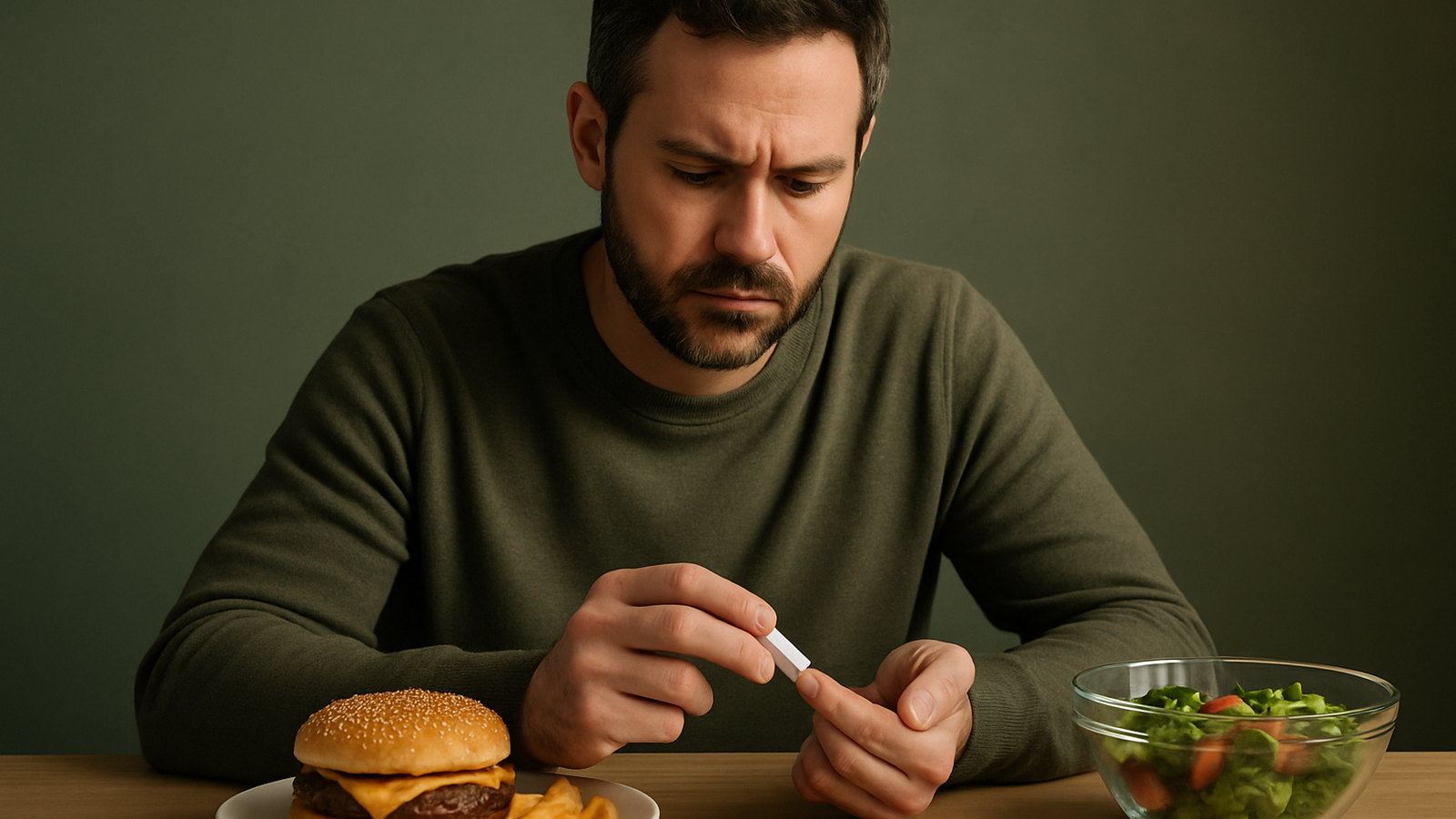
What the Earth.com report claims
A report from Earth.com states that a simple blood test can now reveal how much ultra-processed food a person consumes. The claim implies a new diagnostic capability for assessing dietary patterns through blood analysis. The report does not link to a published study, name any researchers, or cite a journal. No institution or research team is identified.
The validation details the report does not supply
The Earth.com report provides no biomarkers—no description of what the test measures in blood, no chemical signatures, no metabolic compounds. There is no clinical validation data, no trial results, no cohort size, no accuracy figures. No peer-reviewed publication has been disclosed. No timeline for public availability is offered. No named institution or research team takes credit for the work.
These are not minor omissions. They are the entire evidentiary foundation required to evaluate whether a diagnostic test works, whether it can be trusted, and whether it exists in any form accessible to households.
Why those gaps matter for households right now
Without validation data, there is no way to request or access the test. No clinic offers it, no lab processes it, no ordering pathway exists. There is no basis to trust its accuracy or reliability—no data on false positives, false negatives, or performance across different populations. The claim does not establish a new clinical standard; no health authority has reviewed or endorsed the test.
For households, this means no change to dietary guidance and no change to shopping behavior. The report does not create a new tool you can use. It does not give you a new reason to adjust what you buy or eat. It does not mean your doctor will soon offer this test or that you should ask for it.
How to assess your own ultra-processed intake—without a blood test
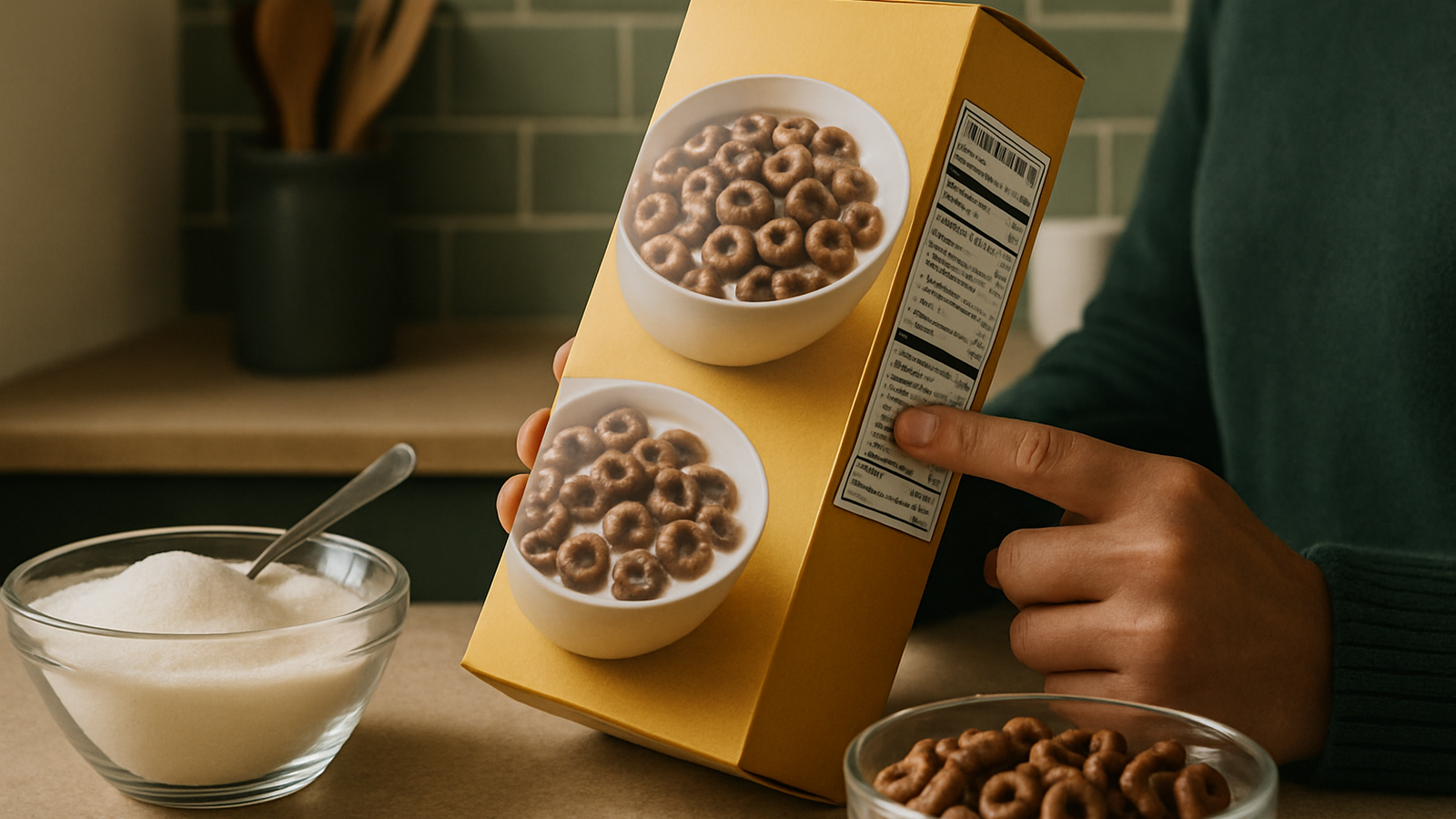
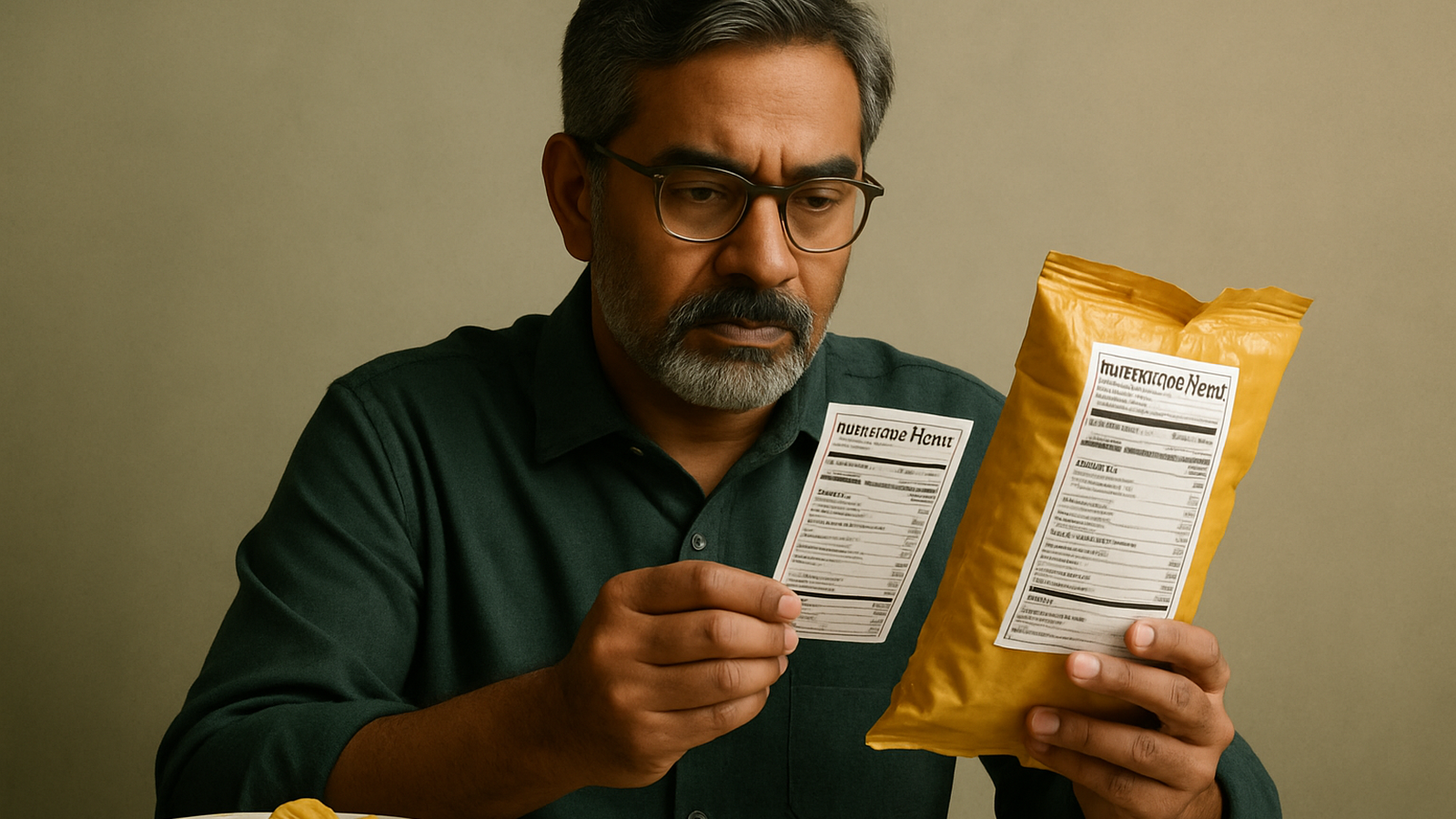
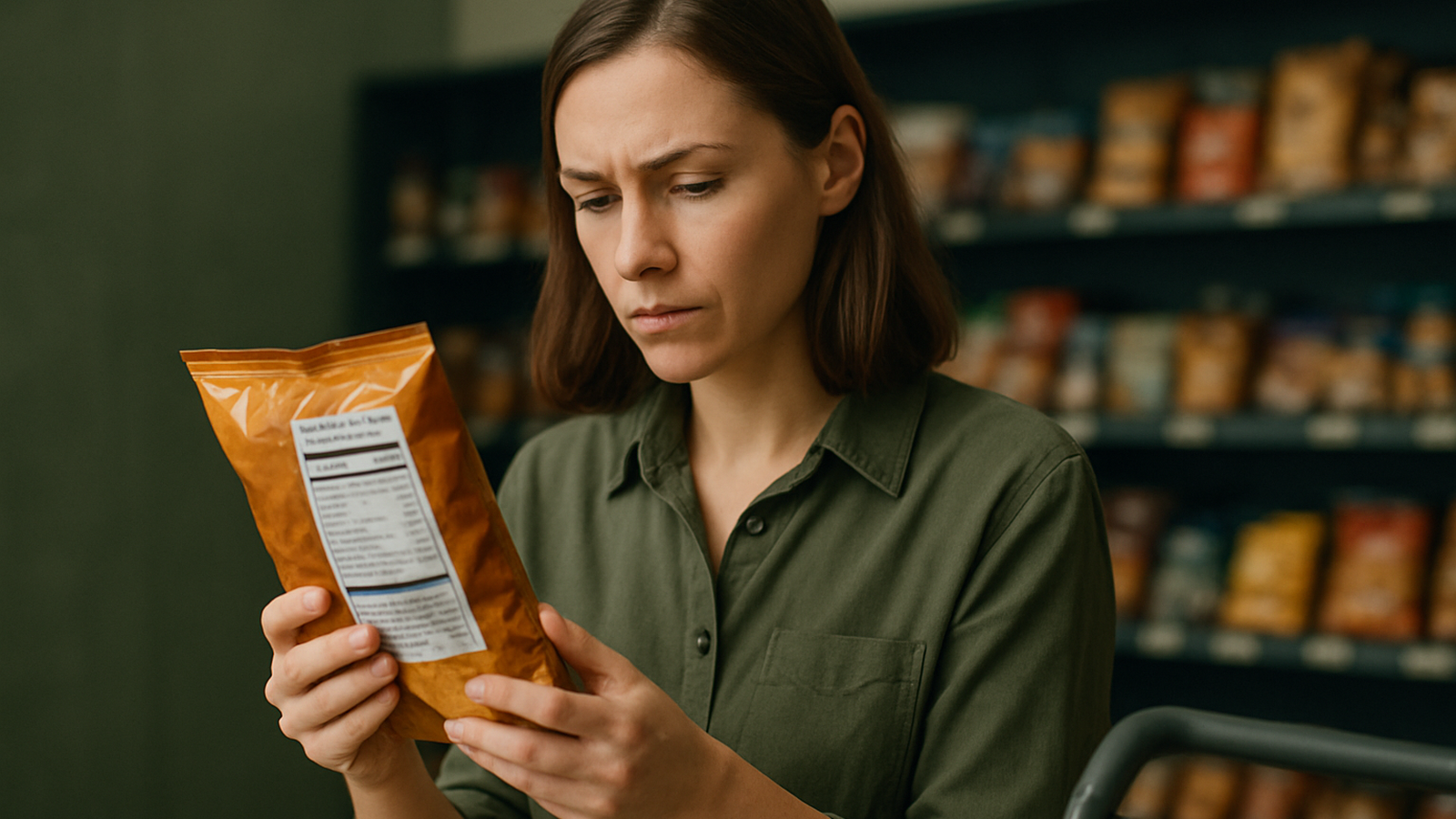
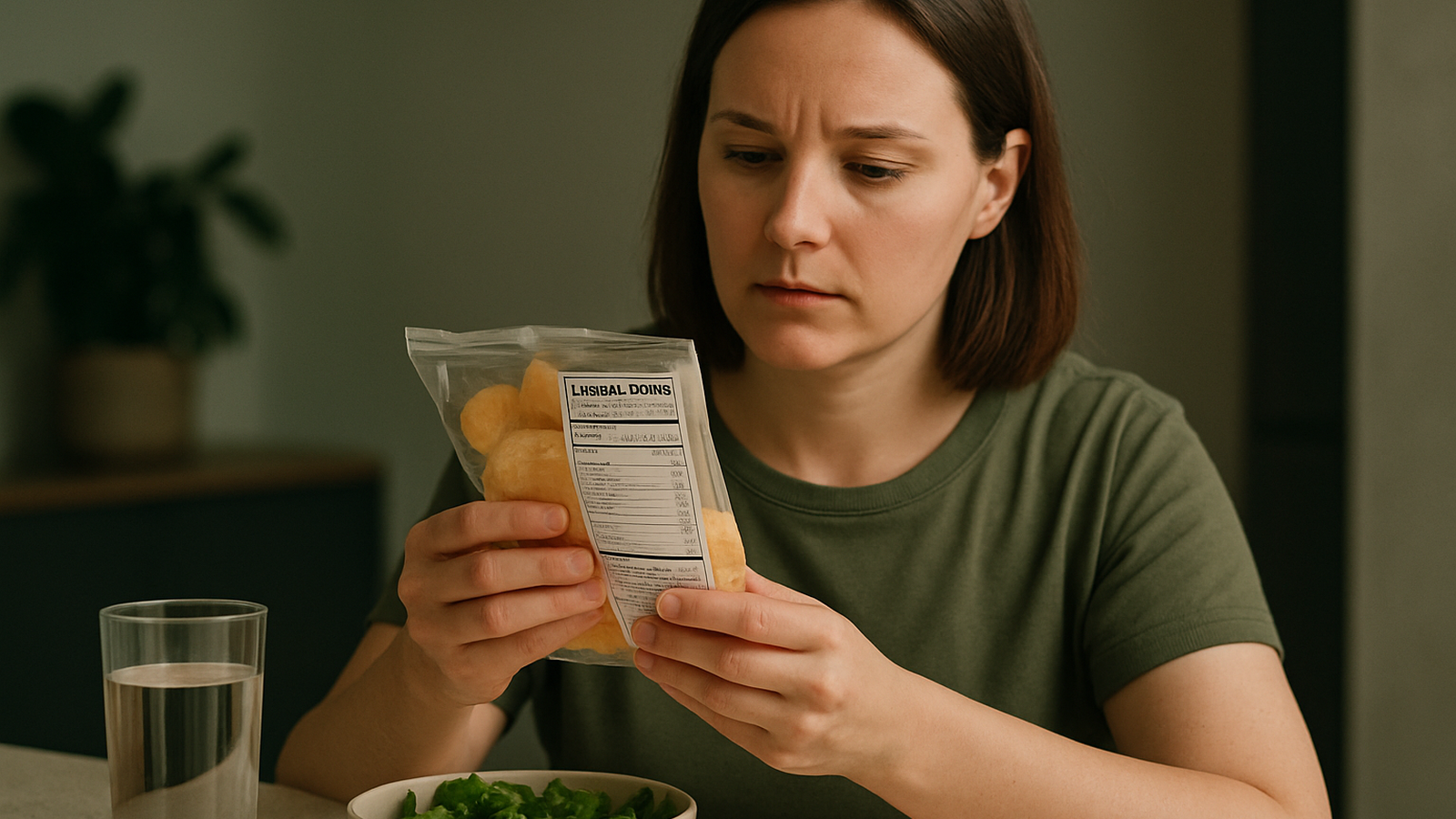
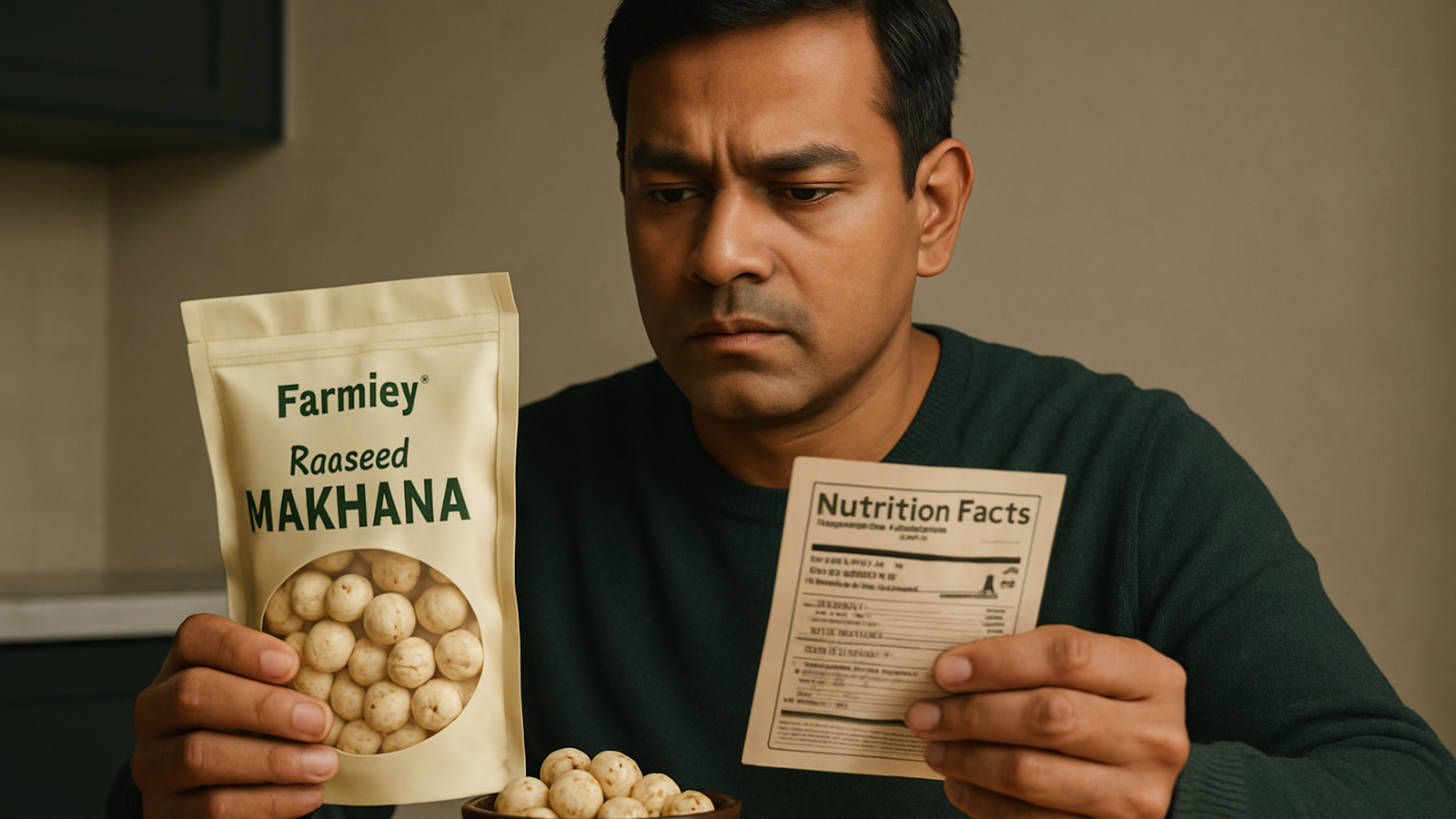
You do not need a blood test to identify ultra-processed foods in your cart. You need an ingredient list.
Ultra-processed foods are industrial formulations typically containing ingredients you would not find in a home kitchen: hydrolyzed proteins, modified starches, emulsifiers, flavor enhancers, colorants, and preservatives designed for shelf stability and palatability. Long ingredient lists with unfamiliar chemical names are a reliable signal. Product categories typically classified as ultra-processed include packaged snacks, soft drinks, reconstituted meat products like nuggets and hot dogs, instant noodles, and ready-to-heat meals with multiple additives.
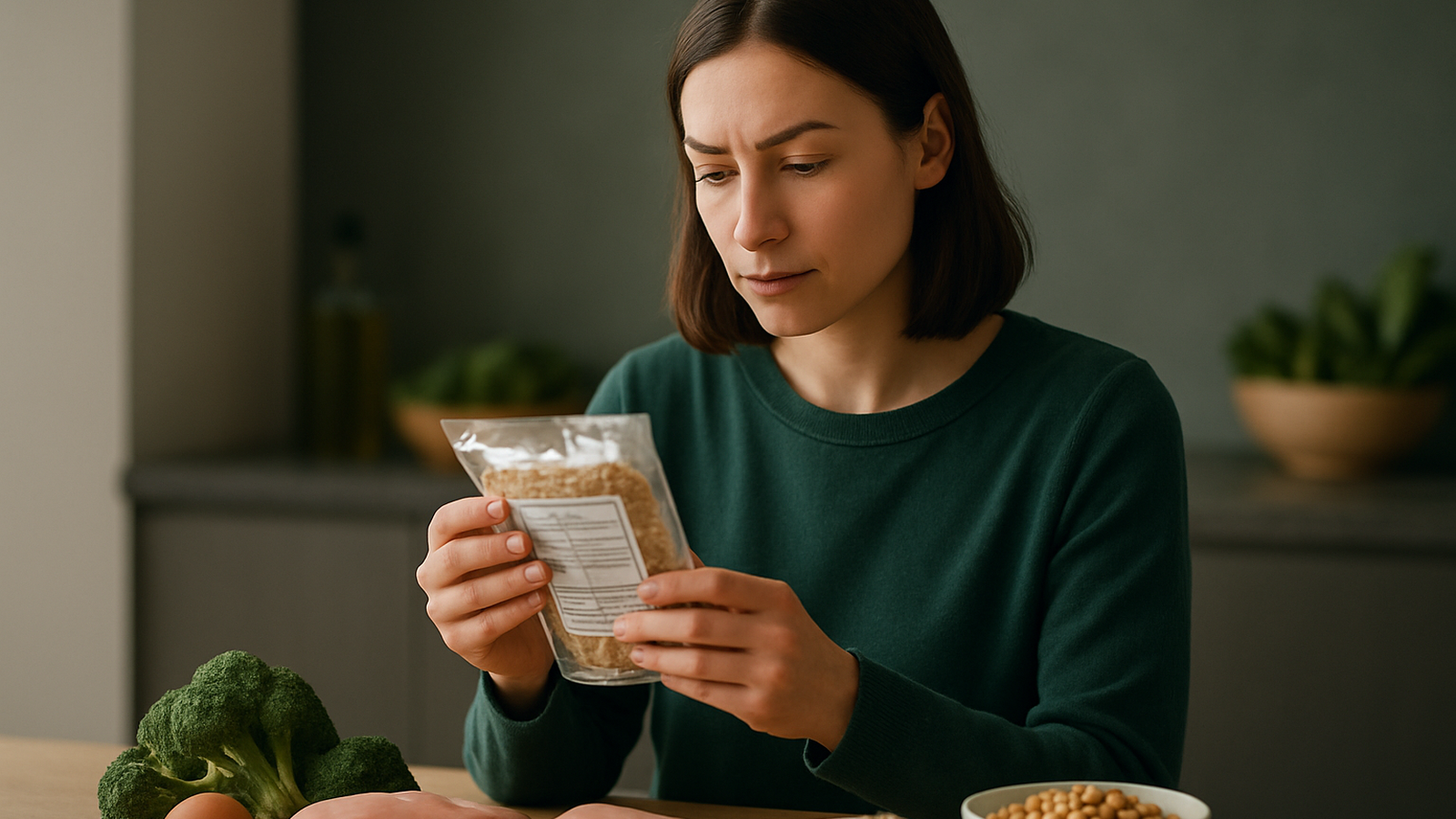
Compare whole-food alternatives in the same aisle. Plain oats versus flavored instant oatmeal. Whole chicken versus breaded, pre-seasoned strips. Sparkling water versus soda. The ingredient list tells you immediately which is which. No blood test required.
What would need to happen for this test to become useful
For this test to matter in your household, several things must happen first.
A peer-reviewed publication must appear, naming the specific biomarkers measured and describing the validation cohort—how many people were tested, how their blood results compared to their actual diets, and how accurate the test proved across different ages, weights, and eating patterns. Clinical availability must follow, with a clear ordering pathway through doctors or labs. A recognized health authority—such as a national public health agency or professional medical society—must review the evidence and issue guidance on when and how the test should be used. Demonstrated accuracy and reliability in diverse populations must be documented, not just claimed.
None of that has happened. A single news headline does not establish a broader scientific consensus or clinical standard for measuring ultra-processed food intake via blood analysis.
What you can do today
The absence of a validated blood test does not leave households without tools. Ingredient labels remain the most direct and accessible method for identifying ultra-processed foods. Read the list. Count the industrial additives. Compare products. Choose the one with fewer, more recognizable ingredients when the option exists.
This approach requires no lab work, no waiting for test results, no uncertainty about biomarker interpretation. It works in every grocery aisle, every day, with the information already printed on the package.
The Earth.com report offers no new capability, no new evidence, and no new action. Until peer-reviewed validation data, clinical access, and institutional endorsement appear, households have no blood test to request and no reason to wait for one.
Spotting ultra-processed foods by ingredient list—no blood test needed
Comparison basis: Comparison within same food category
| Food category | Ultra-processed example | Whole-food alternative | Label clue |
|---|---|---|---|
| Breakfast cereal | Flavored instant oatmeal (sweeteners, colorants, flavors) | Plain rolled oats | Ingredient list >5 items vs. 1 item |
| Chicken products | Breaded nuggets (modified starch, emulsifiers, preservatives) | Whole chicken breast | Hydrolyzed protein, flavor enhancers present |
| Beverages | Soft drink (high-fructose corn syrup, colorants, phosphoric acid) | Sparkling water | Chemical names for color, flavor, sweetness |
| Snacks | Cheese puffs (maltodextrin, artificial flavors, multiple colorants) | Plain nuts or seeds | Long list of unfamiliar additives |
| Noodles | Instant ramen (flavor packets, preservatives, modified starch) | Dried pasta | Seasoning sachets with >10 ingredients |
| Meat products | Hot dogs (nitrites, phosphates, flavor enhancers) | Fresh ground meat | Reconstituted meat, multiple preservatives |
Ingredient lists vary by brand. Look for industrial additives (emulsifiers, modified starches, hydrolyzed proteins, colorants) not found in home kitchens.







Comments
No login needed. Keep it kind — abusive language is filtered.