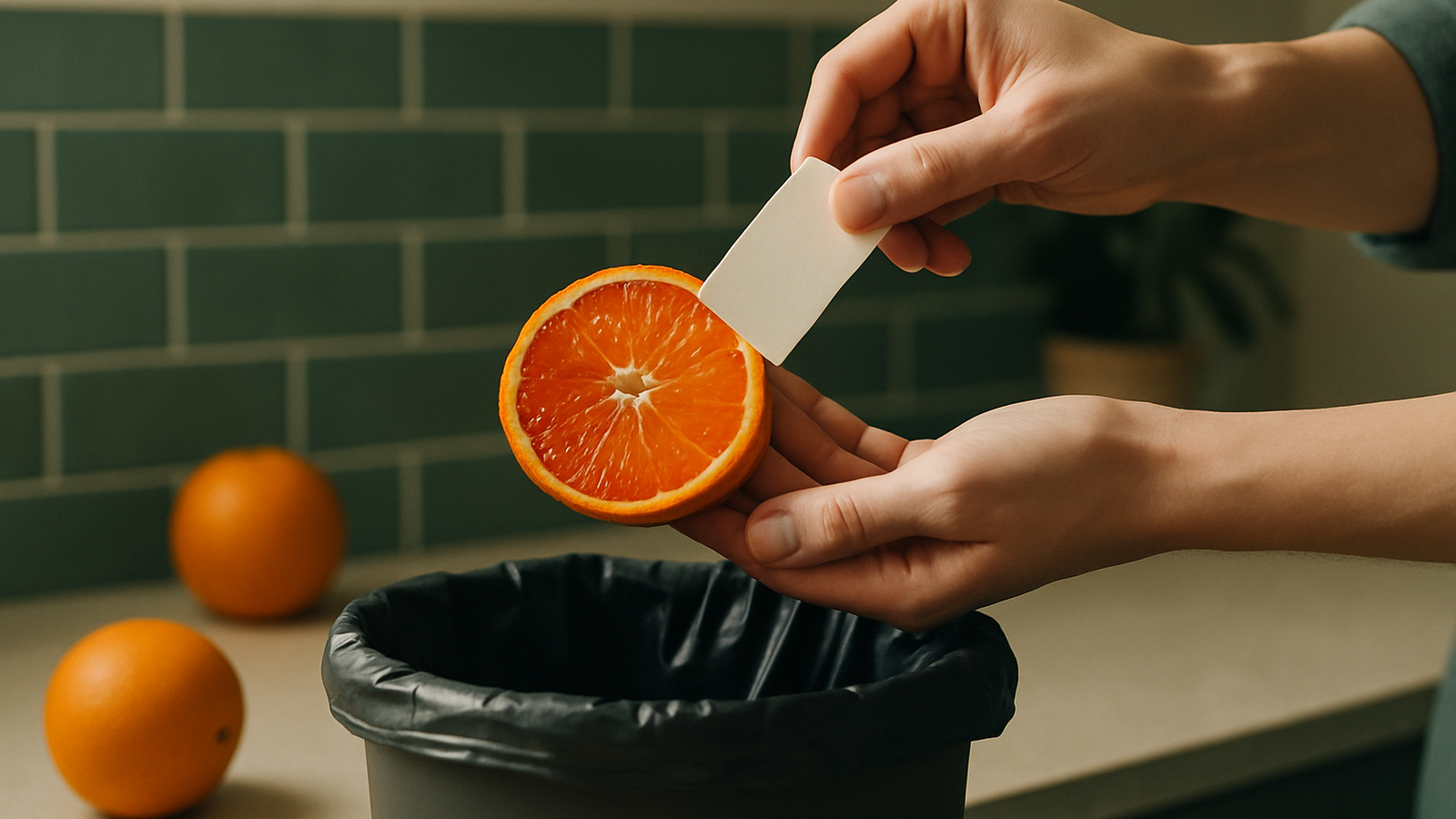
The US Food and Drug Administration has revoked authorization for the food additive Orange B and proposed removing Citrus Red No. 2 from the list of color additives permitted in food. Both are petroleum-based dyes, and both have been largely absent from American grocery shelves for years.
The action represents a regulatory housekeeping effort more than a food-safety alarm. The FDA is updating its list of authorized color additives by removing outdated permissions—not responding to an immediate health crisis or issuing recalls.
The regulatory action: one revoked, one proposed
Orange B's authorization has been formally revoked, a final action that removes the additive from the list of substances food manufacturers may legally use. Citrus Red No. 2 is proposed for removal, meaning the FDA has announced its intent but has not yet finalized the action.
Both additives are petroleum-based color additives, part of a category of synthetic dyes derived from petroleum compounds. The FDA's move updates the roster of authorized color additives by eliminating permissions that no longer reflect current use.
What these additives colored—and why you likely never ate them
The reason this regulatory action doesn't require urgent pantry checks is simple: neither additive has been common in American food products for years, if at all in recent memory.
Orange B was authorized for a highly specific use—coloring the casings of certain sausages. Citrus Red No. 2 was permitted to color the skins of oranges. Both uses were narrow, and neither additive found widespread adoption even when their authorizations were active.
If you've never noticed "Orange B" or "Citrus Red No. 2" on an ingredient label, that's because the odds of encountering them in a current product are vanishingly small. This is not a situation where millions of packages need to be pulled from shelves or where households face hidden risk. The FDA is removing permissions for additives that the food industry has largely stopped using.
Why the FDA is removing them now
The FDA has characterized these actions as part of updating outdated authorizations for certain color additives. The agency is clearing its books of permissions that no longer align with current manufacturing practices or regulatory priorities.
Importantly, the available coverage does not detail specific health risks associated with Orange B or Citrus Red No. 2 that prompted these regulatory actions. The FDA has not publicly claimed that these additives caused documented health harm in humans, nor has it framed the removals as emergency safety interventions.
The distinction matters. Removing an unused or outdated authorization is different from responding to evidence of acute danger. The FDA routinely reviews and updates its lists of permitted substances, and these revocations appear to fall into that category of administrative refinement rather than crisis response.
What remains unknown—and what to watch for
Several questions remain unanswered in current coverage. The exact timeline for when these additives must be fully removed from any remaining products has not been specified. While Orange B's revocation is final, the proposed removal of Citrus Red No. 2 will likely involve a public comment period and additional steps before becoming final.
The specific health risks, if any, that informed these decisions have not been detailed in available reporting. Without that information, it's impossible to know whether the FDA acted on new toxicological data, consumer petitions, or simply a determination that maintaining these authorizations served no purpose.
It's also unclear whether this signals a broader review of petroleum-based color additives or other synthetic dyes. The FDA has not announced a sweeping initiative to reconsider all such substances, and these two removals should not be interpreted as evidence that other authorized color additives are under similar scrutiny.
Readers interested in tracking developments can monitor FDA announcements for updates on the Citrus Red No. 2 proposal and any additional color additive actions.
If you want to check your labels—or skip the search
If you're determined to verify whether any product in your home contains these additives, look for "Orange B" or "Citrus Red No. 2" in the ingredient list. Those are the names that would appear on labels.
That said, the search will almost certainly turn up nothing. These additives were authorized for niche uses and have not been common in the food supply for years. This is not a recall, and there is no urgent need to audit your pantry or discard products.
If, against the odds, you do find a product containing one of these additives, the item is not immediately unsafe to consume based on current FDA guidance. The revocation and proposal mean manufacturers will need to reformulate or stop using these dyes, but they do not constitute a declaration that existing products pose imminent harm.
The takeaway is straightforward: the FDA is removing two petroleum-based color additives from its authorized list, but neither has been a meaningful presence in American food for years. No pantry purge required, no widespread reformulation imminent—just a regulatory update that clears outdated permissions from the books.
Common synthetic food dyes still authorized in the US
Comparison basis: Not applicable—presence/absence comparison
| Color additive | Typical foods | Label clue | Category |
|---|---|---|---|
| Red No. 40 | Candy, fruit drinks, baked goods | Allura Red AC | Petroleum-based |
| Yellow No. 5 | Chips, cereals, soft drinks | Tartrazine | Petroleum-based |
| Yellow No. 6 | Cheese products, desserts, beverages | Sunset Yellow | Petroleum-based |
| Blue No. 1 | Ice cream, candy, sports drinks | Brilliant Blue FCF | Petroleum-based |
| Caramel color | Cola, soy sauce, baked goods | Caramel coloring | Heat-processed |
| Beet juice | Yogurt, ice cream, beverages | Beet juice concentrate | Plant-based |
| Turmeric | Mustard, curry products, rice | Turmeric extract | Plant-based |
Orange B and Citrus Red No. 2 are being removed but were rarely used. Other petroleum-based dyes remain authorized and common in processed foods.


Comments
No login needed. Keep it kind — abusive language is filtered.