
Why the Hindustan Times piece landed—and what it leaves out
The Hindustan Times recently published an article offering five flavor suggestions for consumers bored with the taste of their protein powder. The piece acknowledges a real friction point: flavor fatigue makes it harder to stick with a supplement routine. When something tastes like sweetened chalk every morning, adherence becomes a willpower exercise.
But the article doesn't ask a prior question: whether continued supplementation serves your diet at all. Most adults can meet their protein requirements through a mixed diet. Before you fix the taste, it's worth considering whether you need the powder in the first place.
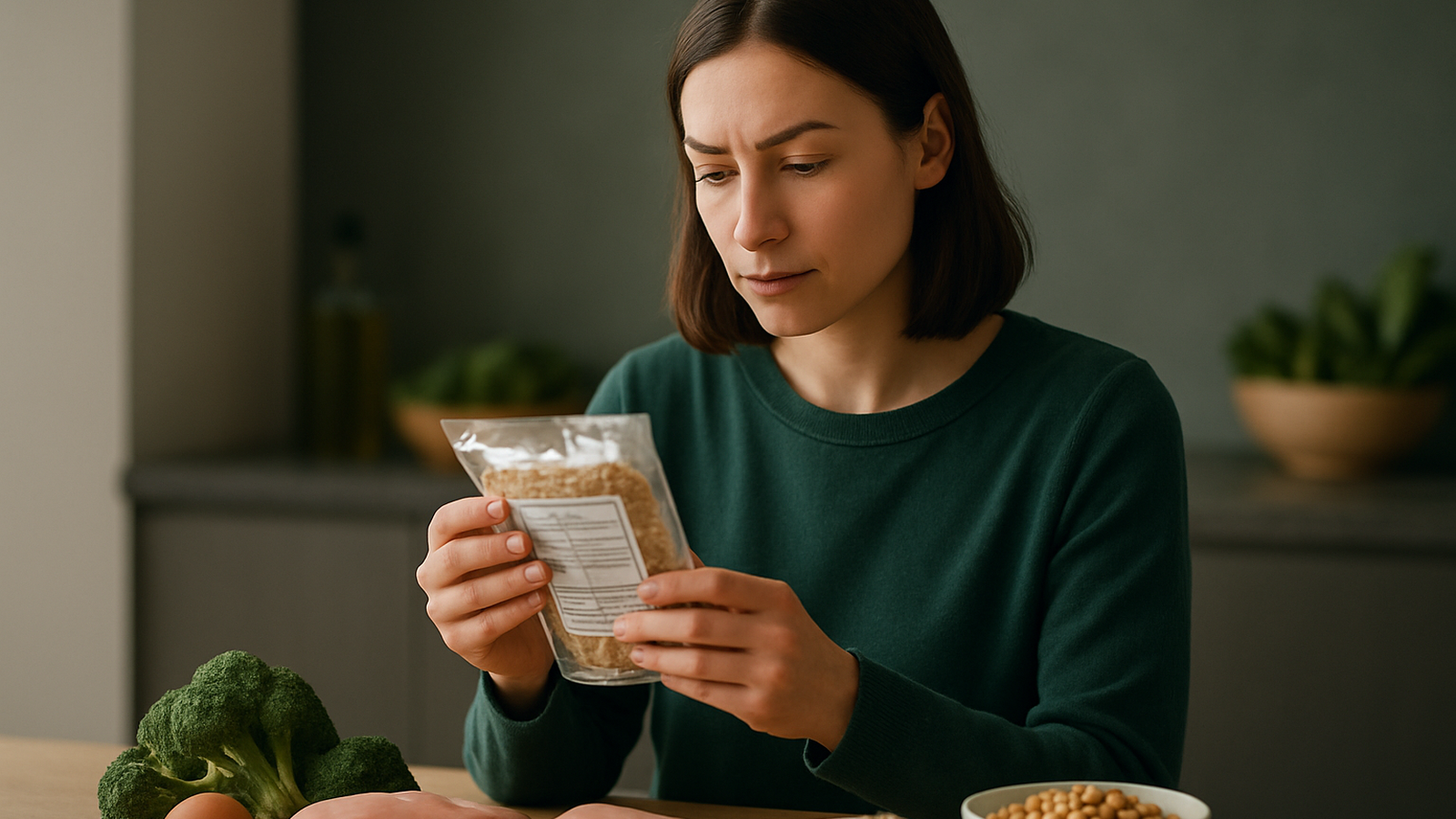
The label check before you add anything
If you decide to keep using protein powder, the instinct to improve the flavor makes sense. But here's what most flavor-fix advice skips: commercial flavoring additives have their own ingredient lists.
Flavor drops, powdered mix-ins, and flavored syrups marketed for protein shakes aren't neutral additions. They carry added sugars, artificial sweeteners, and sometimes undisclosed allergens. A "natural vanilla" flavoring might include maltodextrin, sucralose, and gum blends you wouldn't choose if you saw them listed plainly.
The same label-reading rigor you applied when selecting your protein powder should apply to what you add to it. Check total sugars, identify sweetener types, and scan for additives you're trying to avoid. A chocolate-flavored powder you rejected for containing six grams of added sugar per serving doesn't become a better choice when you add a syrup that contributes five more.
Whole food add-ins—unsweetened cacao powder, frozen fruit, cinnamon, vanilla extract—offer transparency. You know exactly what you're adding. But they don't carry therapeutic properties beyond flavor. Cacao adds taste and some calories; it doesn't transform your shake into an antioxidant intervention.
When whole foods solve both the taste problem and the supplement question
Here's the alternative that addresses flavor fatigue and the underlying question simultaneously: whole food protein sources that don't require palatability fixes.
For most adults, protein quality and distribution matter more than supplementation. A breakfast of Greek yogurt with berries, a lunch with lentil soup, and a dinner with grilled chicken or tofu provides complete protein alongside fiber, vitamins, and minerals that isolated protein powder lacks. No clinical evidence establishes protein powder as superior to whole food sources for general populations.
Eggs don't taste bland after two weeks. Neither do black beans, cottage cheese, or salmon. Whole foods deliver protein without the adherence fatigue that comes from drinking the same flavored liquid daily. When your protein comes from varied sources, palatability is built in.
The mixed diet approach also eliminates the need to scrutinize flavoring agents, count add-in calories, or troubleshoot texture issues. You're eating food, not engineering a tolerable supplement experience.
If you're keeping the powder: practical flavor methods with trade-offs
Some people have specific reasons to continue with protein powder—genuine dietary restrictions, verified deficiencies, or convenience needs that whole foods don't meet. If that's your situation, practical flavor modifications exist.
Blending the powder with frozen fruit changes both taste and texture. Half a banana or a handful of berries masks the base flavor while adding natural sweetness. But it also adds 50 to 80 calories and 12 to 15 grams of sugar. That's not a problem if you're accounting for it; it becomes one if you're adding fruit to a shake you thought was a low-calorie protein boost.
Unsweetened cacao powder, instant coffee, or vanilla extract offer flavor with minimal caloric impact. Cinnamon or nutmeg add warmth without sweetness. Using cold brew coffee or unsweetened almond milk instead of water improves mouthfeel.
Ice changes everything about texture. Blending protein powder with ice and a small amount of liquid creates a thick, shake-like consistency that feels less like a supplement and more like a treat. The sensory experience matters for adherence, even if the nutritional content stays the same.
None of these add-ins have therapeutic properties beyond making the shake more pleasant to drink. And no clinical evidence suggests that flavor variety improves long-term supplement adherence. These are palatability tactics, not health interventions.
The question flavor fatigue might actually be asking
Boredom with the taste of your protein powder doesn't indicate a need for more supplementation. It might indicate the opposite: that you're maintaining a routine out of habit rather than necessity.
For most adults, protein powder is optional. It's a convenience tool, not a health requirement. When the powder serves a specific goal—managing a restricted diet, meeting increased needs during recovery, or solving a genuine time constraint—flavor fatigue is a problem worth solving. When it's serving habit, the adherence challenge is a signal.
Ask whether the powder is doing something your regular meals can't. If you're eating varied sources of protein throughout the day, the supplement may be redundant. If you're using it because you started once and never reconsidered, flavor fatigue is giving you permission to stop.
The decision isn't between flavored powder and bland powder. It's between powder and food. One requires engineering to stay tolerable. The other doesn't.
Common protein shake add-ins: sugar and calorie impact
Comparison basis: Typical single-serving amounts added to one protein shake
| Add-in | Serving | Added sugars | Calories | Label clue |
|---|---|---|---|---|
| Frozen banana | ½ medium | ~7 g natural | ~50 | No ingredient list |
| Frozen mixed berries | ½ cup | ~7 g natural | ~40 | No ingredient list |
| Flavored syrup (commercial) | 1 tbsp | ~10–15 g | ~50 | Check for sucralose, maltodextrin |
| Honey | 1 tbsp | ~17 g | ~64 | Single ingredient |
| Chocolate protein powder (pre-flavored) | 1 scoop | ~3–6 g | ~120 | Look for 'added sugars' line |
| Unsweetened cacao powder | 1 tbsp | 0 g | ~12 | 'Unsweetened' on front label |
| Vanilla extract | 1 tsp | 0 g | ~12 | Alcohol-based, minimal sugar |
| Flavored coffee creamer | 2 tbsp | ~5 g | ~35 | Check for hydrogenated oils |
Values are approximate and vary by brand and recipe. Natural sugars from whole fruit differ metabolically from added sugars in syrups or flavored products.









Comments
No login needed. Keep it kind — abusive language is filtered.