
What 'food noise' describes—and what it doesn't diagnose
The term "food noise" has saturated coverage of Ozempic and weight loss medications, showing up in headlines, social media posts, and patient testimonials. You won't find it in medical diagnostic manuals. It has no standardized clinical definition in medical literature.
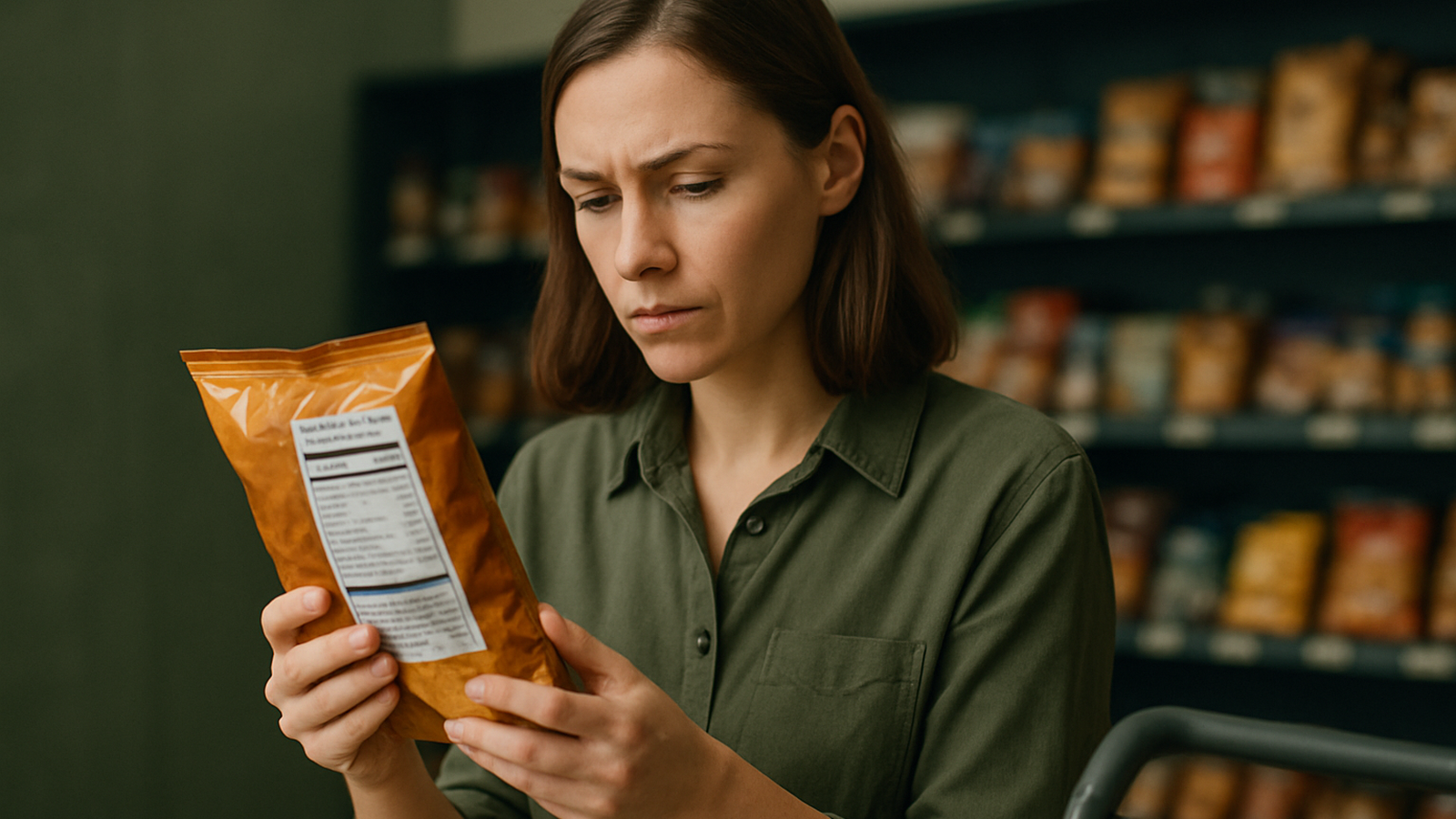
What the term captures is real enough: persistent, intrusive thoughts about food and cravings that loop through your mind—planning the next meal while eating the current one, thinking about snacks during meetings, mentally cycling through restaurant menus. Media and patient discourse use "food noise" as shorthand for this subjective experience, a way to name something many people recognize but medical terminology hasn't formally categorized.
The experience itself is genuine and common. The label is informal. That distinction matters when you're trying to understand what's actually happening in your body and brain.
How GLP-1 medications change what happens in the brain
Semaglutide, the active ingredient in Ozempic, is a GLP-1 receptor agonist. Research indicates that these medications reduce persistent thoughts about food. They influence brain activity related to appetite and food cravings, dampening the neural signals that drive the constant mental chatter about eating.
This isn't a new discovery about how appetite works. The brain pathways that regulate hunger, satiety, and food-seeking behavior have been mapped for years. What's new is the popular term "food noise" and the widespread attention to how GLP-1 drugs affect these circuits.
The medications act on receptors in brain regions that process reward, motivation, and appetite regulation. When those receptors are activated by the drug, the intensity and frequency of food-related thoughts decrease for many users. The mental volume turns down.
Joy Behar's seafood story—what one person's experience reveals
Joy Behar publicly discussed experiencing reduced interest in specific foods, such as seafood, following weight loss associated with Ozempic use. Her account reflects what the biological mechanism produces: a dampening of appetite signals that previously felt compelling or automatic.
Before the medication, certain foods might have generated strong mental pull. After, that pull weakened or disappeared. The thought patterns changed along with the physical hunger cues.
Individual responses to GLP-1 medications vary widely. What Behar experienced with seafood, another person might experience with entirely different foods, or not at all. One person's response does not predict another's. The medication acts on shared biological pathways, but how each brain responds depends on genetics, prior eating patterns, metabolism, and factors researchers are still working to quantify.
What this reveals about appetite regulation in everyone
GLP-1 drugs act on appetite-regulating pathways everyone has, whether you take the medication or not. Your brain produces its own GLP-1 naturally in response to eating. The medications deliver a pharmaceutical dose that amplifies effects your body already generates at lower levels.
Understanding these circuits helps you observe your own hunger and craving patterns. Persistent food thoughts are part of normal appetite regulation, not inherently pathological. They signal energy needs, habit loops, emotional states, or environmental cues—sometimes all at once.
You might notice food thoughts intensify at certain times of day, in response to specific triggers, or when meals lack protein or fiber. You might observe that structured eating reduces mental preoccupation with food, or that stress amplifies it. Recognizing your own patterns does not require medication or a diagnosis. It requires attention to what's already happening.
The fact that a drug can turn down the volume on these thoughts confirms they have biological roots in brain chemistry. It also confirms that the circuits respond to multiple inputs: not just medication, but meal composition, sleep, stress, blood sugar patterns, and eating routines.
What the research does not yet quantify
The extent to which "food noise" reduction contributes to weight loss versus other metabolic mechanisms is not definitively quantified. GLP-1 medications slow gastric emptying, increase insulin secretion, and reduce appetite through multiple pathways. Separating the effect of quieter food thoughts from these other mechanisms remains an open research question.
Long-term psychological effects of quieting food noise via medication are not fully established. Does reducing food-related thoughts change your relationship with eating in lasting ways, or does the effect reverse when the medication stops? How does it interact with learned eating behaviors, food culture, or emotional regulation? These questions lack long-term data.
Individual variation in response is documented but not predictable. Some people report dramatic reduction in food thoughts. Others notice little change. Why the difference? Researchers don't yet have clear answers.
Weight management involves diet quality, physical activity, and medical supervision—not just thought suppression. Authoritative health sources emphasize that quieting mental chatter about food does not, by itself, ensure adequate nutrition, sustainable eating patterns, or long-term health outcomes.
If you experience persistent food thoughts—what to do with this information
Notice when and how persistent food thoughts show up in your own eating patterns. Do they cluster around certain times, moods, or situations? Do they ease after balanced meals or intensify when you skip them? Observation without judgment gives you information about your appetite regulation.
Focus on overall diet quality and meal structure, which influence appetite regulation through the same pathways GLP-1 drugs target. Meals with adequate protein, fiber, and healthy fats tend to produce more sustained satiety signals and steadier blood sugar, which can reduce the intensity of food preoccupation between meals.
If food thoughts interfere with daily life or eating patterns—if they feel unmanageable, distressing, or disconnected from physical hunger—consult a healthcare provider or registered dietitian. They can assess whether underlying factors like blood sugar dysregulation, nutrient deficiencies, disordered eating patterns, or other medical conditions are contributing.
GLP-1 medications are prescription drugs for specific medical indications, not a response to subjective craving experiences alone. They carry side effects, require medical monitoring, and are approved for type 2 diabetes and obesity meeting clinical criteria. Understanding the mechanism does not mean you need the medication.
The appetite circuits these drugs affect are part of your biology whether you ever take a GLP-1 agonist or not. Learning how they respond to food choices, meal timing, sleep, and stress gives you leverage points that don't require a prescription. The term "food noise" may be informal, but the brain pathways it points to are real—and they respond to more than medication.
How everyday factors influence appetite circuits (the same pathways GLP-1 drugs target)
Comparison basis: Per meal or daily pattern as indicated
| Factor | Effect on food thoughts | Practical application |
|---|---|---|
| High-protein breakfast (20–30g) | Reduces mid-morning cravings | Include eggs, Greek yogurt, or protein shake |
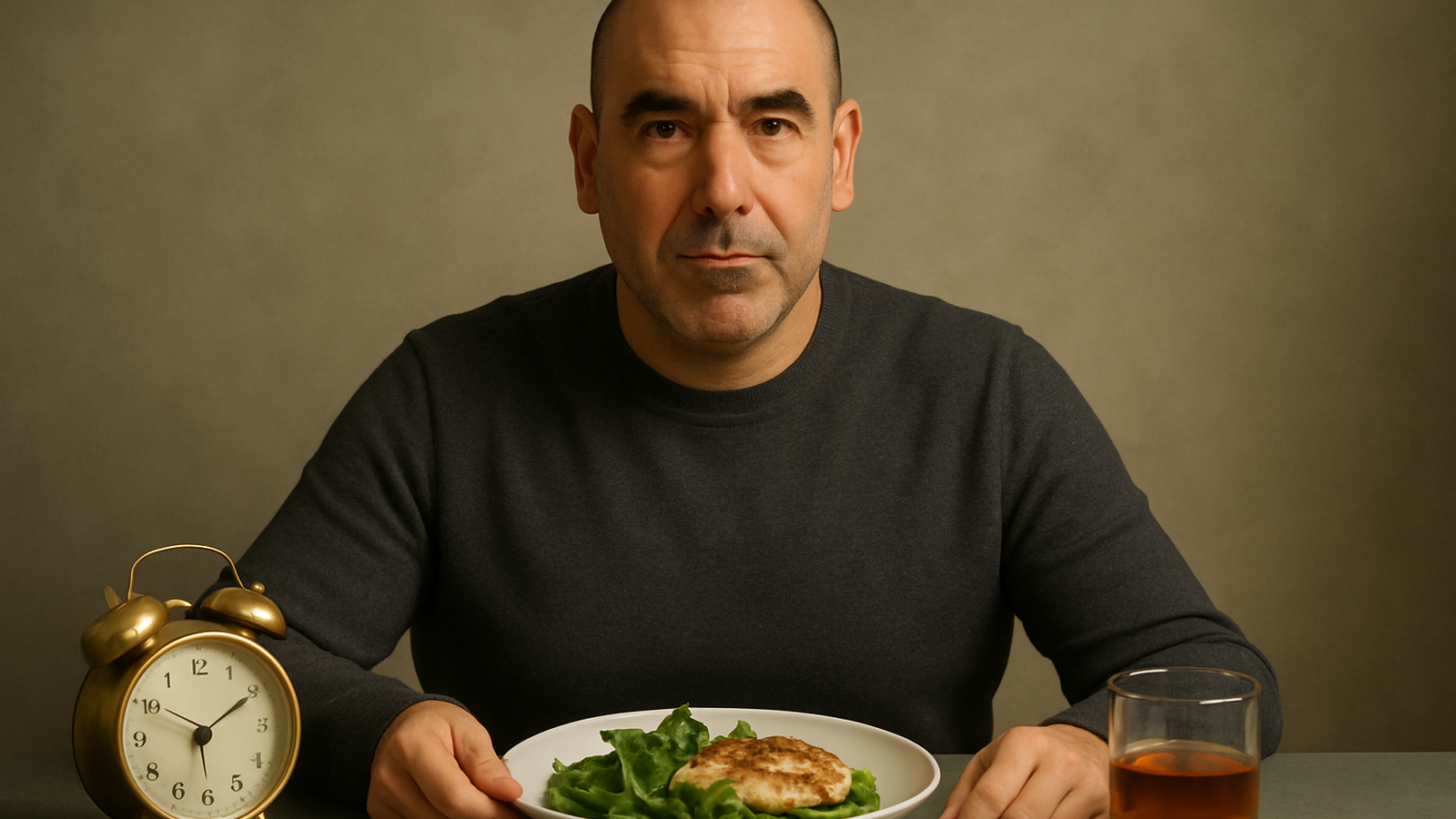
| Skipping meals | Intensifies mental food preoccupation | Eat at consistent times even if portions are smaller |
| Poor sleep (<7 hours) | Amplifies reward-seeking for high-calorie foods | Prioritize sleep as part of appetite management |
| High-fiber meals (8–10g per meal) | Extends satiety signals, steadies blood sugar | Add vegetables, beans, or whole grains to main meals |
| Chronic stress | Increases cortisol, drives comfort food thoughts | Notice stress-eating patterns; address stressors when possible |
| Sugary snacks alone | Causes blood sugar spike then crash, triggering more cravings | Pair carbs with protein or fat (apple with nut butter) |
| Adequate hydration | Prevents thirst misread as hunger | Drink water before assuming you need food |
Effects vary by individual biology, habits, and context. These factors influence the same brain pathways affected by GLP-1 medications.




Comments
No login needed. Keep it kind — abusive language is filtered.