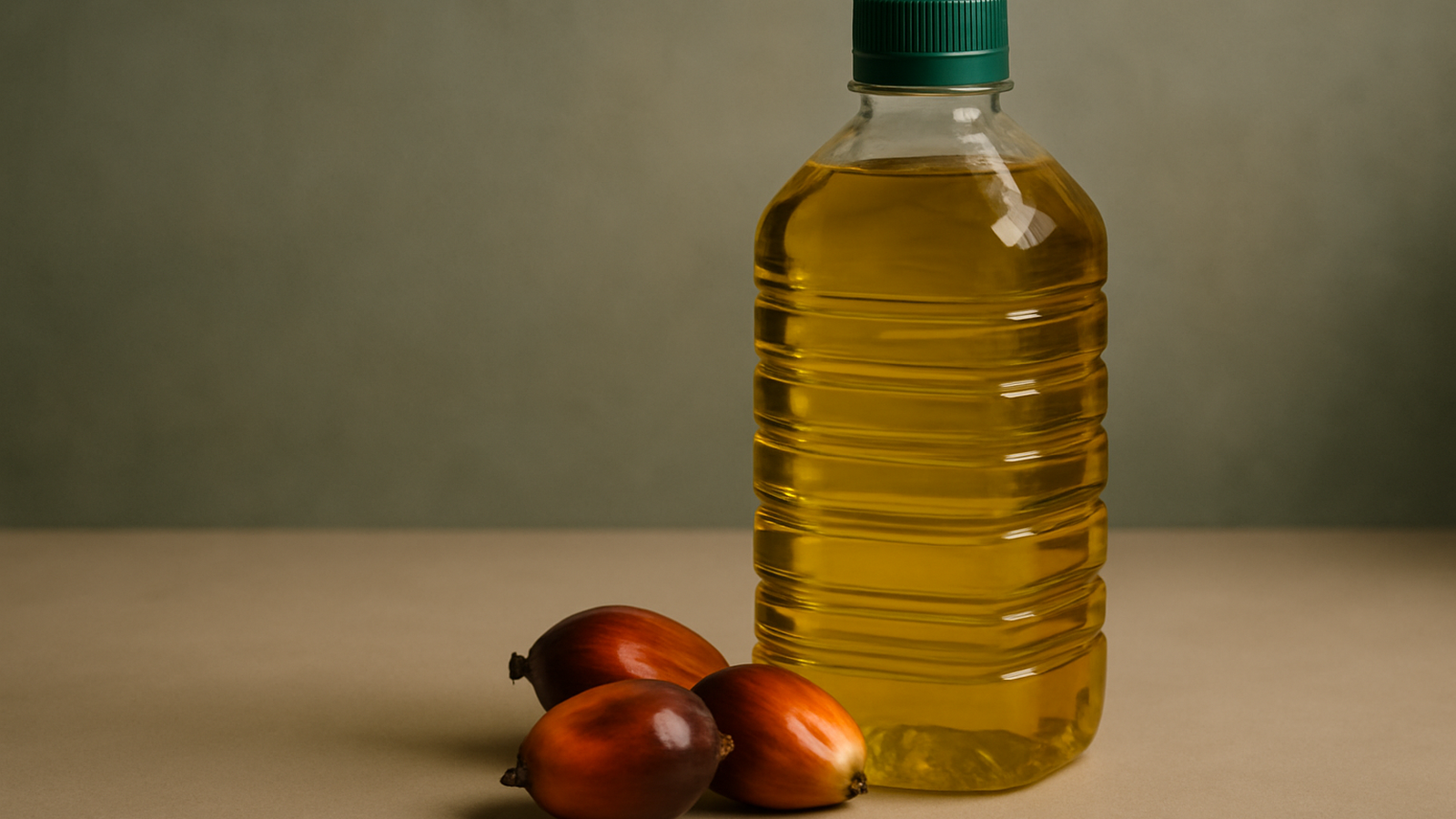
What the Bangalore Mirror report says—and what it doesn't
The Bangalore Mirror reported that the Indian government has given palm oil a "clean chit" amid what the headline calls public panic over processed foods. The report attributes official clearance to the government but names no regulatory document, no scientific threshold, and no safety criteria that officials applied or updated.
The coverage also does not define what "panic" means in this context—whether it refers to social media chatter, consumer complaints filed with regulators, or something else. A single news headline, without supporting regulatory detail, does not establish that a policy shift occurred or that widespread public concern exists beyond the headline itself.
What you can verify is this: the Bangalore Mirror published a report. What you cannot verify from that report alone is what standard was applied, whether any rule changed, or what specific concern officials addressed.
What 'clean chit' language typically signals in Indian food regulation
In Indian regulatory practice, "clean chit" often refers to confirmation that a product or ingredient meets existing compliance standards—not a new endorsement or approval. The Food Safety and Standards Authority of India (FSSAI) sets standards for oils and fats used in processed foods, and those standards already permit palm oil under specified limits for various product categories.
Without a named regulation, a cited threshold, or a documented update to FSSAI rules, readers cannot verify what was "cleared" or whether any standard changed at all. The existing framework already allows palm oil in biscuits, snacks, spreads, and other processed foods, provided manufacturers meet labeling and compositional requirements.
The absence of a cited standard in the report means the "clean chit" language may simply restate what FSSAI rules already permit, rather than signal new scientific review or policy revision. That distinction matters: one tells you nothing new about your pantry; the other would represent a documented regulatory event. The Bangalore Mirror report provides no evidence of the latter.
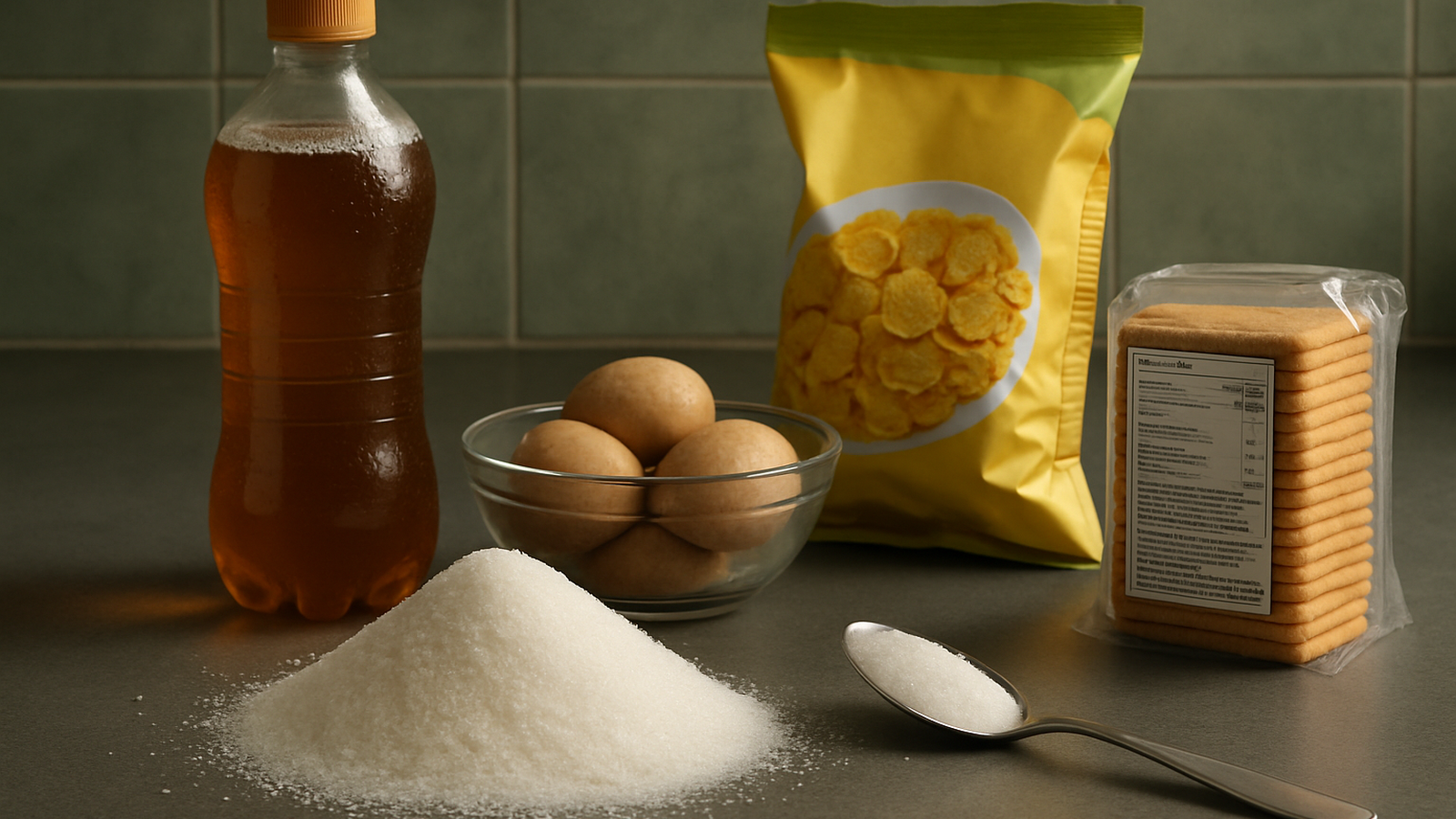
How palm oil appears on the packs you already own
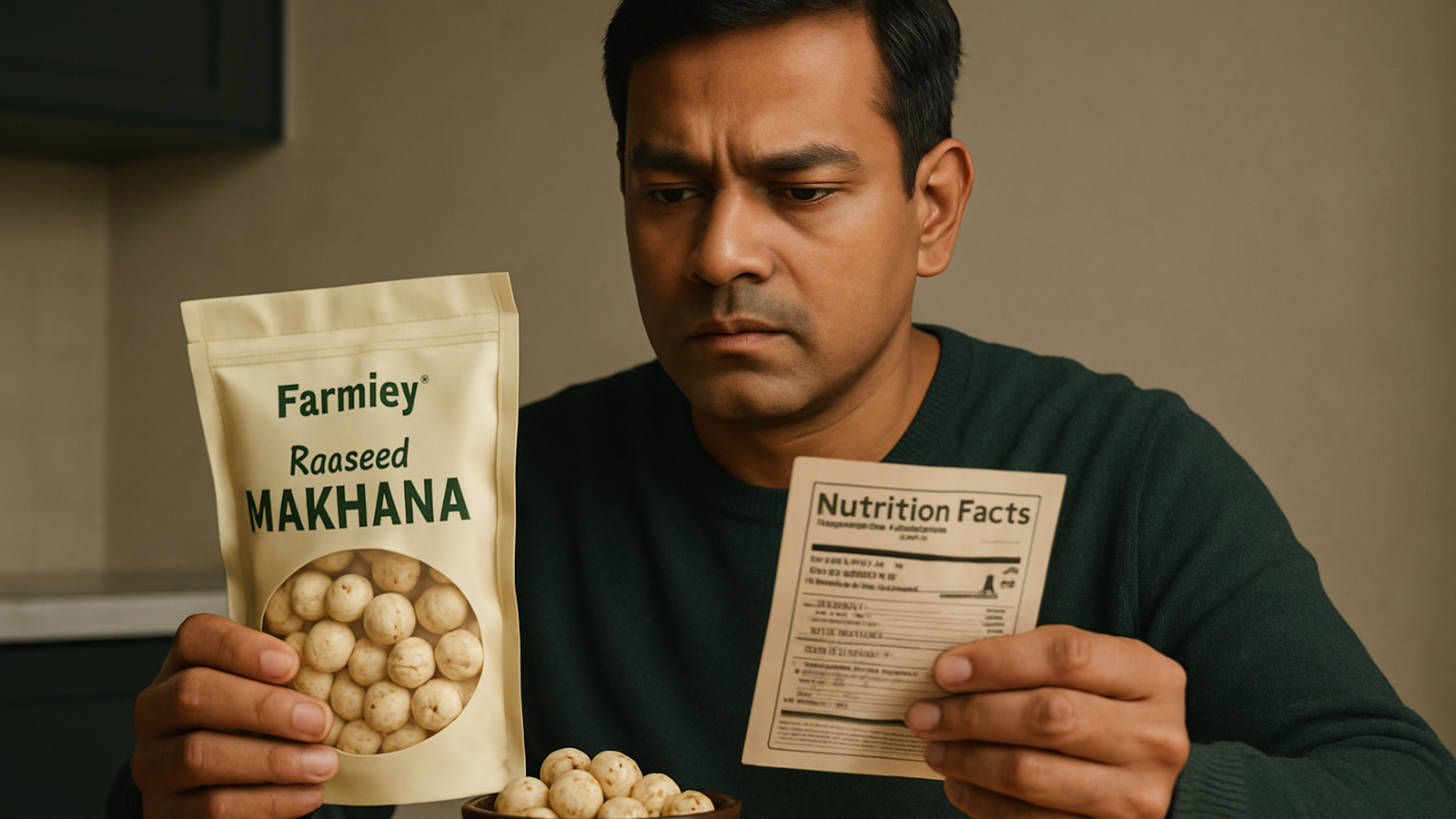
Regardless of government statements, you can identify palm oil in processed foods by reading the ingredient list on any pack. If palm oil is present, it must appear there by law.
Common label variations include "palm oil," "palmolein," "vegetable oil (palm)," or "edible vegetable oil" with palm listed in parentheses. Ingredient order reflects quantity: if palm oil appears early in the list, the product contains more of it; if it appears near the end, the product contains less.
The nutrition facts panel shows total fat and saturated fat per serving. Palm oil contributes to both figures, particularly saturated fat, which makes up roughly half of palm oil's fatty acid profile. If you compare two similar products—say, two brands of cream biscuits—and one lists 3 grams of saturated fat per serving while the other lists 5 grams, the second likely contains more palm oil or other saturated fats, assuming serving sizes are equal.
This label-reading habit works whether or not a government issues a statement. The information is already on the pack.
What the report does not establish—and what you still decide
The Bangalore Mirror report does not establish that palm oil is nutritionally superior or inferior to other oils. It provides no evidence that this represents a new policy rather than a restatement of rules already in place. A single headline does not confirm that widespread public panic exists or that a trend in consumer behavior has occurred.
The story also gives you no basis to recommend increasing or decreasing palm oil consumption. FSSAI standards govern safety and labeling, not optimal intake for individual diets. Those decisions depend on your own dietary goals, health conditions, and preferences—none of which a regulatory "clean chit" addresses.
What the headline does signal is that palm oil remains permissible under Indian food law, which it already was. What it does not signal is that you should change what you buy, eat more processed foods containing palm oil, or assume that "cleared" means "endorsed for health."
You decide your own threshold for palm oil in processed foods. The government's role is to set safety and labeling standards; your role is to read labels and choose accordingly.
If you want to track palm oil in your household—three pack checks
Here is a repeatable method for identifying and quantifying palm oil in the processed foods you already own, independent of regulatory headlines:
Check the ingredient list. Look for "palm oil," "palmolein," or "vegetable oil" with palm specified. If it is not listed, the product does not contain palm oil.
Note its position in the ingredient order. Ingredients appear in descending order by weight. If palm oil is the second or third ingredient, the product contains a substantial amount. If it appears near the end, the product contains a small amount.
Compare saturated fat per serving across similar products. If you are choosing between two brands of the same type of food—crackers, cookies, instant noodles—check the nutrition panel. Higher saturated fat per serving often correlates with higher palm oil content, assuming other ingredients are similar.
This habit works regardless of "clean chit" language, government announcements, or news cycles. The information is on the pack. You read it, compare it, and decide.
Palm oil vs. other cooking oils: saturated fat per tablespoon
Comparison basis: Per tablespoon (approximately 14 g)
| Oil | Saturated fat | Common use in processed foods |
|---|---|---|
| Palm oil | ~7 g | Biscuits, instant noodles, spreads |
| Coconut oil | ~12 g | Bakery items, snack mixes |
| Butter | ~7 g | Cookies, pastries, sauces |
| Sunflower oil | ~1 g | Chips, crackers, salad dressings |
| Canola oil | ~1 g | Fried snacks, mayonnaise |
| Olive oil | ~2 g | Packaged pasta sauces, dips |
Values are approximate and vary by brand, processing method, and blend. Butter is included because it is a common cooking fat with similar saturated fat content to palm oil, helping readers compare across both plant and animal sources. Check the nutrition panel for saturated fat per serving when comparing packaged foods.









Comments
No login needed. Keep it kind — abusive language is filtered.