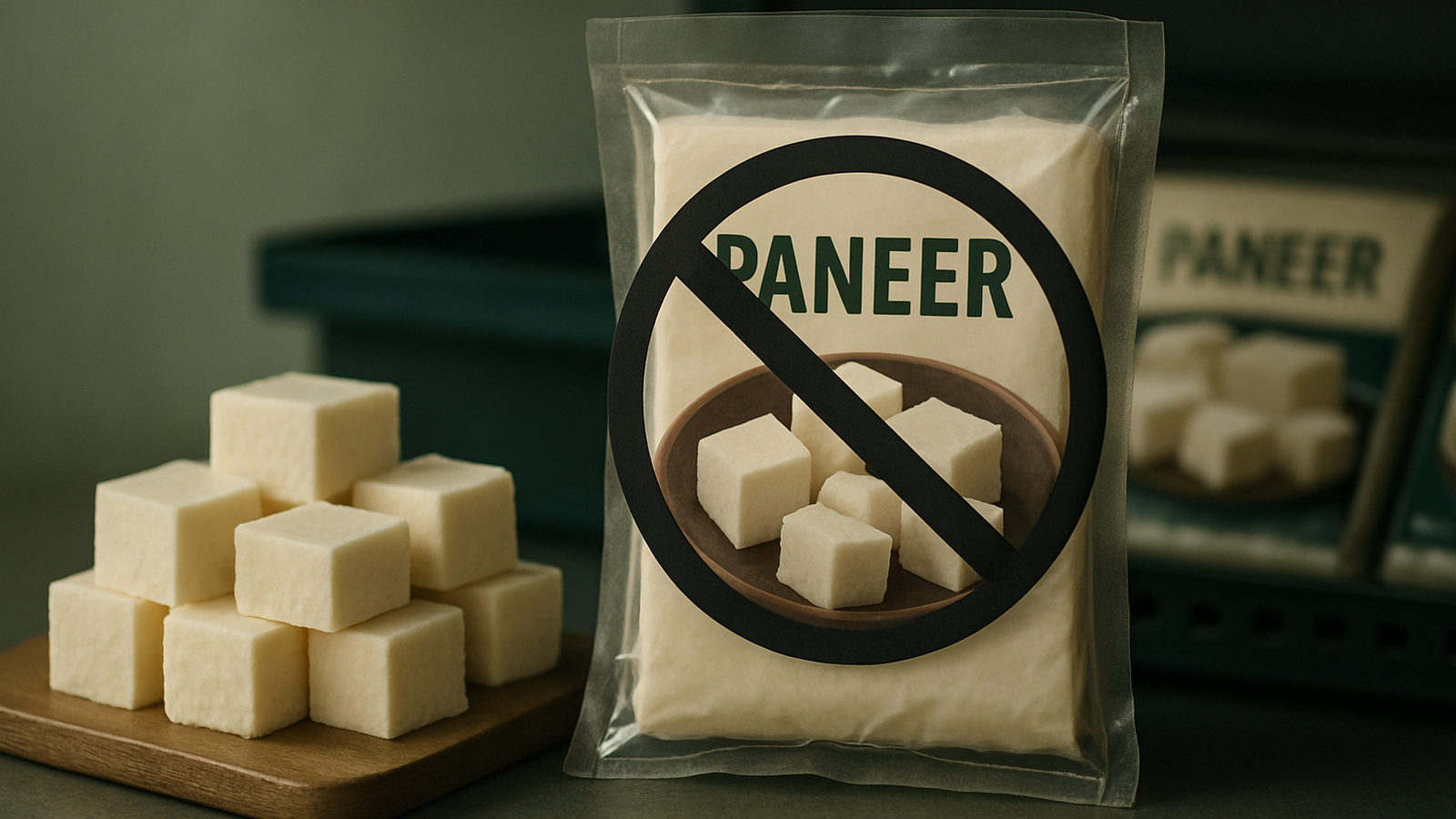
In August 2026, multiple news outlets—including India Today, The Times of India, Moneycontrol, Mint, and others—reported that the Maharashtra government has banned "non-dairy" or "analogue" paneer. The reports cite specific penalties: six months in jail and a Rs 1 lakh fine for violators. Tukaram Mundhe, identified as an official, was named in connection with the enforcement action, which the reports framed as part of a crackdown on food adulteration.
Yet none of the reports link to a published government order, gazette notification, or regulatory text. Without that primary document, households cannot verify whether the ban exists, what products it targets, or when enforcement begins.
The official document that has not appeared
No gazette notification appears in the source material. No direct link to a Maharashtra government order or Food Safety and Standards Authority of India (FSSAI) directive has been published alongside the reports. This leaves a verification gap: readers cannot check the legal text that would define "analogue paneer," list affected products, or confirm the penalties.
The reports also contain conflicting details. One mentions a "one-year ban," while others describe the ban without specifying a duration. A single headline claimed offenders face a "life term" in addition to the six-month jail sentence, contradicting the majority of reports that cite only six months.
Why does the missing official document matter? Because without it, you cannot determine what products on your shelf fall under the alleged ban, whether the rule applies to mislabeled dairy products (already illegal under existing standards) or to clearly labeled plant-based alternatives, or whether enforcement has actually begun.
What 'analogue' or 'non-dairy' paneer could mean—and why definitions matter
In common usage, "analogue" or "non-dairy" paneer refers to cheese-like products made from vegetable oils, starches, or plant proteins instead of milk. These products aim to mimic the texture or appearance of dairy paneer but do not contain milk solids or curd.
FSSAI standards already require that products labeled "paneer" use milk as the primary ingredient. Under current rules, a product made without milk cannot legally be labeled "paneer." If a manufacturer calls a plant-based product "paneer" without milk in the ingredient list, that is already a mislabeling violation.
The term "analogue" does not have a settled legal definition in Indian food law for this category. Without a published order that defines "analogue paneer" or "non-dairy paneer," shoppers cannot know whether the alleged ban targets mislabeled products (which are already prohibited) or introduces a new rule against clearly labeled plant-based alternatives sold under different names, such as "tofu" or "plant-based cheese."
This definitional gap means you cannot verify compliance by reading a pack. The rule—if it exists—has no public text to check against.
What to check on your paneer pack today—regardless of the ban's legal status
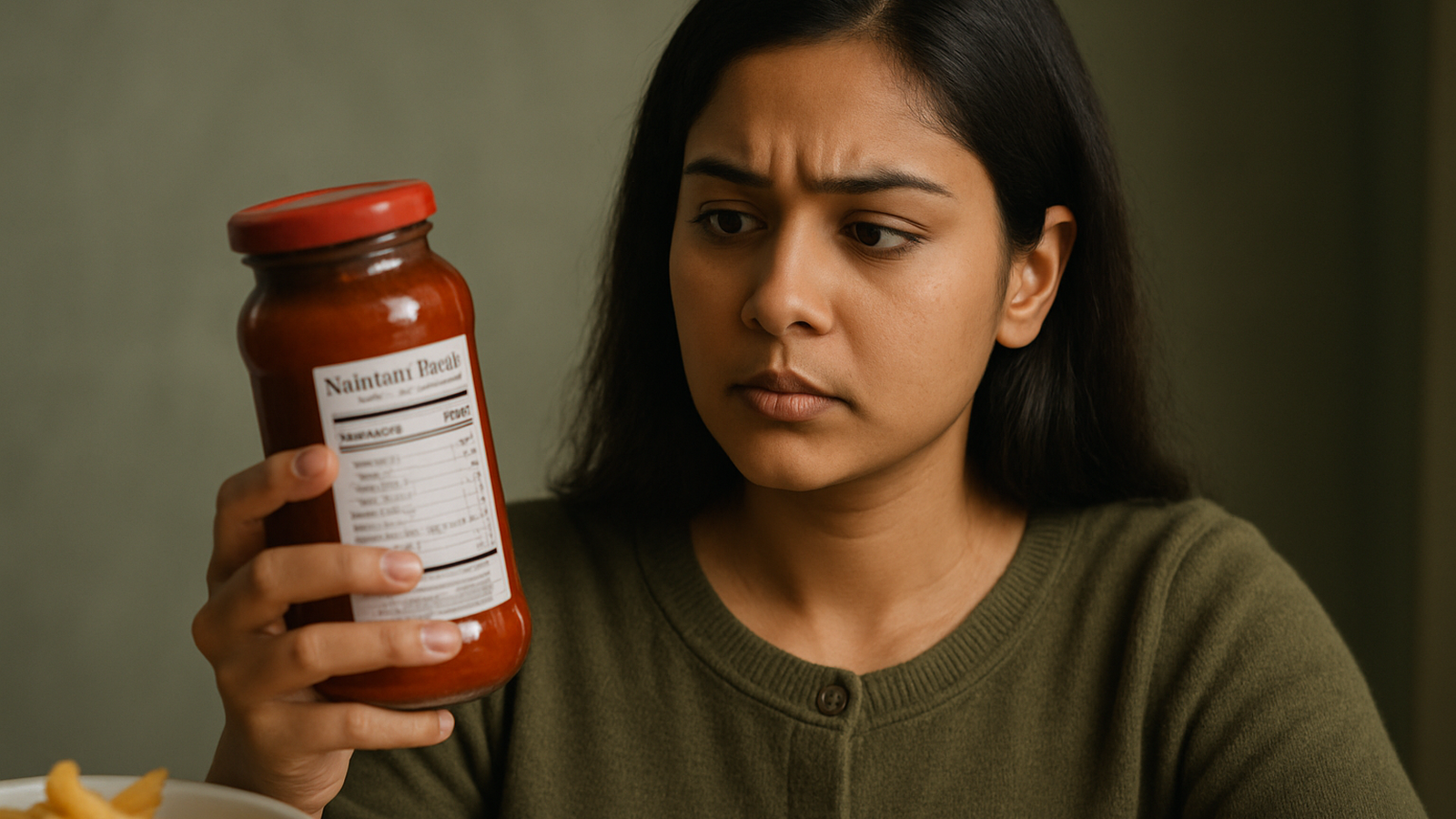
You can verify whether a product is dairy-based or not using the label lines that exist now, independent of the reported ban.
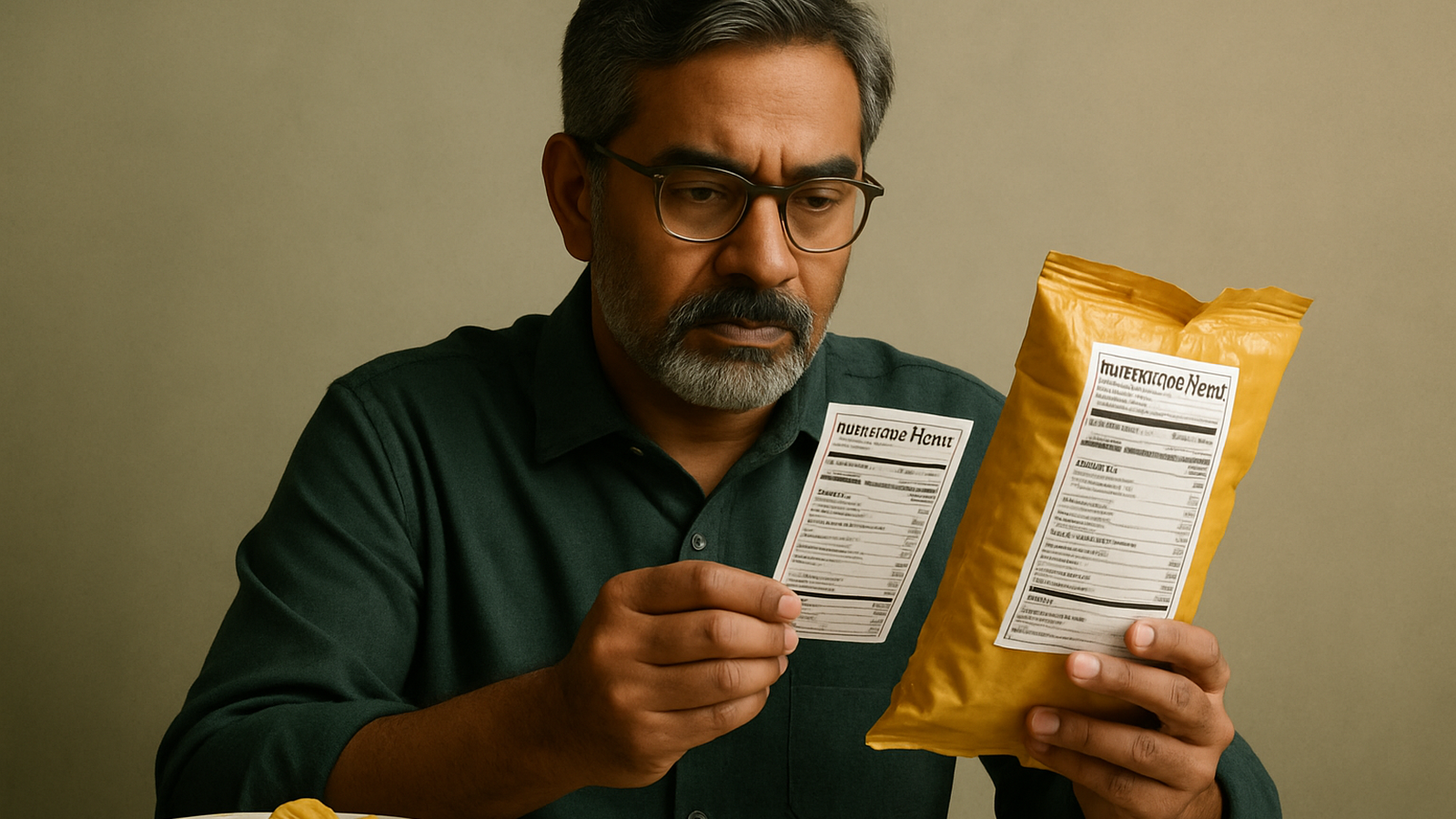
Ingredient list: Milk, milk solids, or curd should appear first if the product is dairy paneer. If the first ingredient is a vegetable oil, starch, or plant protein, the product is not dairy-based.
FSSAI license number and product category: Check the back panel for the FSSAI license and the product category listed. Dairy paneer will fall under milk and milk product categories.
Front-of-pack claims: A product labeled "paneer" without milk in the ingredient list is already a mislabeling violation under current FSSAI standards. Plant-based or vegan alternatives should be labeled as such—for example, "tofu," "plant-based cheese," or "vegan paneer alternative"—not simply "paneer."
These checks work today, whether or not Maharashtra has enacted a new ban.
What this enforcement claim does not establish
The ban is not confirmed law without a published government order. The reports cite an official name and specific penalties, but Tukaram Mundhe's involvement does not substitute for a verifiable statute or notification number.
There is no evidence that paneer currently on shelves is unsafe or subject to immediate recall. The reports do not provide data showing that food adulteration in paneer is rising or that analogue products are widespread in Maharashtra markets.
This is a single-state claim, not a national regulatory shift. No central government or FSSAI announcement has extended such a rule beyond Maharashtra, and no pattern of similar bans in other states has been documented.
The penalties—six months jail and Rs 1 lakh fine—cannot be enforced without a statute that defines the offense, the liable parties (manufacturers, retailers, or both), and the enforcement timeline. None of that detail is publicly available.
Where to find updates if official details emerge
If Maharashtra has enacted such a ban, the official document should appear on the Maharashtra government's official gazette website or the FSSAI notifications portal. You can also contact FSSAI's consumer helpline or the state food safety department for clarification.
When checking for updates, look for:
- A notification number and publication date
- A legal definition of "analogue paneer" or "non-dairy paneer"
- A list of product categories or ingredient profiles covered by the ban
- An enforcement timeline and the parties liable for violations (manufacturers, distributors, retailers)
Until those details are public, the claim remains unverified.
Dairy vs. plant-based paneer alternatives: what the nutrition panel shows
If you want to distinguish dairy paneer from plant-based products by nutrient profile rather than label claims, here is what the nutrition panel typically shows per 100 grams:
Protein content: Dairy paneer typically contains 18–20 grams of protein per 100 grams. Plant-based alternatives vary widely—2 to 12 grams depending on the base ingredient (soy, pea protein, cashew, etc.).
Fat composition: Dairy paneer contains saturated fat from milk. Plant-based versions depend on the oil type used—coconut oil yields higher saturated fat, while soy or sunflower oil yields more unsaturated fat.
Calcium and other micronutrients: Dairy paneer naturally contains calcium and B vitamins. Plant-based versions may be fortified with calcium and other nutrients, or they may not be. Check the nutrition label.
Ingredient list length and additives: Plant-based products often include stabilizers, emulsifiers, and flavor compounds to mimic dairy texture and taste. Dairy paneer typically has a shorter ingredient list: milk, citric acid or lemon juice, and salt.
These differences let you verify what you are buying, independent of front-of-pack marketing or unverified enforcement claims.
---
You now know what the Maharashtra "non-dairy paneer" ban reports said, why the missing official document matters, what "analogue" paneer could mean on a shelf, how to verify dairy versus non-dairy on packs you buy today, what this claim does not prove, and where to watch for official updates if they emerge.
Dairy paneer vs. plant-based alternatives: protein and ingredient comparison
Comparison basis: Per 100 grams
| Product type | Protein per 100g | Typical base ingredient | Ingredient list length |
|---|---|---|---|
| Dairy paneer | ~18–20g | Milk, milk solids | Short (3–4 items) |
| Soy-based alternative | ~10–12g | Soy protein isolate | Moderate (6–10 items) |
| Pea protein alternative | ~8–10g | Pea protein concentrate | Moderate (6–10 items) |
| Cashew-based alternative | ~2–4g | Cashew paste | Moderate to long (7–12 items) |
| Tofu (firm) | ~8–10g | Soybeans, water | Short (2–4 items) |
| Coconut oil blend | ~2–5g | Coconut oil, starch | Long (8–15 items) |
Values are approximate and vary by brand, recipe, and formulation. Check the nutrition panel and ingredient list on each pack for exact values.









Comments
No login needed. Keep it kind — abusive language is filtered.