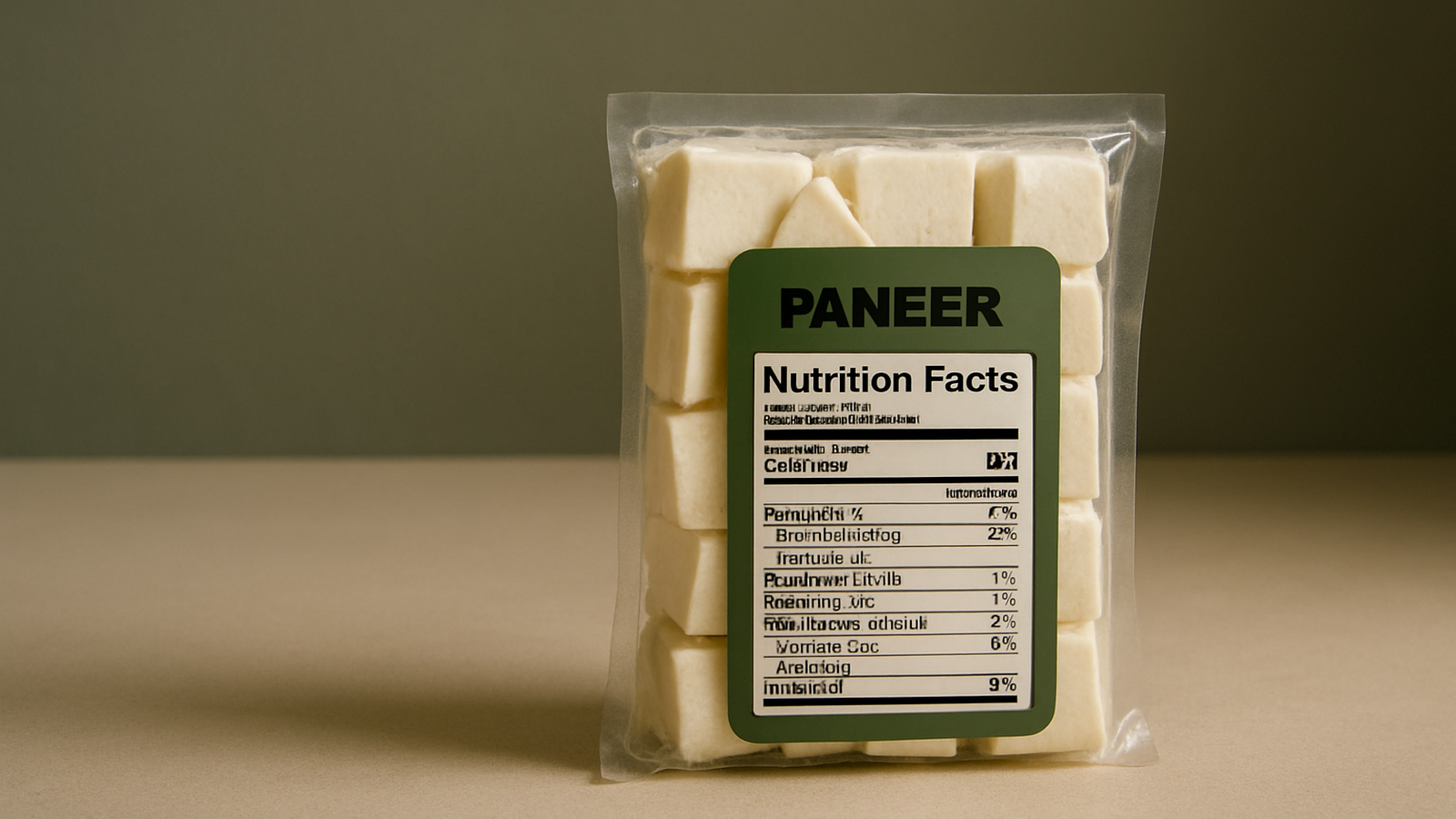
What the single news report says—and what it leaves out
The Food Safety and Standards Authority of India has reportedly proposed a shift in food labeling, favoring detailed nutrition information over front-of-pack warning labels. The proposal surfaced in a single news report via Firstpost, but no official FSSAI document, draft regulation, or gazette notification has been made public.
The report does not specify what criteria the nutrition information would follow, when the proposal might take effect, or whether it represents a draft open for public consultation. Without an official text, shoppers have no way to know whether this idea will become policy, what form it might take, or how long any transition would last. For now, the proposal exists only as a media report, not as a binding rule.
Nutrition information versus warning labels—what each system shows
The two labeling approaches serve different purposes at the grocery shelf. Nutrition information tables—already required on most packaged foods in India—list calories, total fat, saturated fat, sugar, sodium, and sometimes fiber and protein, typically per 100 grams or per serving. These panels let you compare products line by line and track specific nutrients if you're managing a condition like diabetes or hypertension.
Warning labels, by contrast, use symbols or text to flag when a product exceeds thresholds for sugar, salt, or saturated fat. A pack of cookies might carry a "high in sugar" icon; a bag of chips might show "high in sodium." The system is designed for speed: you see the symbol, you know the product is concentrated in that nutrient, and you can decide whether to buy it without reading fine print.
Neither system is inherently superior. Nutrition tables reward careful reading and let you weigh multiple factors. Warning labels reward quick scanning and highlight specific risks. The choice between them reflects different assumptions about how people shop and what information helps them most.
What Indian food packs show today—and how to use it
Current FSSAI regulations already require nutrition information on most packaged foods. If you pick up a box of cereal, a jar of sauce, or a packet of biscuits, you'll find a table listing energy, protein, carbohydrate, total sugars, total fat, saturated fat, trans fat, and sodium. The table may show values per 100 grams, per serving, or both.
To check sugar, look for "Total Sugars" in the carbohydrate section. For salt, check the sodium line—1 gram of sodium equals about 2.5 grams of salt. Compare the "per 100g" column across brands to see which product is more concentrated, or check the "per serving" column if you know how much you'll eat. Pay attention to serving sizes: a pack that looks low in sugar per serving may contain three servings, tripling your actual intake.
If you're shopping this week, these panels are your best tool. They haven't changed, and they won't until a new rule is notified.
Why this proposal does not mean packs will change soon
A proposal is not a regulation. Even when FSSAI drafts a new rule, the process typically includes public consultation, stakeholder feedback, legal review, and gazette notification before manufacturers must comply. None of those steps has been announced for this proposal.
Without a published draft, no one—manufacturers, retailers, or shoppers—knows what "nutrition information instead of warning labels" would actually require. Would it mean enhanced tables with larger type? Color-coded nutrient levels? A new layout? Until FSSAI releases official criteria, the phrase remains vague.
The packs in your kitchen will look the same until a final rule is notified in the official gazette and an implementation timeline is set. Shoppers should continue using the nutrition panels that already exist, not wait for a policy change that may or may not arrive.
What remains unknown—and where to watch for updates
The proposal leaves critical questions unanswered. What specific format would the nutrition information take? Would it replace or supplement existing panels? What thresholds, if any, would trigger additional disclosure? And does this idea reflect FSSAI's final position, or is it an early-stage discussion?
The single news report does not establish a broader trend. This is a proposal in one country, with no evidence of parallel moves elsewhere or coordination with international labeling standards.
If you want to track whether this becomes real policy, check the FSSAI website for draft notifications or the official gazette for new regulations. When and if fuller details emerge, the questions to ask include: What are the exact nutrient thresholds or display requirements? What is the timeline for manufacturers to comply? How will enforcement work?
Until those answers appear in an official document, the proposal remains exactly that—an idea without a rule, a timeline, or a guaranteed outcome. Your shopping decisions can stay the same.
Sodium in common packaged foods—what the nutrition panel shows
Comparison basis: Per 100 grams
| Food / drink | Sodium per 100g | Salt equivalent | Label clue |
|---|---|---|---|
| Instant noodles | ~1500–2000 mg | ~4–5 g | Check per pack, not per serving |
| Salted biscuits | ~400–700 mg | ~1–1.8 g | Compare brands in same category |
| Tomato ketchup | ~800–1200 mg | ~2–3 g | Two tablespoons add ~200 mg sodium |
| Breakfast cereal (corn flakes) | ~600–900 mg | ~1.5–2.3 g | Often higher than expected |
| Potato chips | ~500–800 mg | ~1.3–2 g | Small pack = ~150–250 mg sodium |
| Bread (white or brown) | ~400–550 mg | ~1–1.4 g | Two slices = ~200–300 mg sodium |
| Pickles (mango, lime) | ~3000–5000 mg | ~7.5–12.5 g | Tiny portion, very high sodium |
Values are approximate and vary by brand, recipe, and formulation. 1 gram sodium = ~2.5 grams salt. Check the nutrition panel per 100g column to compare products directly.











Comments
No login needed. Keep it kind — abusive language is filtered.