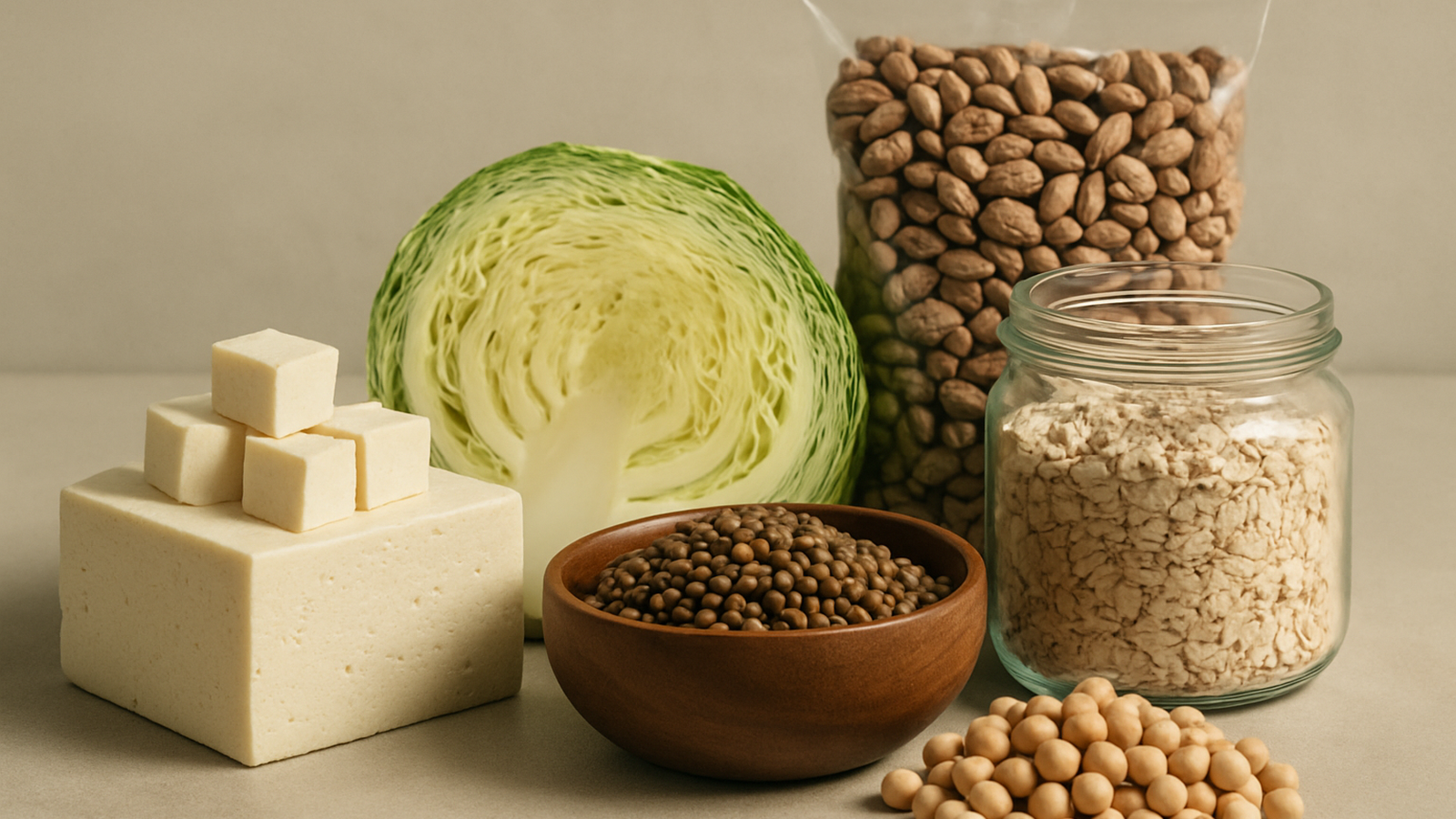
A Moneycontrol article lists five foods as protein-rich, high-fiber, and low-cost—but names no expert, supplies no nutritional data, and offers no price verification. The five foods mentioned are moong dal, chana dal, whole wheat flour (atta), rolled oats, and peanuts. You can check all three claims yourself using the nutrition panel and the price tag.
What the Moneycontrol article claims—and what it leaves out
The Moneycontrol article presents moong dal, chana dal, whole wheat flour, rolled oats, and peanuts as budget-friendly and nutrient-dense, framing them as a solution to the idea that healthy eating is inherently expensive. It attributes the list to a "gut doctor" but provides no name, no credentials, and no supporting analysis.
No nutritional breakdown appears. No retail price comparisons. No data to verify whether these five foods actually deliver the protein and fiber claimed, or whether they cost less than alternatives you already buy.
A single article does not establish broader consensus about affordability or nutrition. What it does offer is a starting point for a skill you control: reading the label and doing the math yourself.
Why you need to verify the five foods yourself
The article does not provide nutritional data or price verification for moong dal, chana dal, whole wheat flour, rolled oats, or peanuts. "Cost nothing" is not a factual price claim—it's marketing language. Without data, you must check the nutrition panel and the price tag on any food you consider, whether it appears on this list or not.
Treat the five foods as examples for a label-reading tutorial, not gospel. The verification method works on any shelf, for any food, in any budget range you define.
Reading protein content—what to look for and what counts as 'rich'
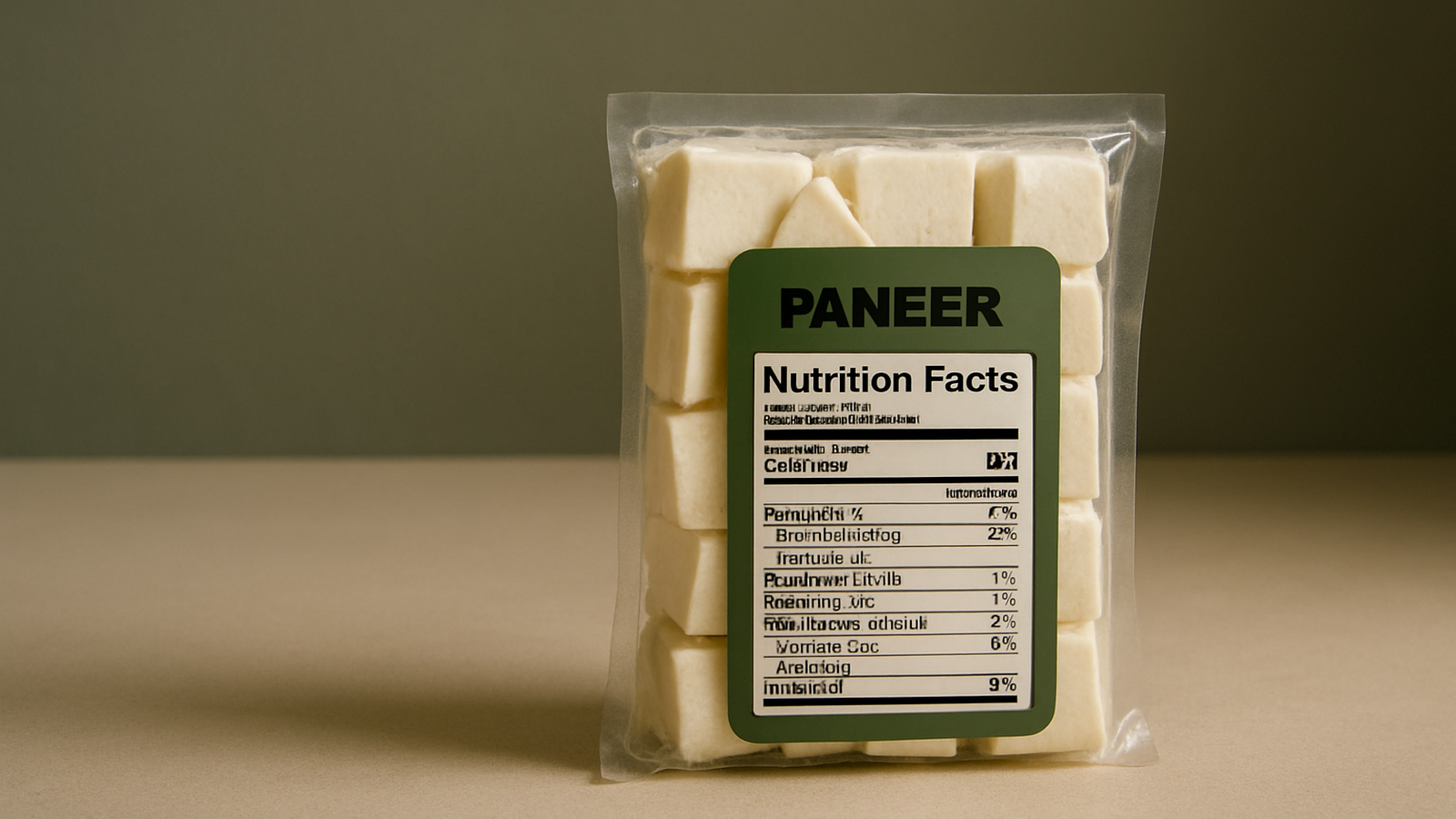
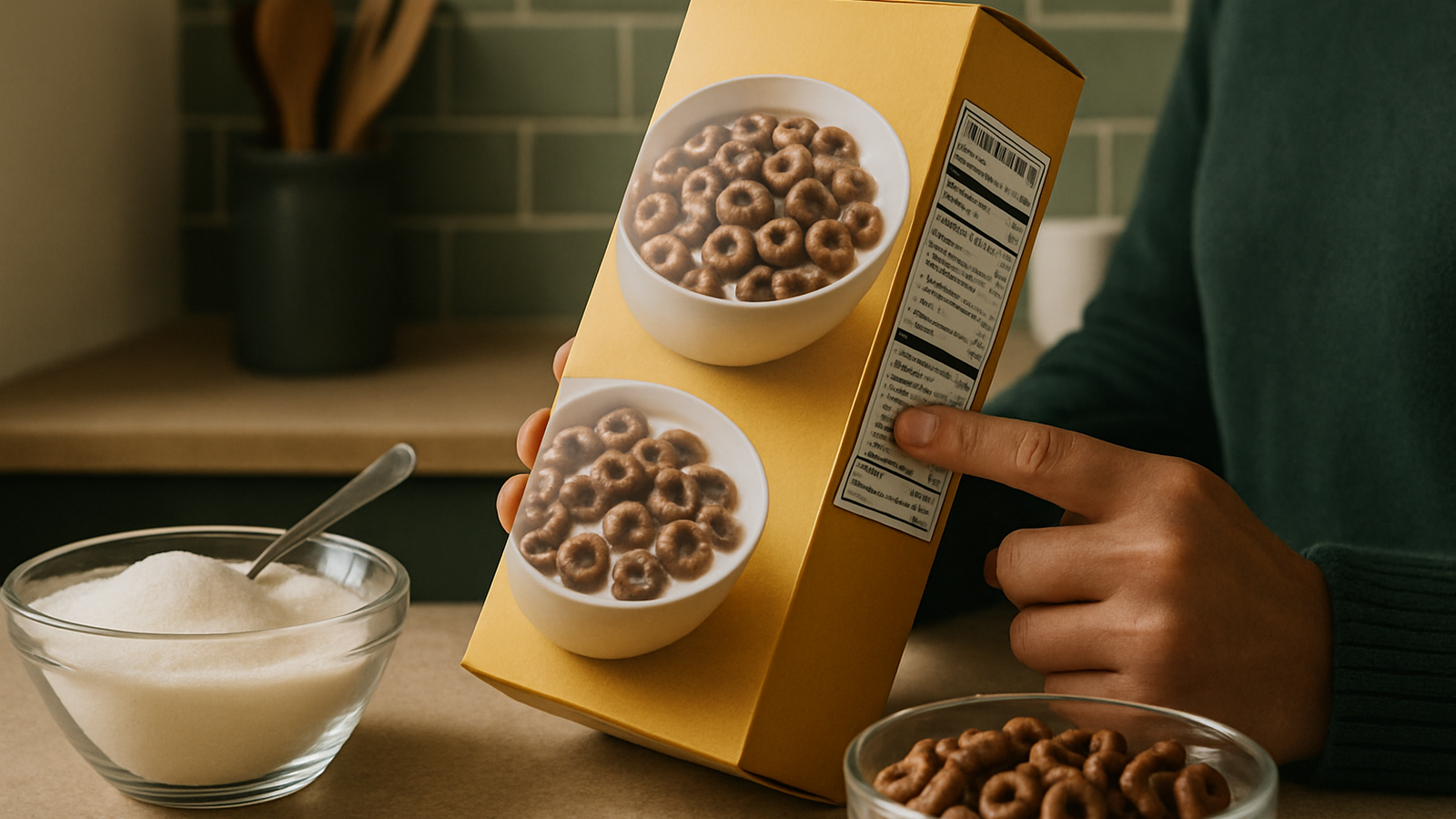
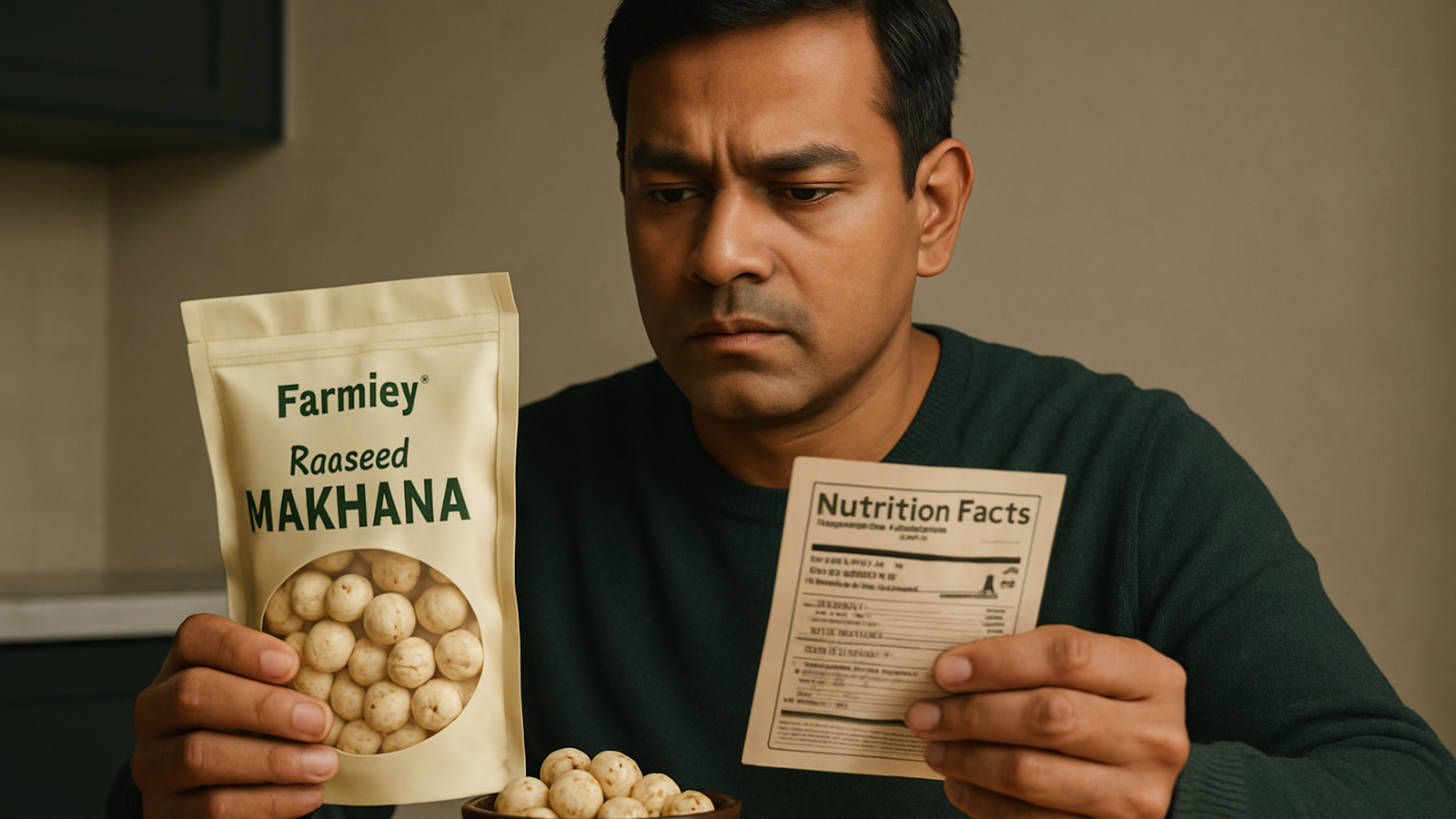
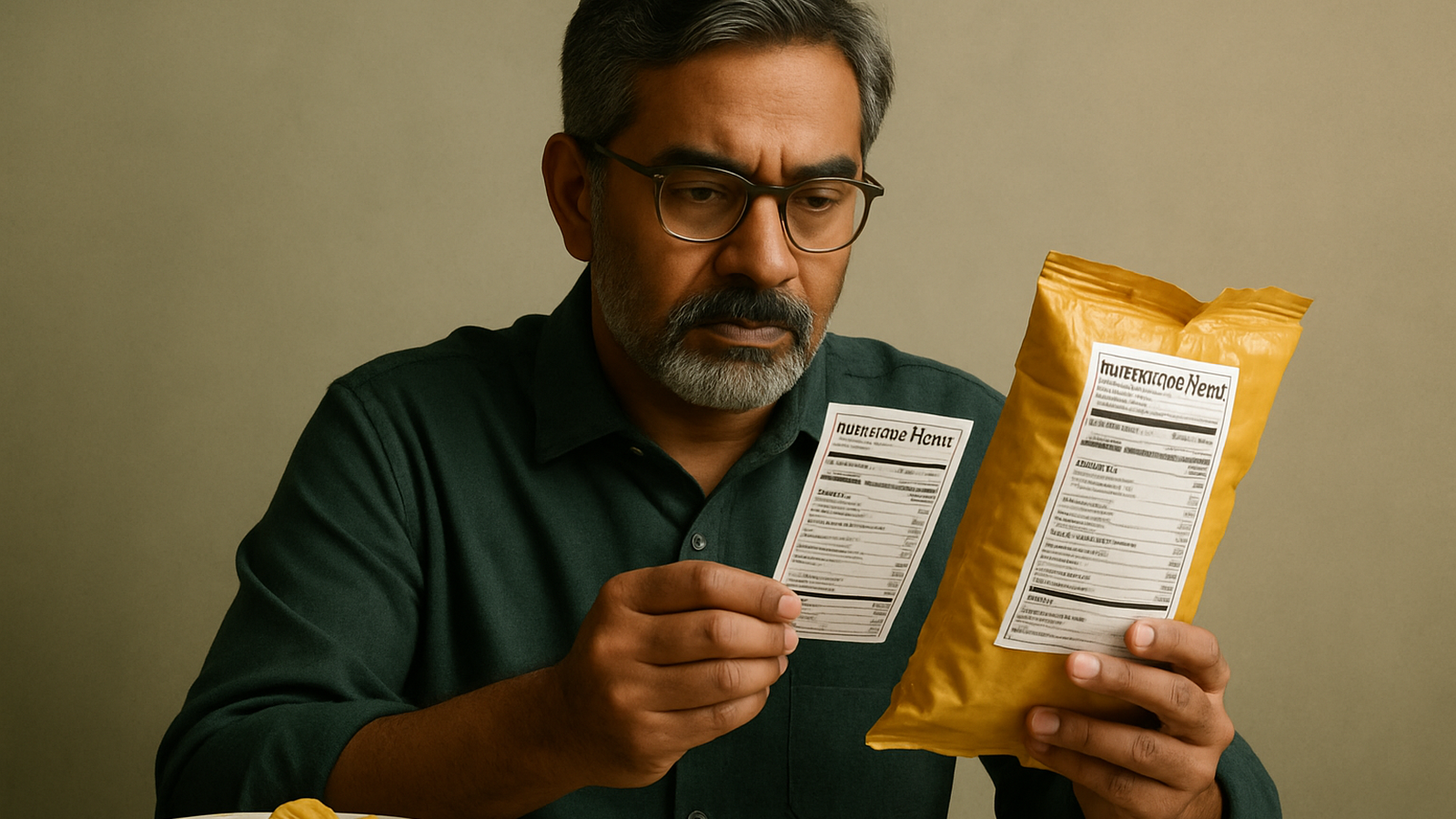
Protein appears on the nutrition panel of packaged foods in India, typically listed per 100 grams and sometimes per serving. Look for the line that says "Protein" under the macronutrient breakdown.
A rough threshold: foods with more than 10 grams of protein per 100 grams qualify as protein-rich for solid foods. Legumes like moong dal and chana dal, and peanuts, often meet or exceed this mark. Grains like whole wheat flour and oats usually fall below it.
To calculate protein per serving, find the serving size on the panel—often listed at the top as "Serving size: X grams." Multiply the protein per 100 grams by the serving size, then divide by 100. If a pack lists 15 grams of protein per 100 grams and the serving size is 50 grams, you get 7.5 grams of protein per serving.
This tells you what one meal or snack portion actually delivers, not what the whole pack contains.
Checking fiber—where it hides and what 'high-fiber' means
Fiber appears on nutrition panels under carbohydrates or as a separate line, often labeled "Dietary Fiber." Many packs do not declare fiber at all, especially for refined grains or processed snacks.
A threshold for high-fiber: foods with more than 6 grams of fiber per 100 grams are generally considered high-fiber sources. Whole grains like whole wheat flour and oats, and legumes like chana dal, meet this standard. Refined flours and polished grains rarely do.
If fiber is not declared on the pack you are holding, you cannot verify the claim. You can look for whole-grain versions of the same food, check a different brand, or search for fiber content in food composition databases maintained by nutrition research institutes.
When fiber is listed, apply the same per-serving calculation you used for protein. A food with 8 grams of fiber per 100 grams and a 40-gram serving size delivers 3.2 grams of fiber per serving.
Calculating price per serving—the only affordability check that matters
Price per pack tells you what you pay at checkout. Price per kilogram tells you density. Neither tells you what one portion costs.
To find price per serving, divide the total pack price by the number of servings in the pack. The number of servings appears on the nutrition panel, calculated by dividing the total pack weight by the serving size.
If a 500-gram pack of moong dal costs ₹60 and the serving size is 50 grams, the pack contains 10 servings. Divide ₹60 by 10 to get ₹6 per serving.
This reveals affordability better than price per pack or price per kilo because it matches how you actually eat. A large, cheap pack with tiny servings may cost more per meal than a smaller, pricier pack with generous servings.
Compare price per serving across brands, formats, and food categories. This is the only affordability check that reflects your plate.
What this list—and this label habit—will not solve
Five foods cannot comprehensively address the question of whether healthy eating is expensive. Affordability depends on household income, regional food prices, storage capacity, cooking time, taste preferences, and cultural food practices—none of which a generic list accounts for.
Protein and fiber are not the whole nutrition story. Vitamins, minerals, healthy fats, phytonutrients, and overall dietary variety matter. A food can be high in protein and fiber and still lack iron, calcium, or vitamin A. A food can be low in both and still provide essential nutrients you need.
You decide your own affordability threshold. What fits one household's budget may not fit another's. What one person considers "low-cost" may be out of reach for someone else, or wasteful for someone with different priorities.
No unnamed expert's authority is required. You control the verification by reading the panel, checking the price, and comparing it to what you already buy and eat.
If you're shopping this week—three checks before the cart
Before you add moong dal, chana dal, whole wheat flour, oats, peanuts, or any other food to your cart—whether it appears on a viral list or not—run three checks.
First, check protein per 100 grams or per serving on the nutrition panel. Decide whether the amount meets your household's needs for that meal or snack.
Second, check fiber per 100 grams if the pack declares it. If fiber is not listed, note that the claim cannot be verified from the label alone.
Third, calculate price per serving using the pack price and the number of servings per pack. Compare this to other foods that deliver similar protein and fiber.
This method applies to any food on any shelf. It works for the five foods mentioned in the Moneycontrol article, and it works for the fifty foods you walk past on the way to the register. The skill is portable, the data is public, and the decision is yours.
Protein and fiber per serving—what common budget foods actually deliver
Comparison basis: 50 g dry/uncooked weight
| Food (50 g serving) | Protein | Fiber | Price per serving | Label clue |
|---|---|---|---|---|
| Moong dal (split, dry) | ~12 g | ~4 g | ~₹6–8 | Check 'Protein' and 'Dietary Fiber' lines |
| Chana dal (split, dry) | ~11 g | ~8 g | ~₹7–10 | Fiber often >6 g per 100 g |
| Whole wheat flour (atta) | ~6 g | ~6 g | ~₹2–3 | Look for 'whole' on ingredient list |
| Rolled oats | ~7 g | ~5 g | ~₹5–7 | Check serving size—often 40–50 g |
| Peanuts (raw, shelled) | ~13 g | ~4 g | ~₹8–12 | Protein >10 g per 100 g qualifies as rich |
| Brown rice (uncooked) | ~4 g | ~2 g | ~₹4–6 | Lower in both—compare to dal or oats |
Values are approximate and vary by brand, variety, and region. Prices reflect typical retail ranges in urban India as of early 2025. Calculate your own price per serving by dividing pack price by number of servings on the label.


Comments
No login needed. Keep it kind — abusive language is filtered.