What the Bengaluru action disclosed—and what it left out
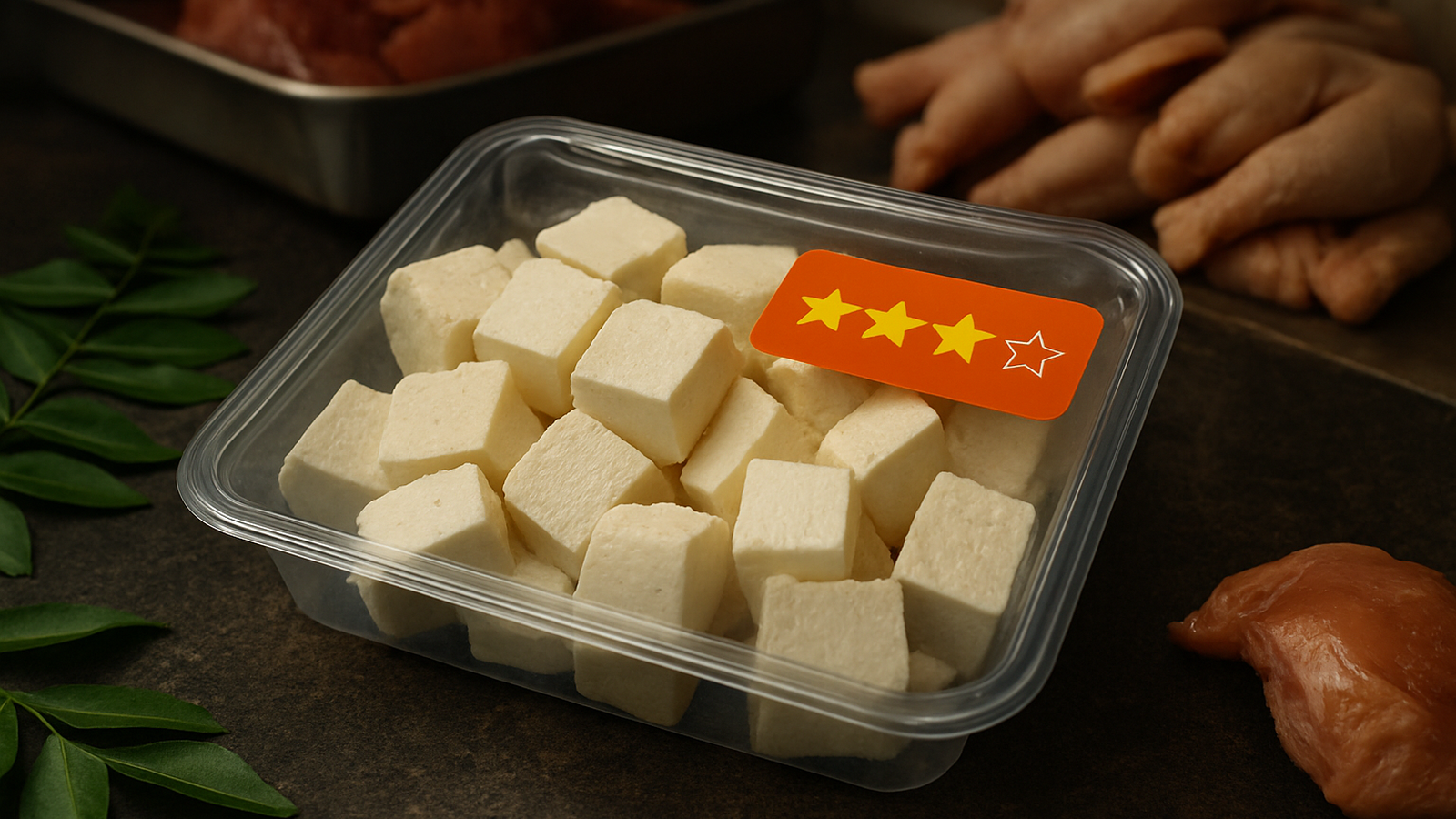
Food safety officials in Bengaluru seized over 500 kilograms of unsafe food from star-rated hotels during recent inspections. That's the headline. Here's what you won't find in the coverage: which hotels, what violations, or even what kind of food.
No property names were released. The specific health violations—bacterial contamination, expired goods, improper storage temperatures—were not detailed. The types of food seized—meat, dairy, produce—were not identified. You have a quantity, a city, and a property category. Nothing that tells you where not to eat, what went wrong, or whether the problem has been corrected.
This is one enforcement event in one city. It does not establish a pattern of systemic failure across star hotels in India or anywhere else. A separate action reported by Kashmir Life resulted in the seizure and destruction of 6,500 kilograms of unsafe meat and fish ahead of Ramadan, but that incident occurred in a different region and context. Single seizures happen. They do not constitute a trend.
Why star ratings and certifications won't catch every kitchen lapse
A star rating tells you about thread count, lobby size, room service hours, and amenity quality. It does not tell you whether tonight's chicken was stored at four degrees Celsius or fourteen, whether the cook washed hands after handling raw seafood, or whether the walk-in cooler passed its last inspection.
Star classifications are hospitality standards. Food safety enforcement checks storage temperatures, expiration dates, pest control records, and handler hygiene. These are separate systems, administered by separate authorities, measured on separate schedules. A hotel can hold five stars and fail a food safety inspection on the same day.
Food Safety and Standards Authority of India licenses require periodic renewal, but inspections are often event-driven—triggered by complaints, random audits, or seasonal campaigns. Certification at one point in time does not guarantee daily adherence in the kitchen. Enforcement actions can occur at any property, regardless of rating, because the systems that award stars and the systems that monitor food safety do not continuously overlap.
The visible checks you can perform before booking or ordering
You cannot wait for enforcement data to reach you. By the time a seizure makes the news, you may have already eaten. Here is what you can verify yourself, right now, before you sit down or place an order.
Look for the FSSAI license displayed at the entrance or ordering counter. Note the certificate date if a hygiene rating is posted. If the kitchen or service area is visible—through a window, an open layout, or a tour—assess cleanliness. Watch whether food handlers wear gloves or practice visible hand hygiene between tasks.
If cold displays are in view, check whether chilled items appear properly refrigerated—condensation on glass, no pooling liquid, no room-temperature seafood or dairy. Survey the dining area for odor, adequate lighting, and general sanitation. Clean tables and floors are baseline markers; their absence is a signal to leave.
If house policy permits, ask to see the kitchen. Many establishments welcome the request. If the answer is no, or if the license is missing, or if any hygiene marker fails your threshold, walk away. You are not obligated to eat there.
What this single seizure does not tell you
This event does not prove that star hotels in Bengaluru, or anywhere else, are systematically unsafe. It does not confirm that anyone became ill or was harmed by the seized food. It provides no basis to conclude that other star-rated properties are unsafe, or that unrated establishments are safer by comparison.
The absence of hotel names means you have no usable avoidance list. The lack of violation details means you cannot assess whether the problem was minor—mislabeling, paperwork lapse—or severe. The absence of follow-up reporting means you do not know what corrective action was required, whether it was completed, or whether the properties involved are back in operation.
No enforcement action, reported in isolation, dictates the safety of an entire sector or geography. You are left, as always, to verify for yourself.
If you're eating out this week—license, hygiene, and your own threshold
Before you order, verify the FSSAI license number and check its validity if you have connectivity. Trust what you can see—visible hygiene markers, handler practices, cleanliness—over star count or online ratings. If policy allows, ask to see the kitchen. If the license is absent, if hygiene markers fail, if anything raises concern, leave.
Your threshold for risk is yours to set. Some diners will accept a missing certificate if the kitchen looks immaculate. Others will not. Neither choice is wrong. The point is to make the choice deliberately, based on what you observe, not on what a rating or a single news report implies.
Enforcement data will not always reach you in time. The checks you perform at the door will.
What you can check before eating out—visible hygiene markers
Comparison basis: Visual inspection at point of service
| Check point | What to look for | Red flag to walk away |
|---|---|---|
| FSSAI license display | Current certificate visible at entrance or counter | No license displayed or expired date |
| Cold food storage | Condensation on display glass, no pooling liquid | Room-temperature seafood, dairy, or meat |
| Food handler hygiene | Gloves worn, hand washing between tasks | Bare hands after touching raw food or phone |
| Kitchen visibility | Open layout or tour allowed, clean surfaces | Request refused or strong reluctance |
| Dining area sanitation | Clean tables, adequate lighting, no odor | Sticky surfaces, poor lighting, unpleasant smell |
| Service counter cleanliness | Organized prep area, covered food | Uncovered food, visible pests, clutter |
These are baseline markers you can verify before ordering. Absence of any red flag does not guarantee zero risk, but presence of multiple red flags is reason to leave.




Comments
No login needed. Keep it kind — abusive language is filtered.