The recall exists—the product identifiers do not
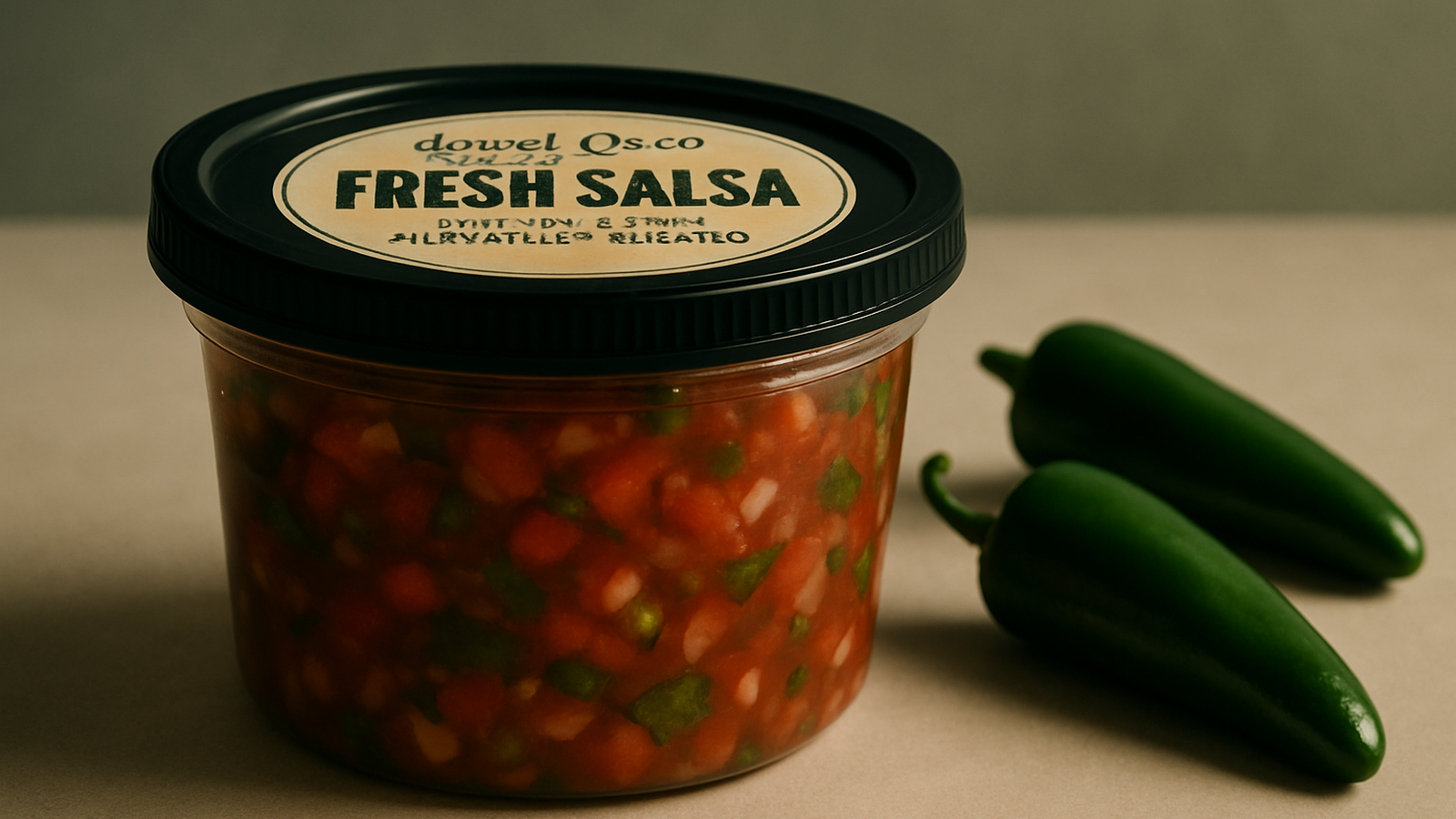
Jewel-Osco is recalling fresh salsa products containing jalapenos due to salmonella concerns, but the grocery chain has not yet published the brand names, batch numbers, or date codes that households need to determine whether a container in the refrigerator is part of the action.
The recall was confirmed, but without product identifiers, shoppers cannot self-screen. You know the category—fresh salsa with jalapenos sold at Jewel-Osco—but not which pack, which brand, or which purchase date falls within scope. That gap leaves families waiting for detail before they can act with certainty.
What 'fresh salsa with jalapenos' could mean in your refrigerator
The recall applies to fresh salsa, the kind sold refrigerated in plastic tubs or containers, not shelf-stable jarred salsa that sits on ambient shelves. If the ingredient list includes jalapenos and the product was purchased at a Jewel-Osco store, it falls into the potential risk category.
Fresh salsa differs from jarred or canned varieties because it is not heat-treated during production. That means any contamination present on raw ingredients—peppers, tomatoes, onions—remains in the finished product. The geographic scope of the recall has not been defined beyond Jewel-Osco stores, so it is unclear whether all locations or only certain regions are involved.
If you have a refrigerated salsa container with jalapenos listed as an ingredient and a Jewel-Osco receipt or label, treat it as potentially affected until the chain releases further detail.
Why salmonella in fresh produce is a regulatory event—not a kitchen mistake
Salmonella contamination in fresh vegetables is a supply-chain issue, not something that happens in home kitchens. The bacteria can enter the food system through contaminated irrigation water, soil, or processing equipment, and because fresh salsa is not cooked or pasteurized, any contamination that occurs upstream persists when the product reaches your table.
Salmonella infection typically causes diarrhea, fever, and abdominal cramps within six to 72 hours of exposure. Most people recover without treatment, but young children, older adults, and individuals with weakened immune systems face higher risk of severe illness. Recalls often happen before confirmed illnesses are reported, as a precautionary measure when contamination is detected in testing or traced through supply-chain investigation.
Fresh salsa amplifies exposure because it is consumed raw and often in significant quantities. A single contaminated jalapeno in a batch can distribute the bacteria throughout the entire container.
What you can do now—and what requires waiting
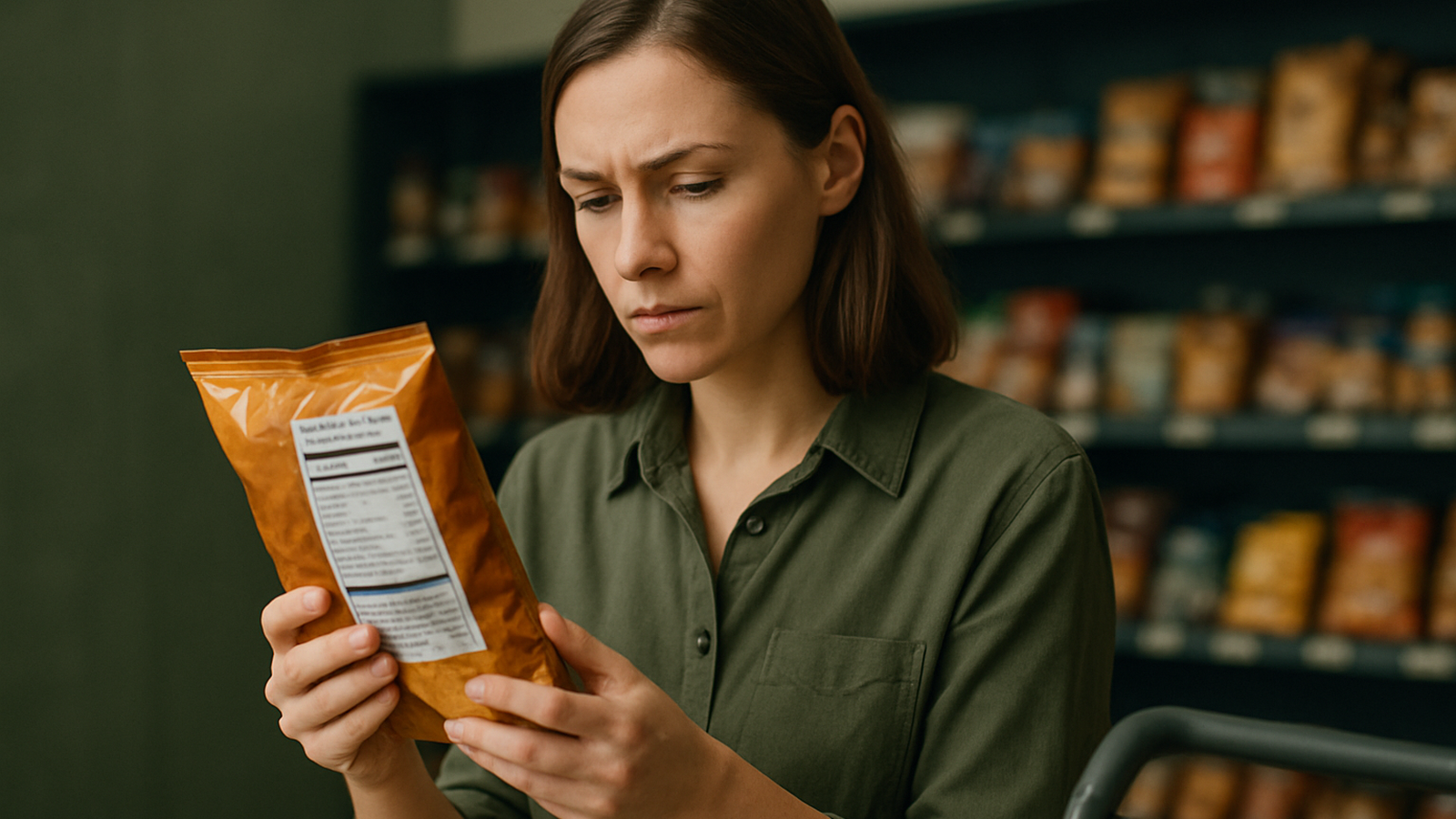
Check the Jewel-Osco website and look for notices posted in stores for updates on affected brands, UPC codes, and date codes. If you purchased fresh salsa containing jalapenos from Jewel-Osco recently and are uncertain whether it is part of the recall, contact the store's customer service line for guidance.
Do not consume the product if you are unsure. Discard it or return it to the store. Do not attempt to guess which brands might be involved or assume that absence of symptoms means the product is safe—salmonella contamination is invisible and odorless.
Watch for forthcoming announcements that include specific product identifiers: brand names, batch or lot numbers, sell-by or use-by dates, and store locations where affected products were sold. Those details will allow you to match a container in your possession against the recall list with certainty.
Do not rely on visual inspection or taste. Salmonella does not alter the appearance, smell, or flavor of food.
What this recall notice does not yet tell you
The current recall confirmation leaves several critical evidence gaps. Specific brands affected have not been named. Batch numbers and production date codes have not been published. The recall notice does not specify which Jewel-Osco store locations sold the affected products, nor does it clarify whether the recall applies to all stores in the chain's footprint or only certain states or regions.
It is also unclear whether any confirmed illnesses have been linked to the recalled salsa or whether the action is purely precautionary based on testing or supplier alerts. The size and scope of the salmonella outbreak beyond this recall have not been established.
Until those details are released, households must operate with incomplete information. The recall is real, the risk is credible, and the category is defined—but the tools required to identify a specific container are not yet in hand. Check back for updates, stay alert for official announcements, and when in doubt, discard or return the product.
Fresh vs. shelf-stable salsa: contamination risk differences
Comparison basis: Product category comparison
| Product type | Heat treatment | Salmonella risk if contaminated | Storage location | Recall frequency |
|---|---|---|---|---|
| Fresh salsa (refrigerated tub) | None | High—bacteria persist from raw ingredients | Refrigerator section | More common |
| Jarred salsa (shelf-stable) | Pasteurized or heat-processed | Low—heat kills bacteria during production | Ambient shelf | Less common |
| Canned salsa | Commercially sterilized | Very low—high-heat canning destroys pathogens | Ambient shelf | Rare |
| Restaurant-made fresh salsa | None | High—depends on ingredient handling and equipment sanitation | Refrigerated at restaurant | Not subject to retail recall |
| Frozen salsa | None (freezing preserves, does not kill) | Moderate—bacteria survive freezing | Freezer section | Uncommon |
Risk levels assume contamination has occurred. Fresh products rely entirely on ingredient safety and sanitation, while heat-treated products have a processing kill step that reduces pathogen survival.




Comments
No login needed. Keep it kind — abusive language is filtered.